1. Why is sheep’s wool hardly used at all in Germany anymore?
There are millions of sheep in Germany, but what happens to their wool? It often ends up in the bin or as garden fertiliser. The reason: there are hardly any wool-washing facilities, spinning mills or finishing plants left that turn raw wool into a high-quality end product. Yet wool is a brilliant natural material – temperature-regulating, durable and robust. The wool from the Bavarian Stone Sheep, in particular, is something special: long-fibred, weather-resistant and rustic. But is it economically viable? Unfortunately, it’s not very attractive – not yet 😉

2. The Steinschäfer’s wool collection in Bavaria
It was through the wool market in Vaterstetten that Doghammer founder Maximilian met sheep farmers Gisela and Bernhard – two truly passionate shepherds from Berchtesgaden. The couple were faced with a problem: year after year, they were left with surplus Steinschaf wool. So the idea sprang to mind: to create their own loden fabric from regional wool – for our Doghammer shoes.
In May 2025, Maximilian was invited to take part in the major wool collection organised by Bavaria’s Steinschaf breeders. Over 600 kilos of raw wool in various natural shades were gathered – packed into five huge big bags. But where to put it all?

3. Who actually washes woollen items these days?
The sobering answer: hardly anyone. In Germany? Not a chance. In Austria? Just a handful. In Europe? You can count them on one hand. And not every wool-washing service was able to wash the wool to the standard required for our loden.
Eventually, we found what we were looking for in Belgium. The transport? A logistical challenge – five huge, ‘sheep-filled’ big packs set off on their journey. Eight weeks later, the first sample came back: clean, soft, perfect. The lanolin content had dropped from 35 per cent to just a few per cent – a sign of clean, well-prepared wool.

4. Spinning, blending & weaving – turning wool into loden
The washed wool was sent on to northern Bavaria – to the spinning mill. But there was a problem: the hair of the Steinschaf sheep was too long and too coarse. To produce a fine loden, it first had to be cut by a specialist firm.
The Steinschaf wool was then blended with other Alpine wool varieties – finer, softer and easier to spin. The blend produced a robust yet wearable yarn, which was eventually woven into a dense loden fabric at a traditional weaving mill. After the final finishing process, we finally held the finished fabric in our hands at the end of 2025: our genuine Steinschaf loden.

5. So what now? Shoes with a story!
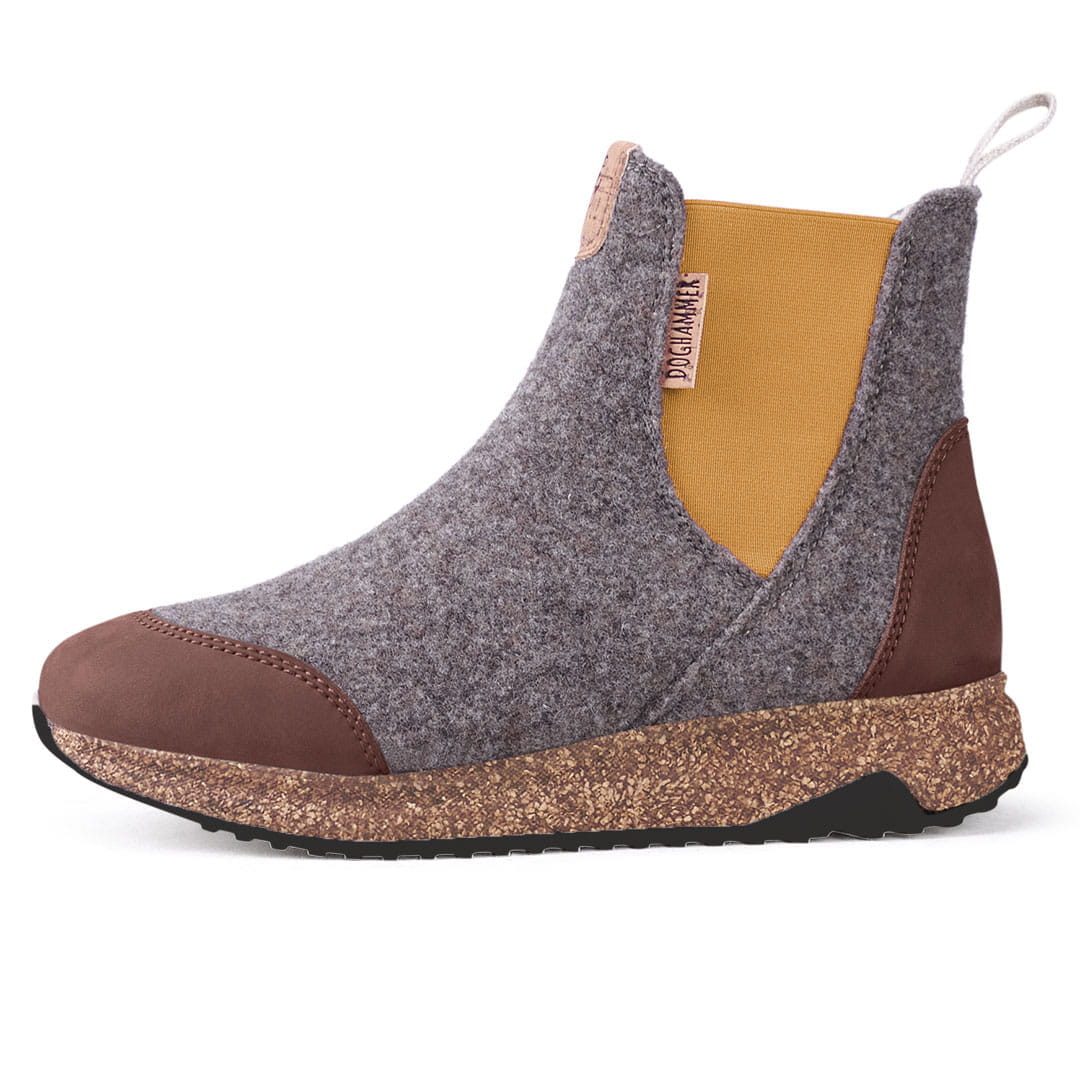
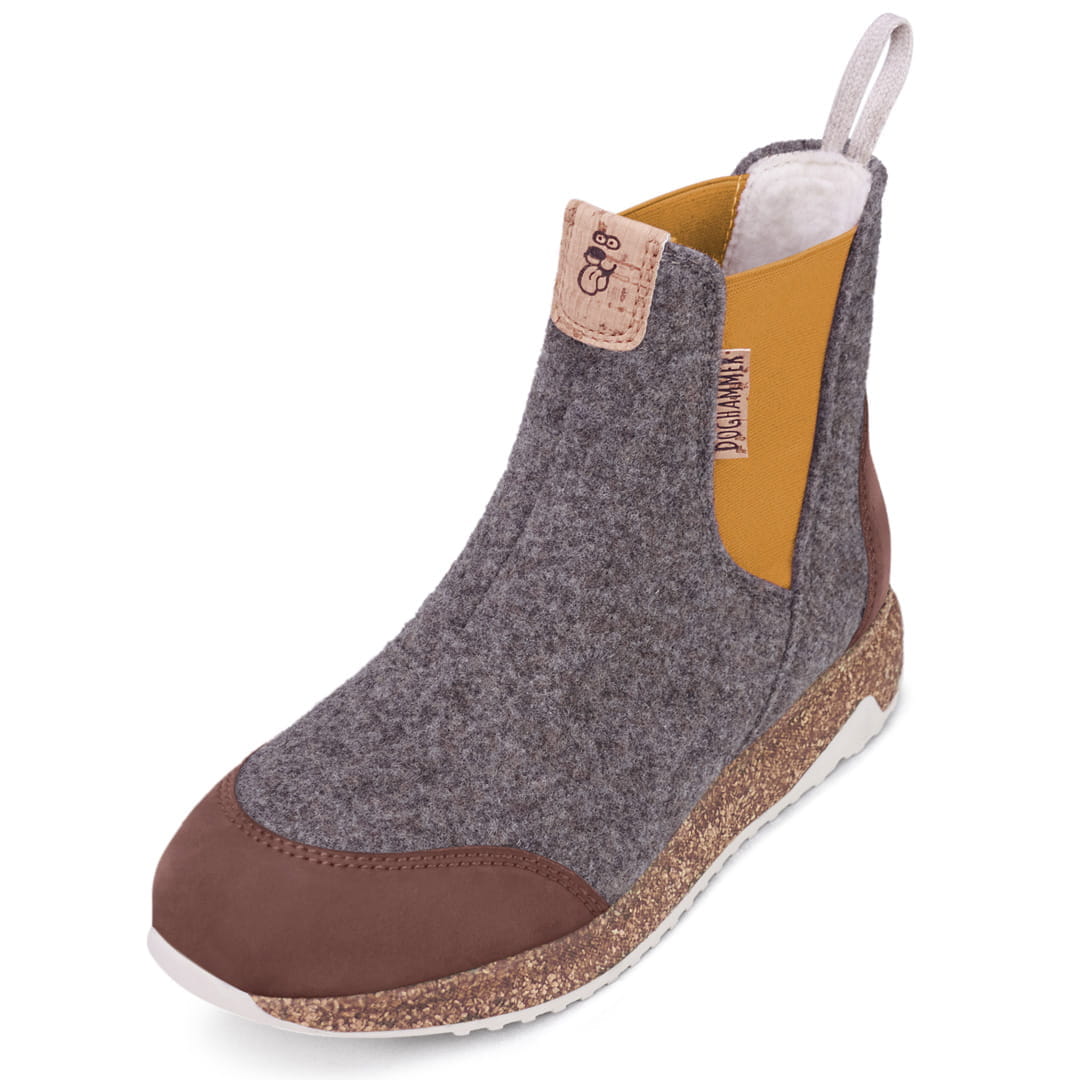
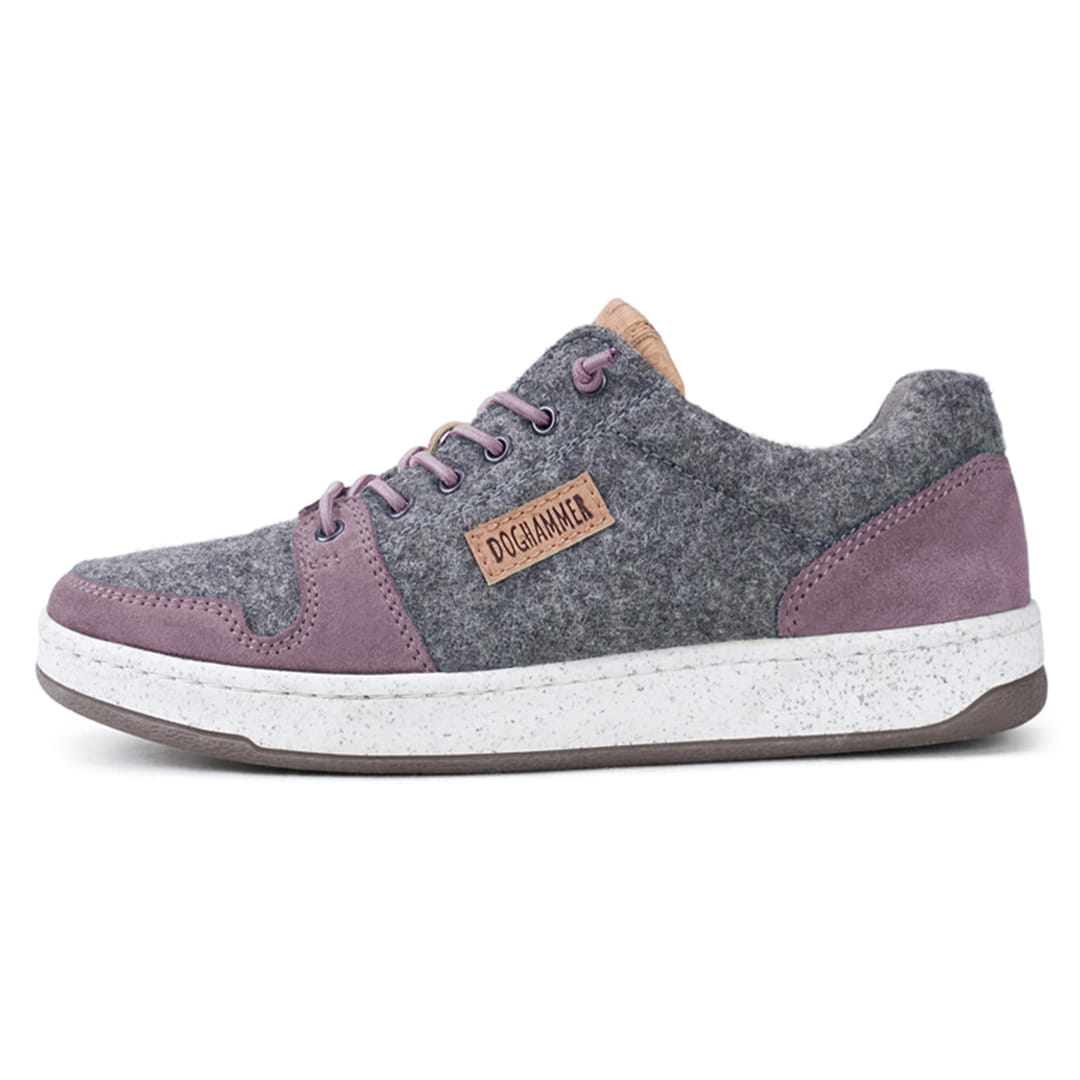
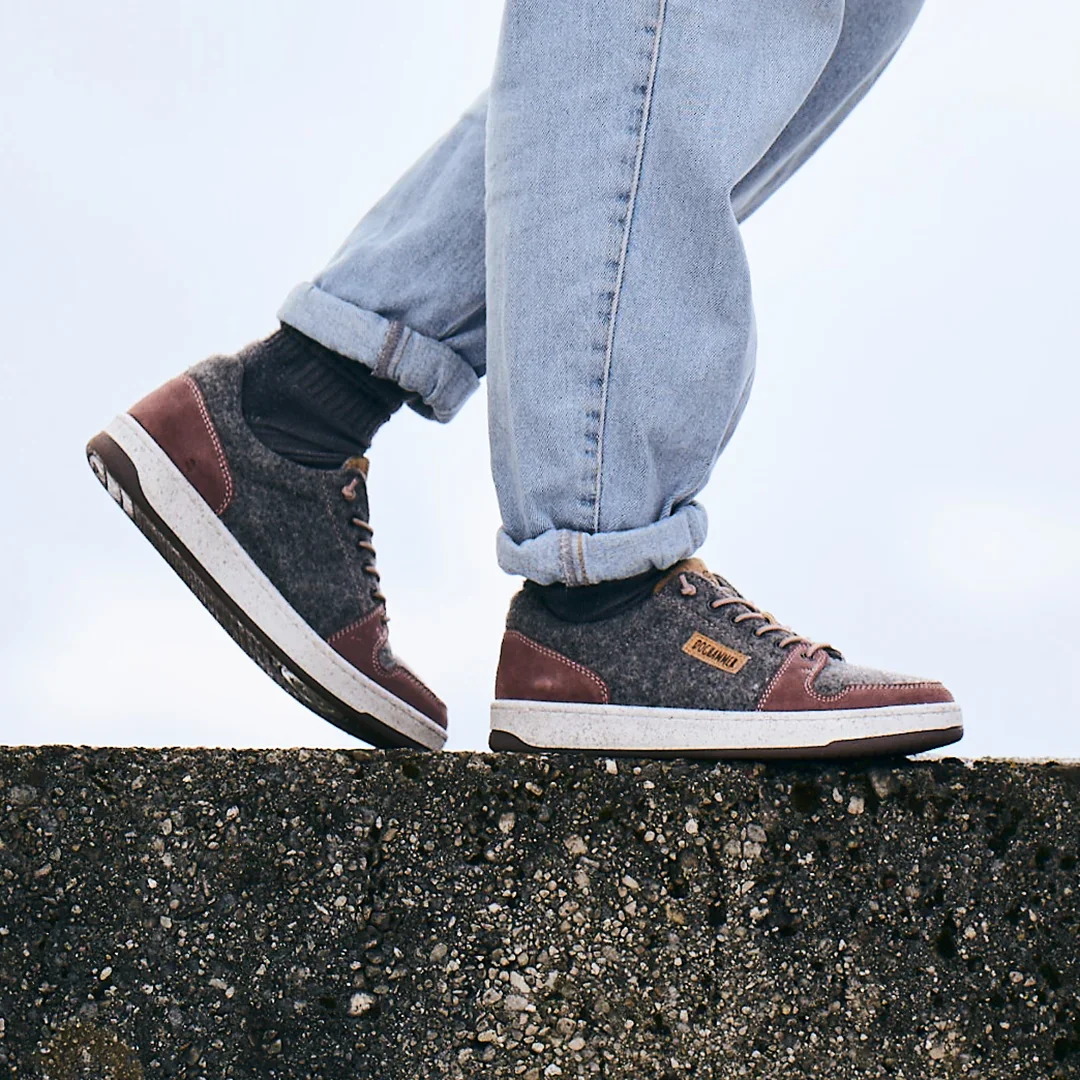
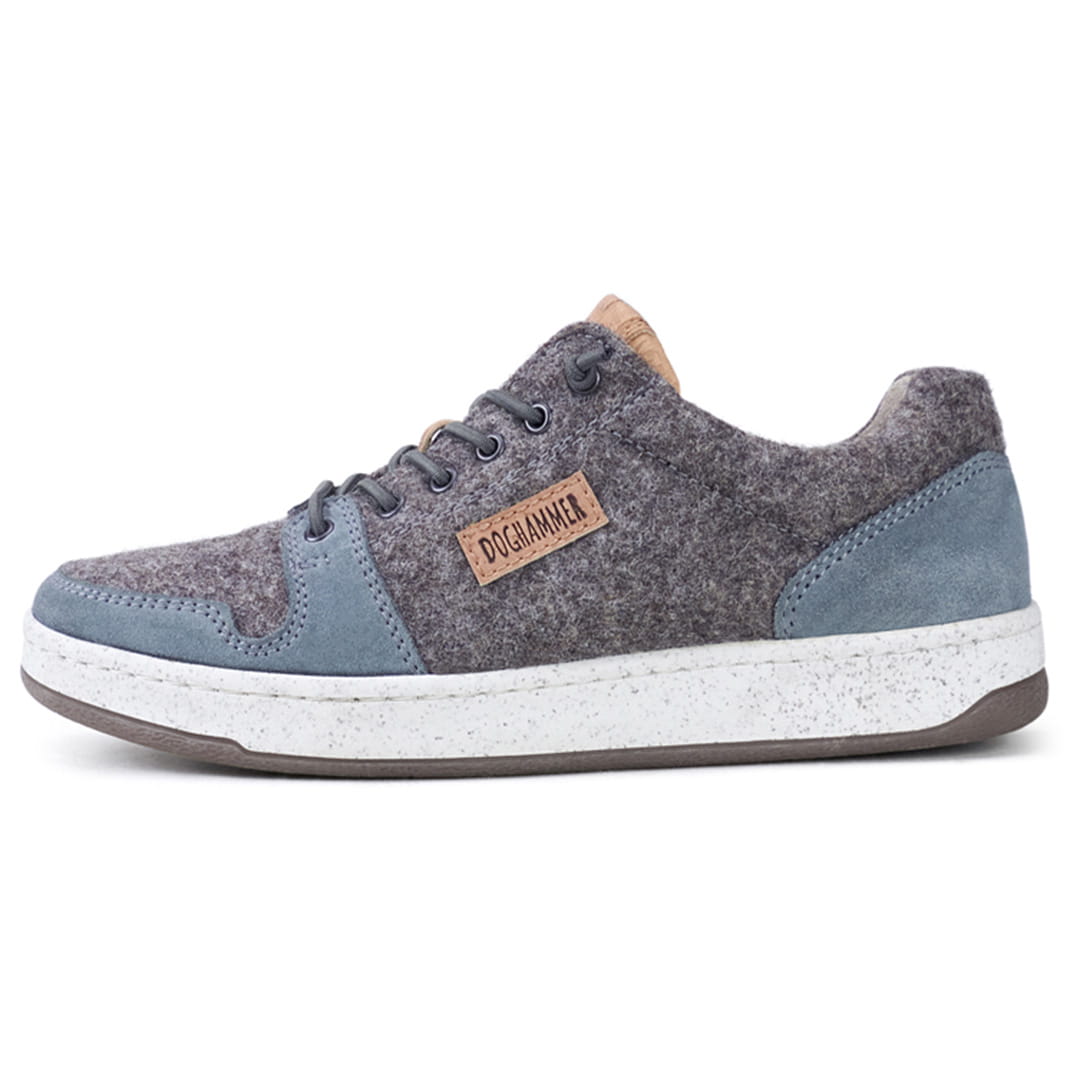
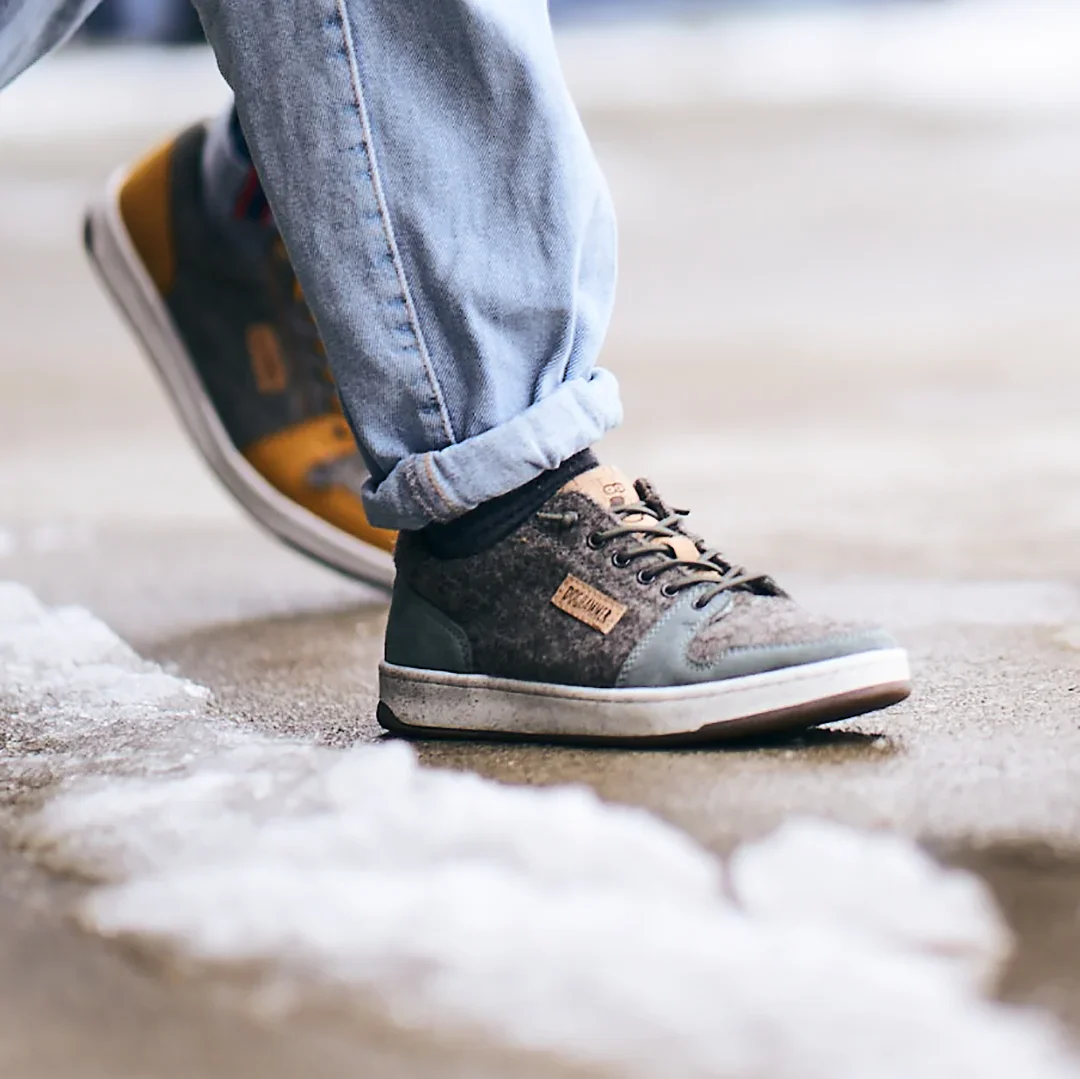
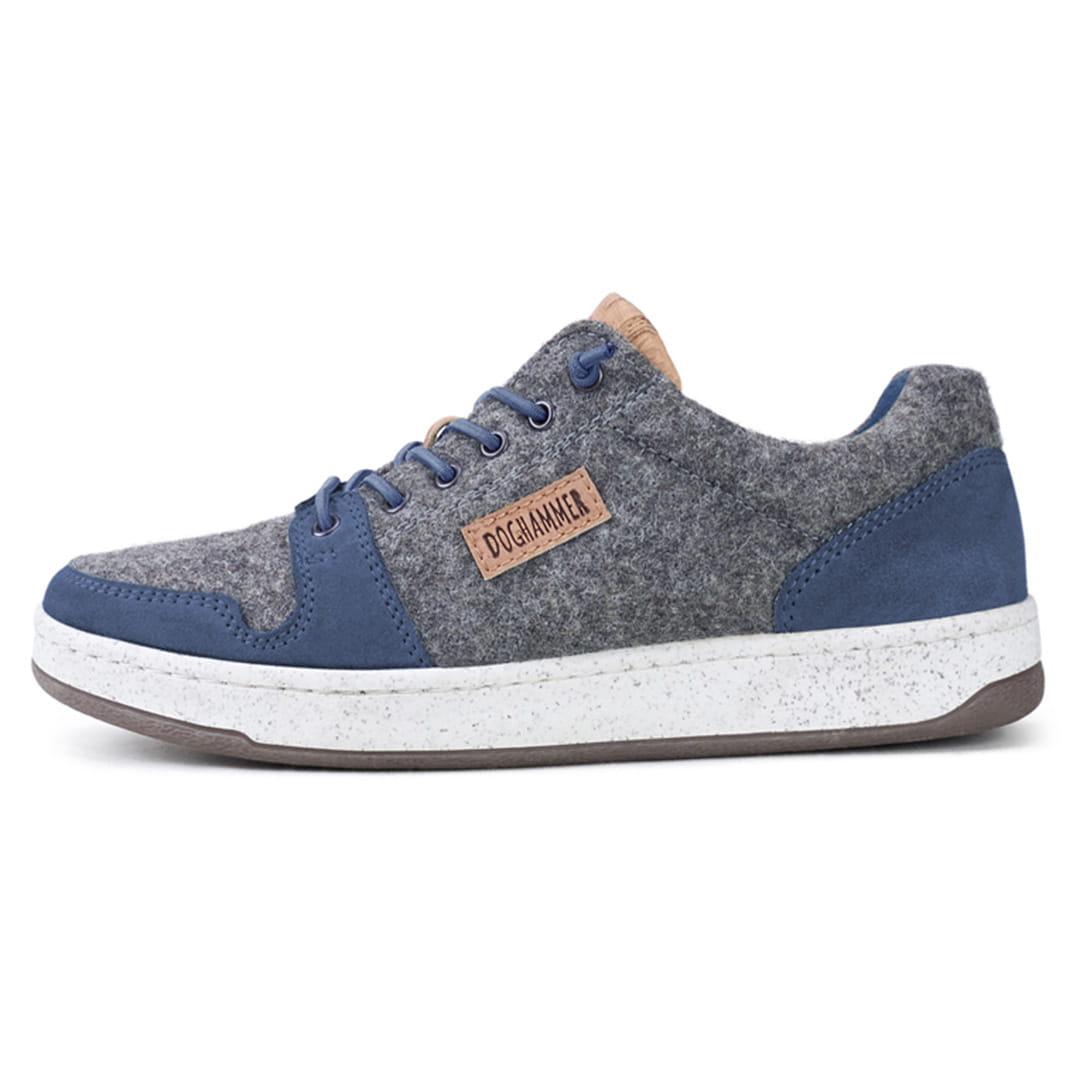
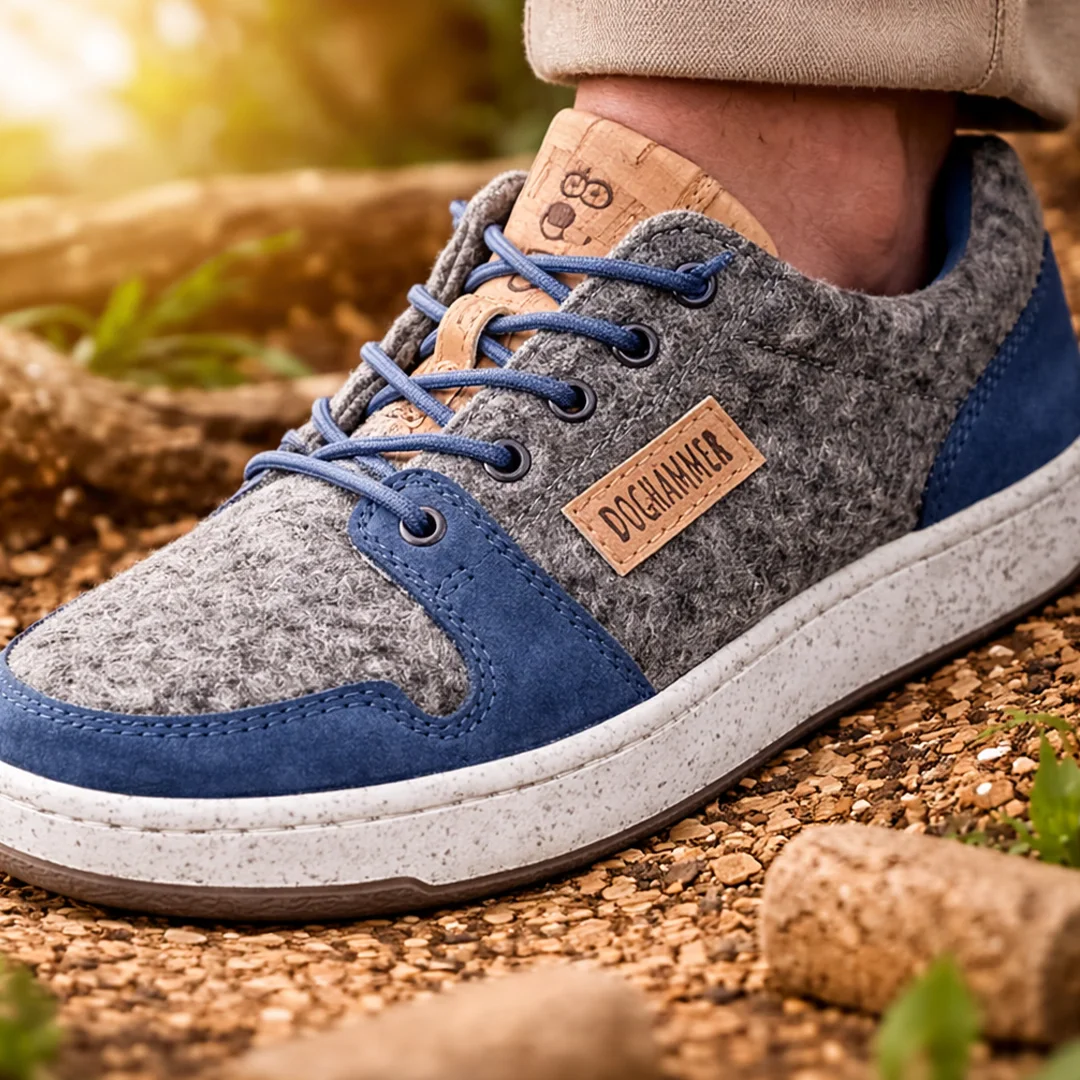
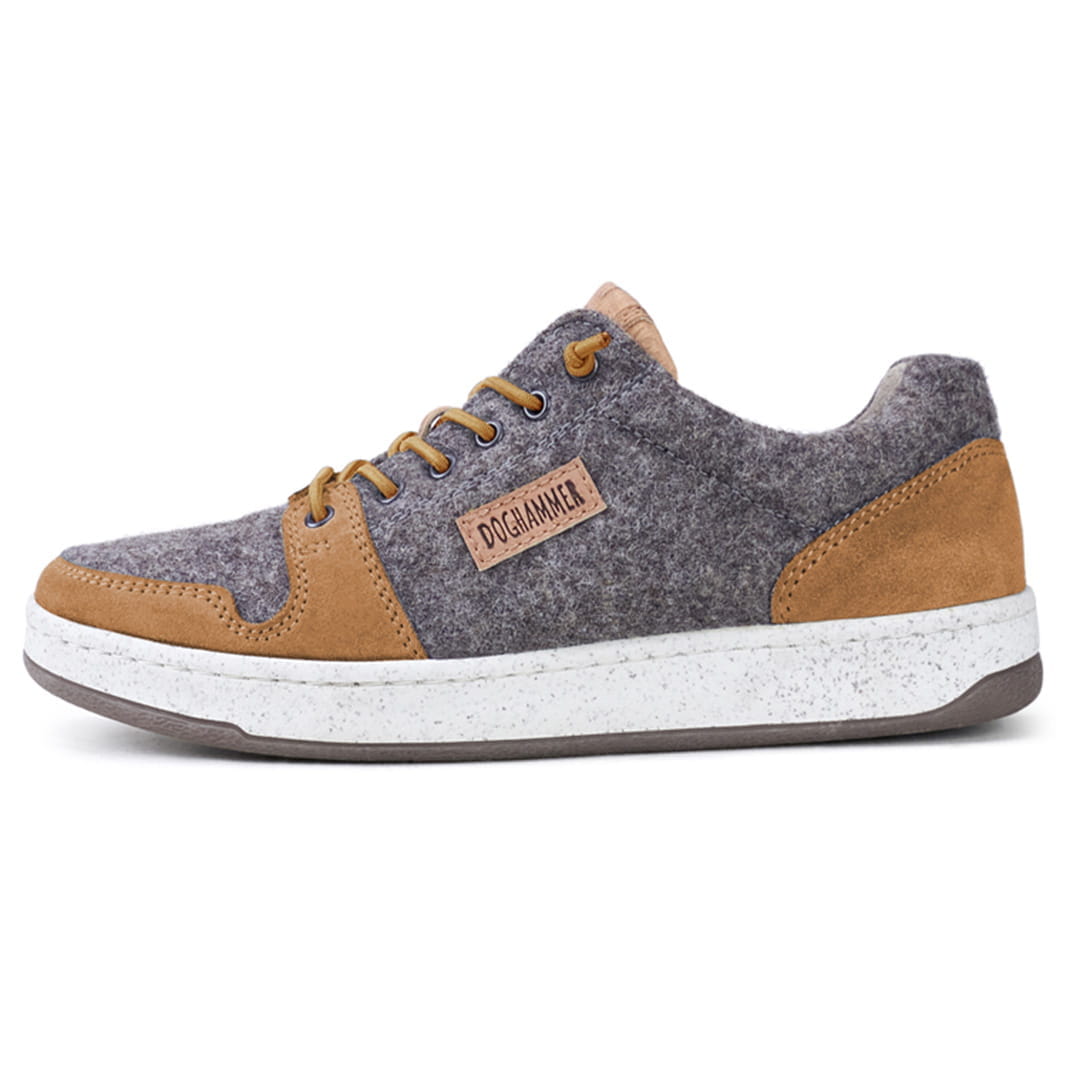
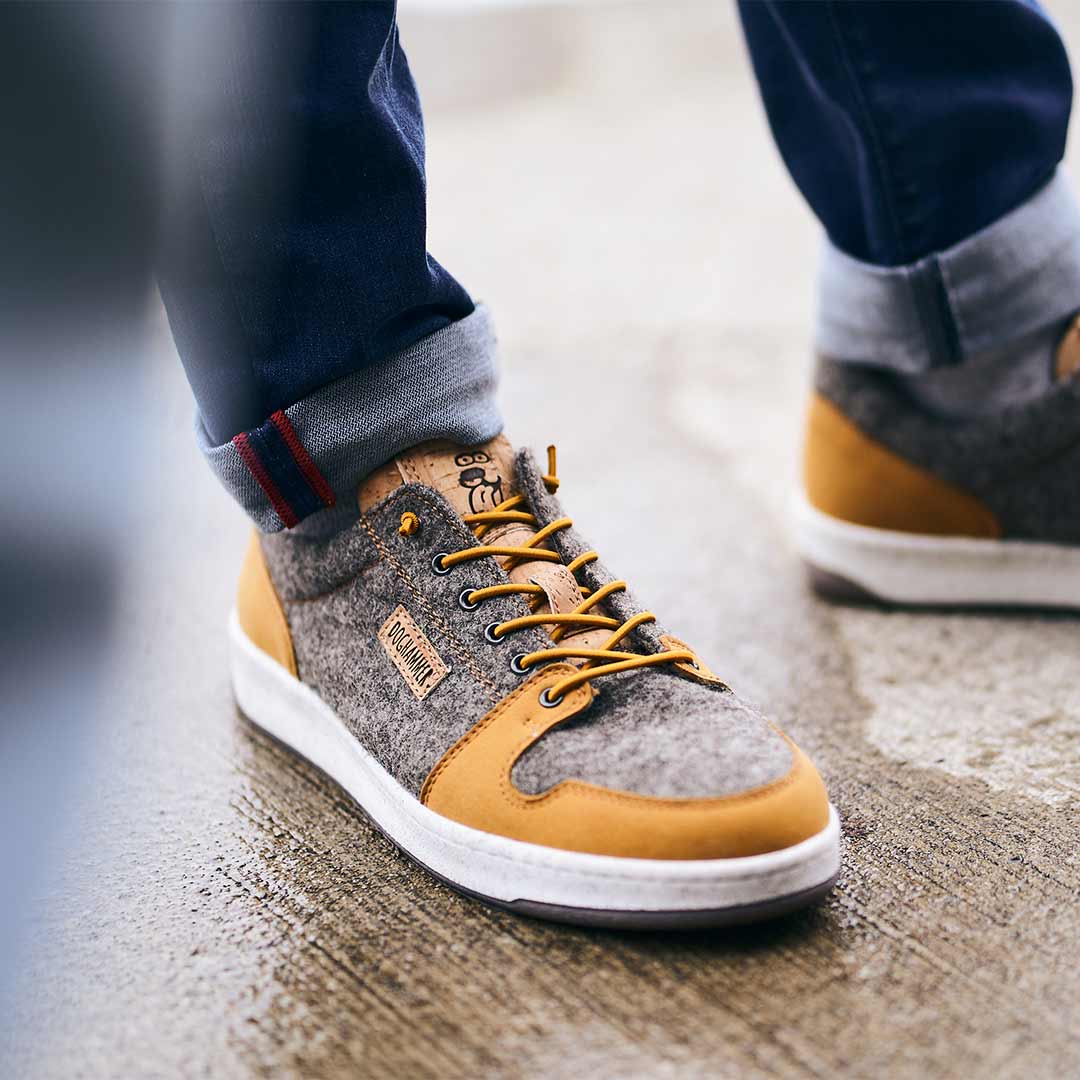
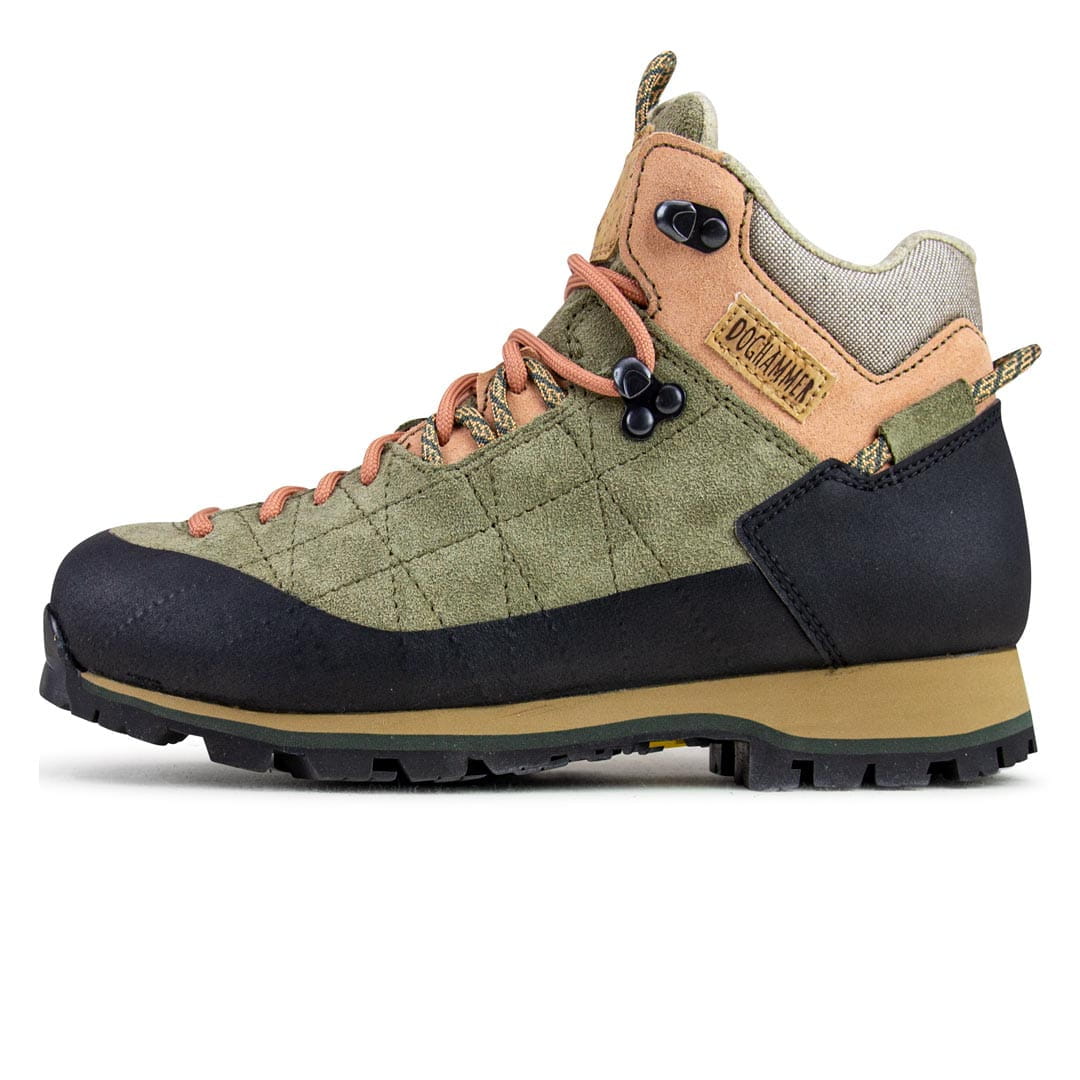
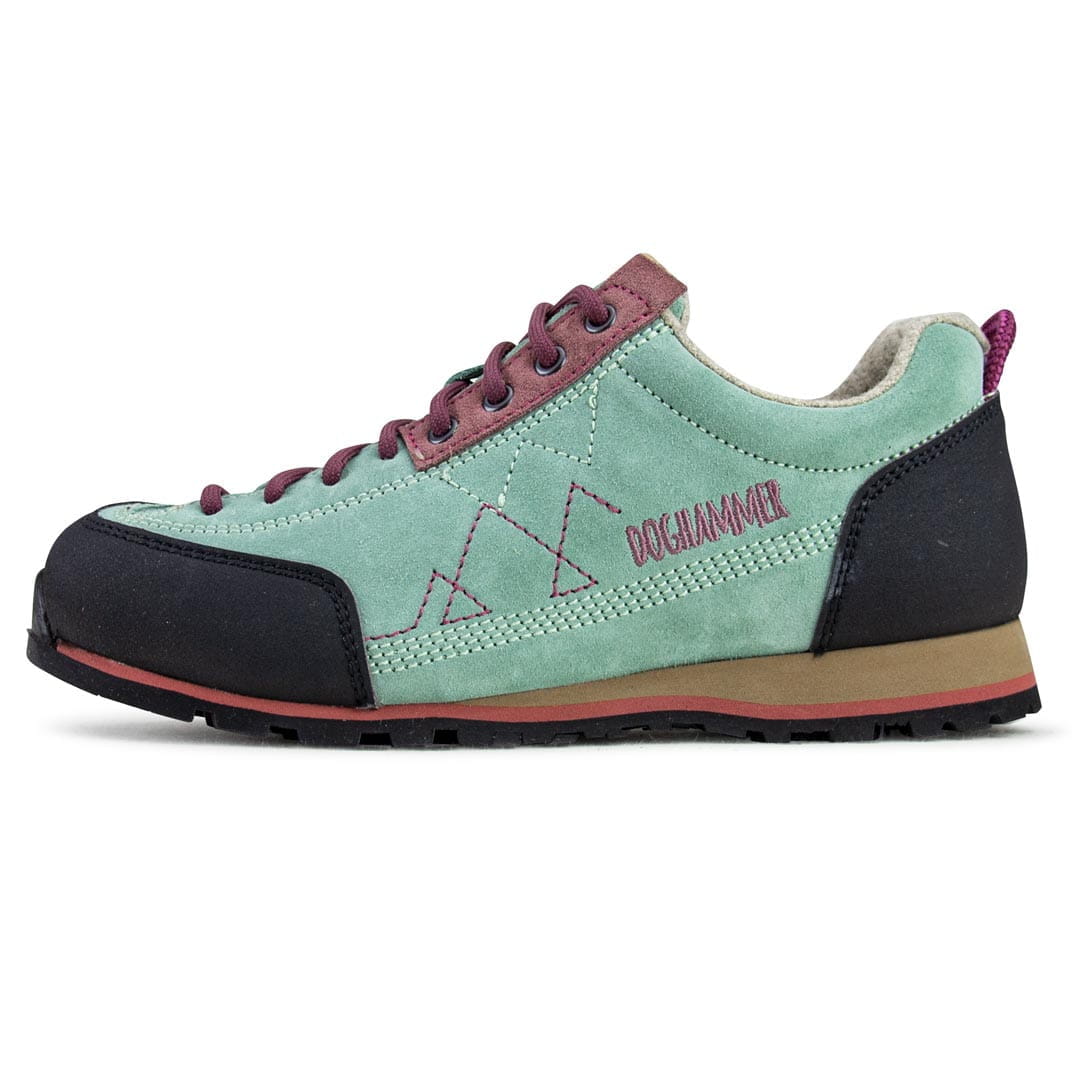
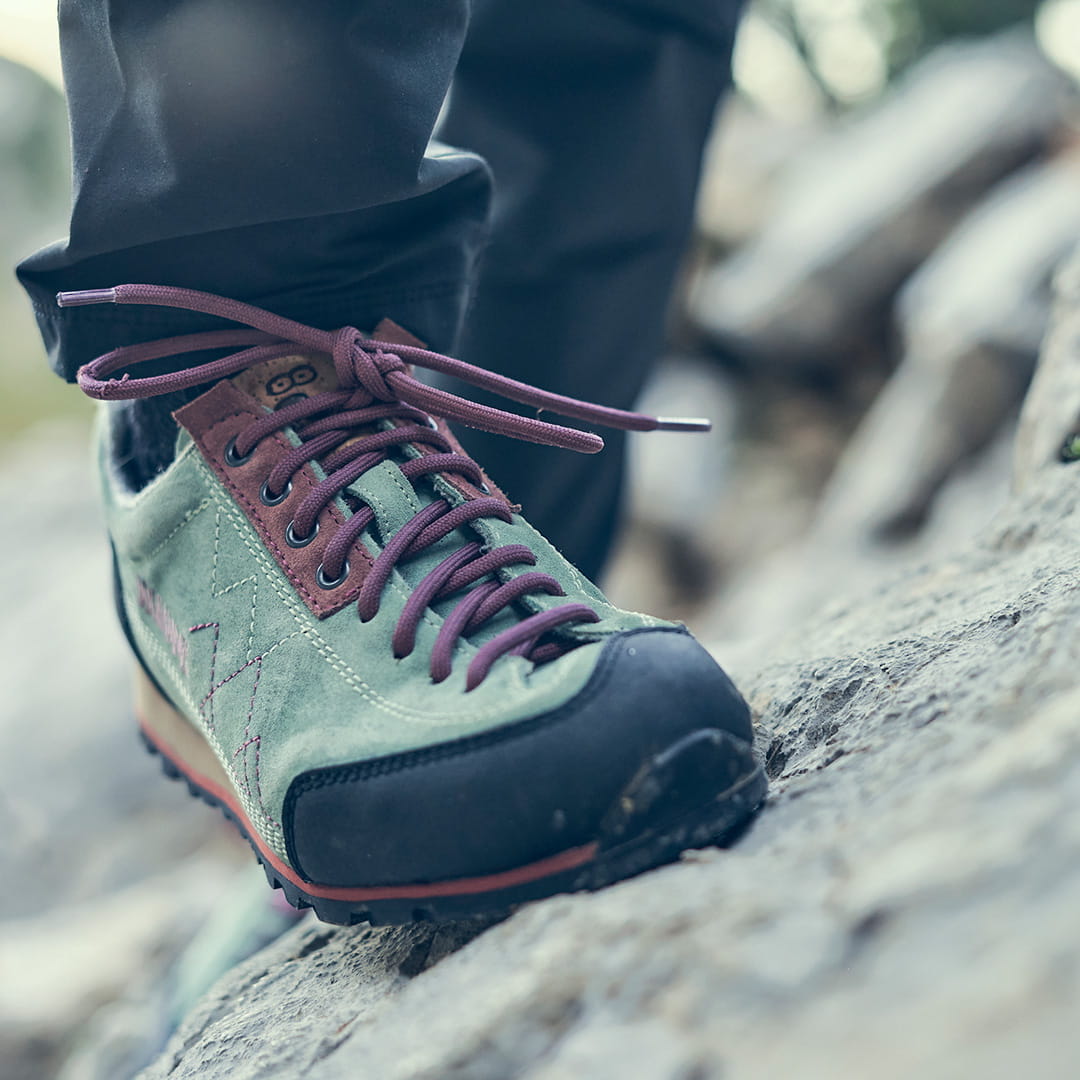
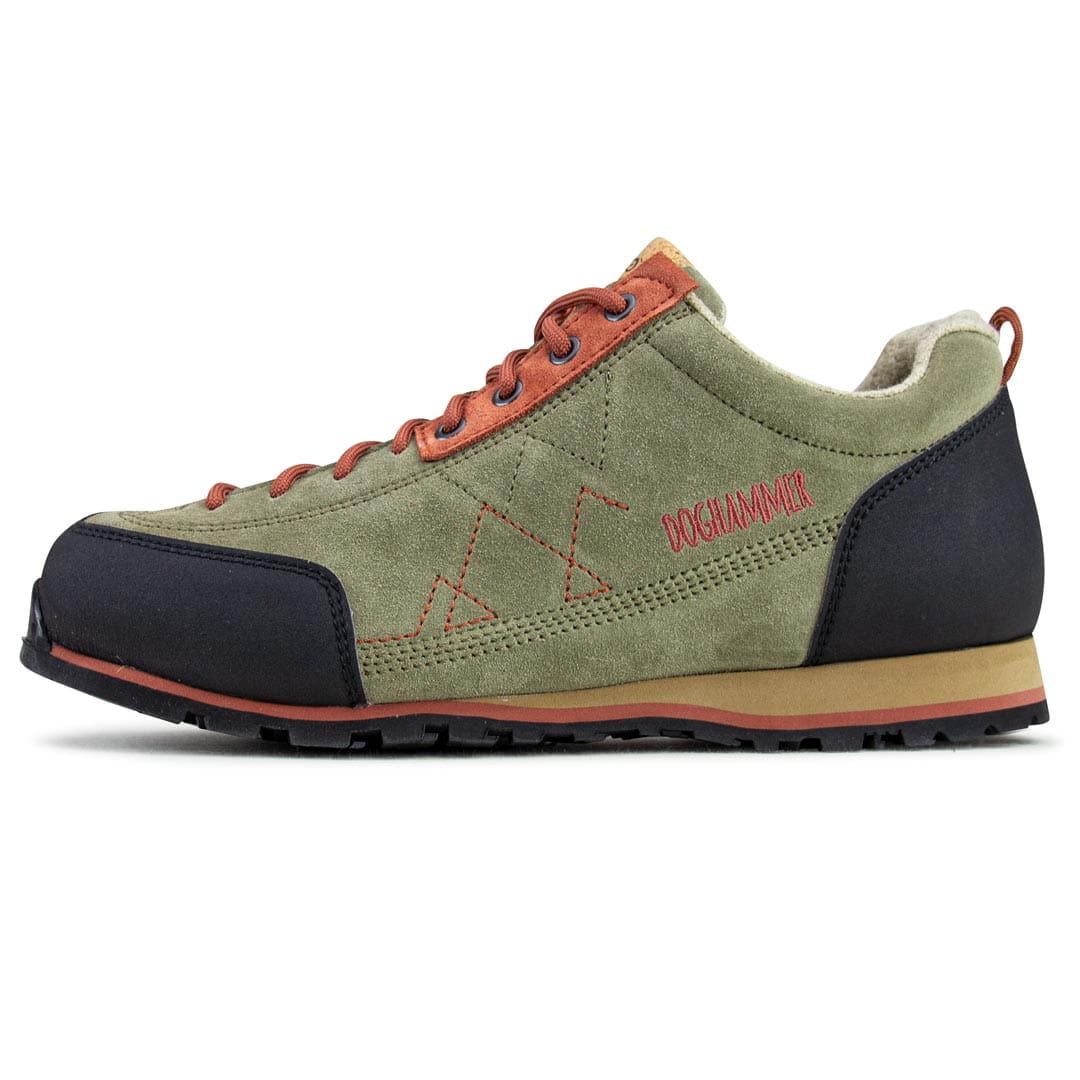
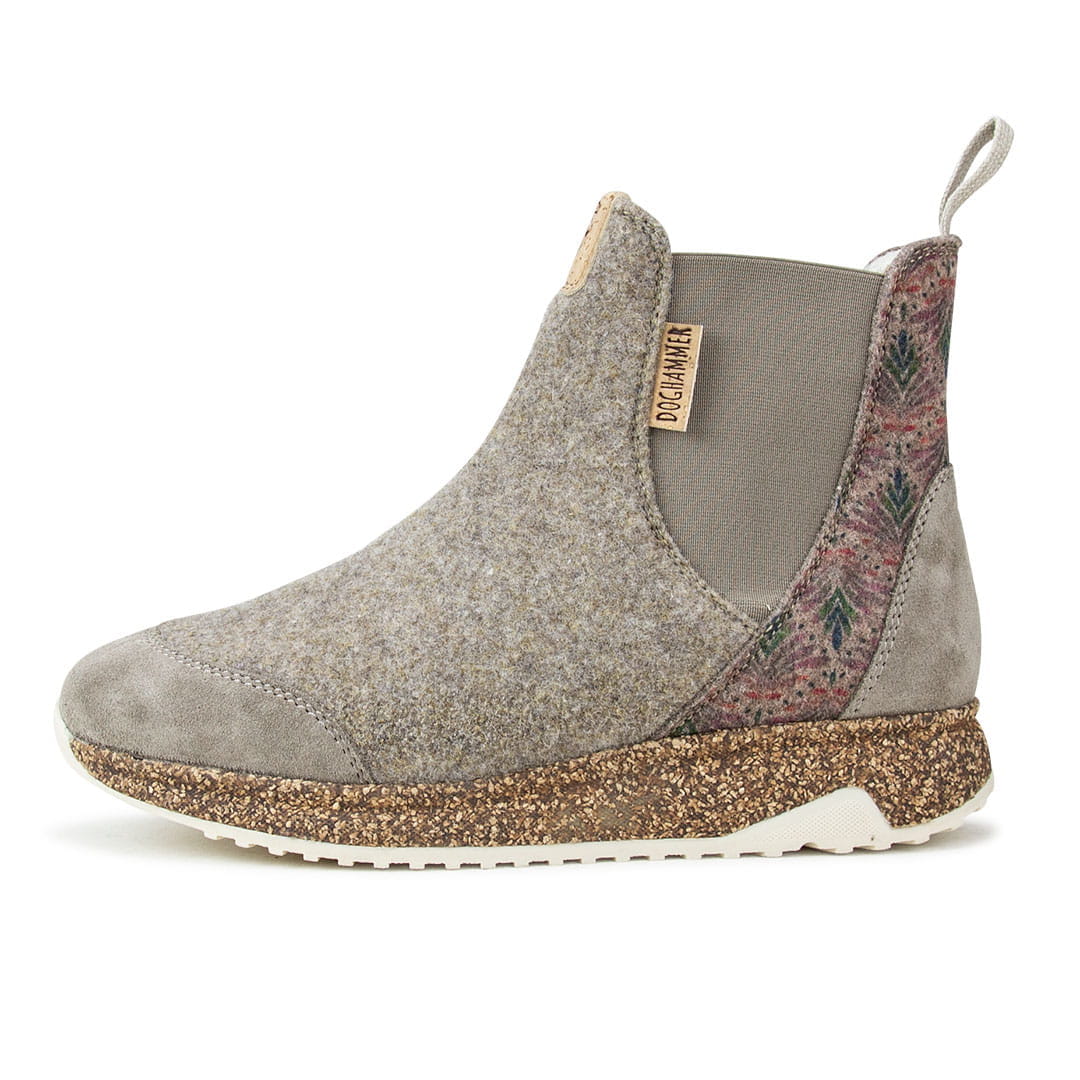
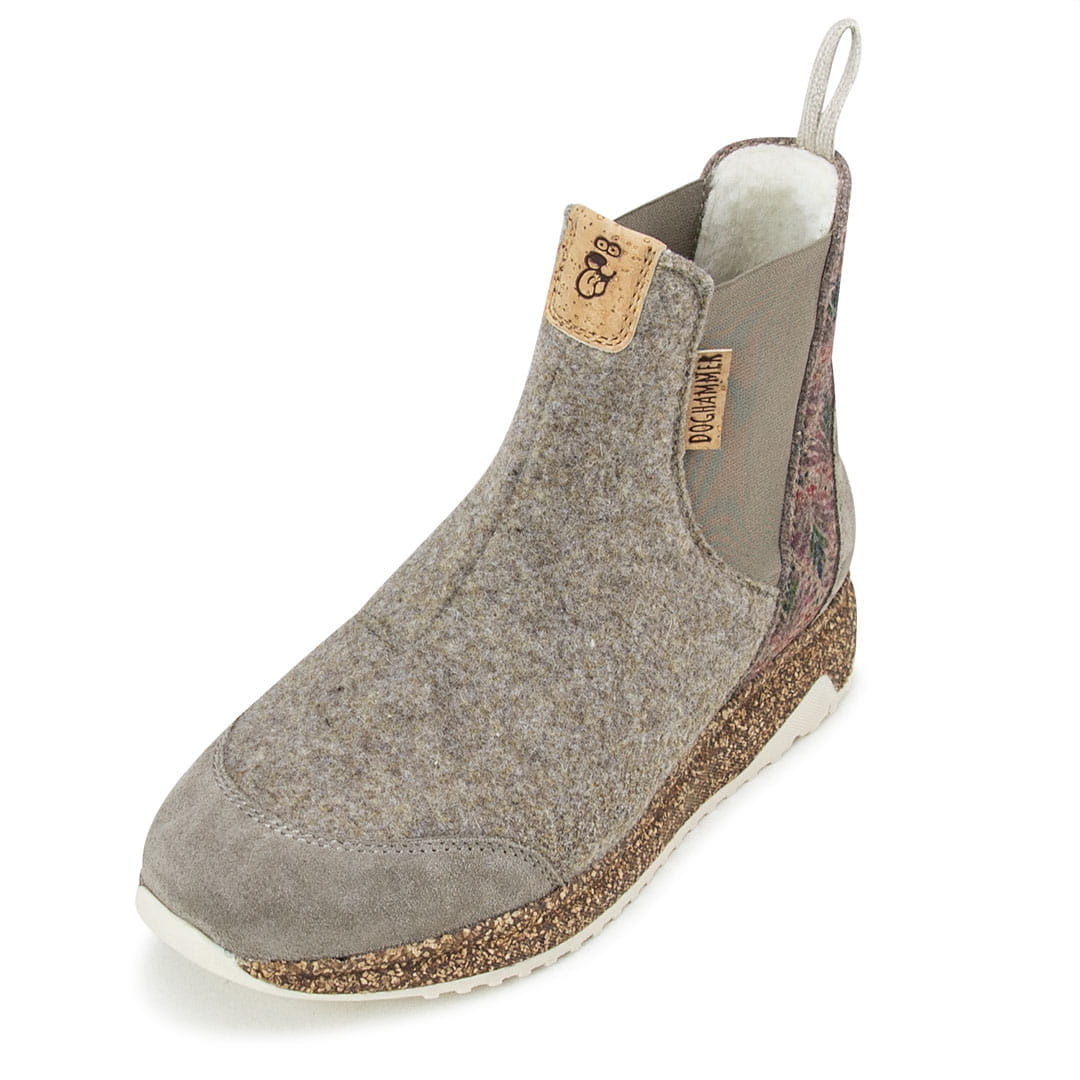
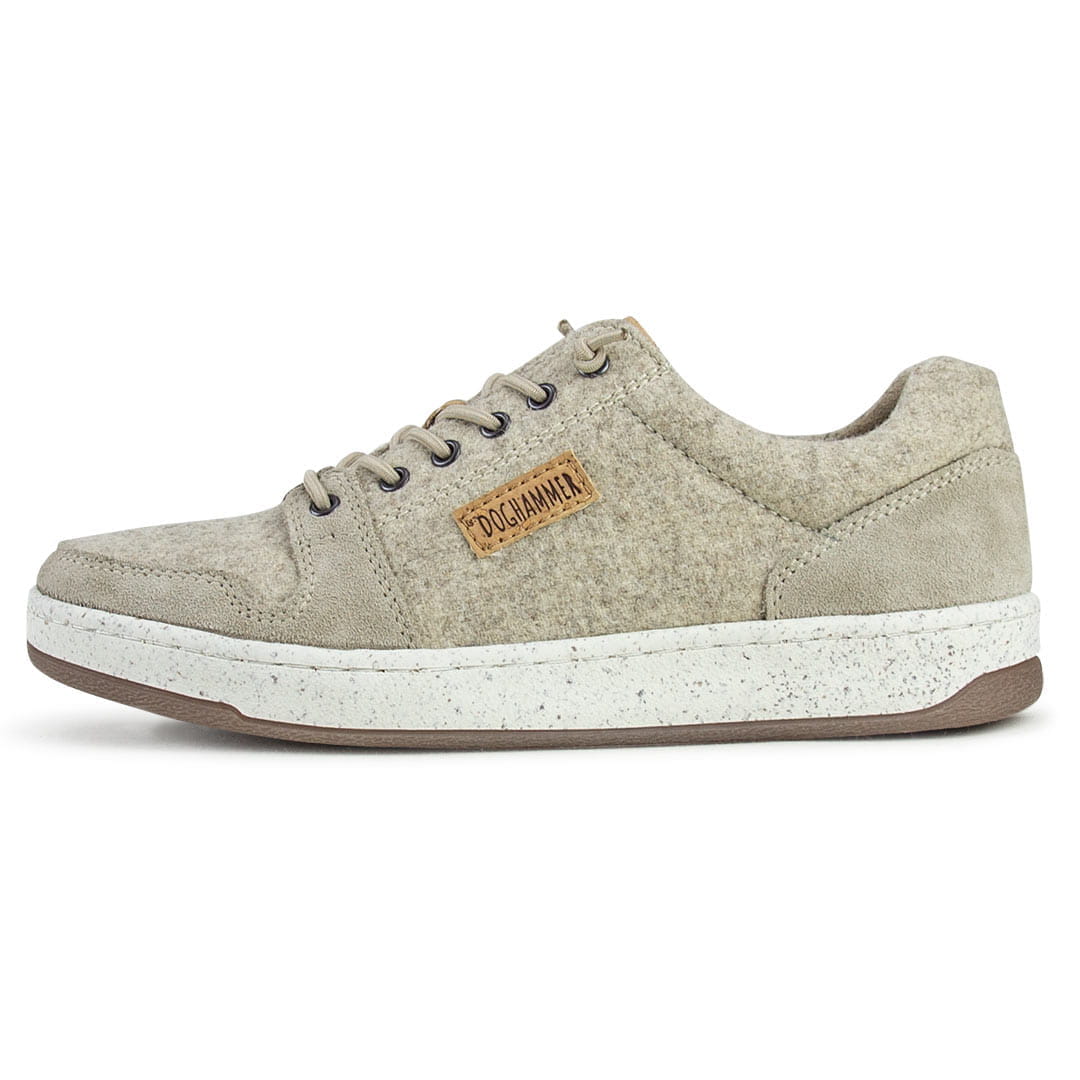
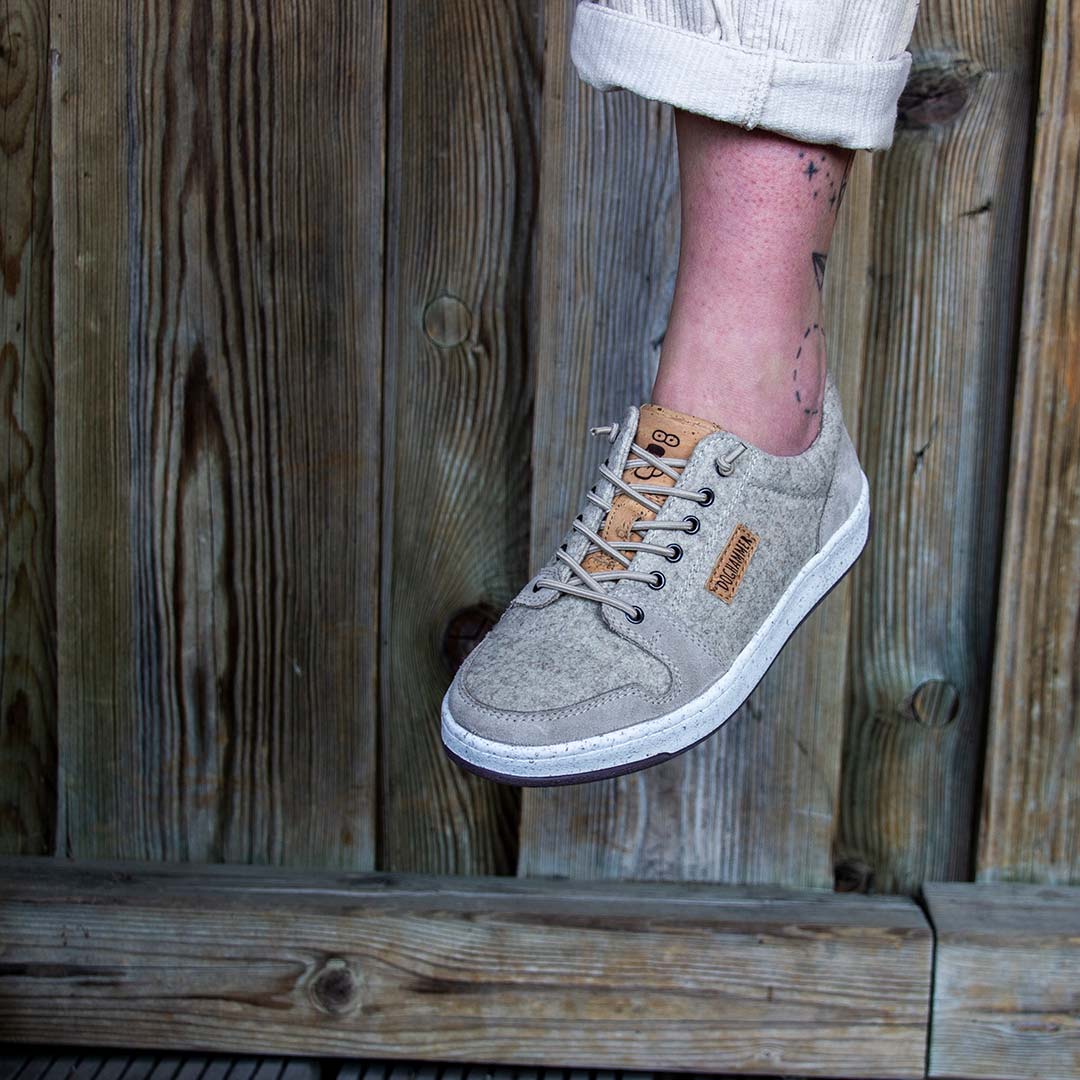
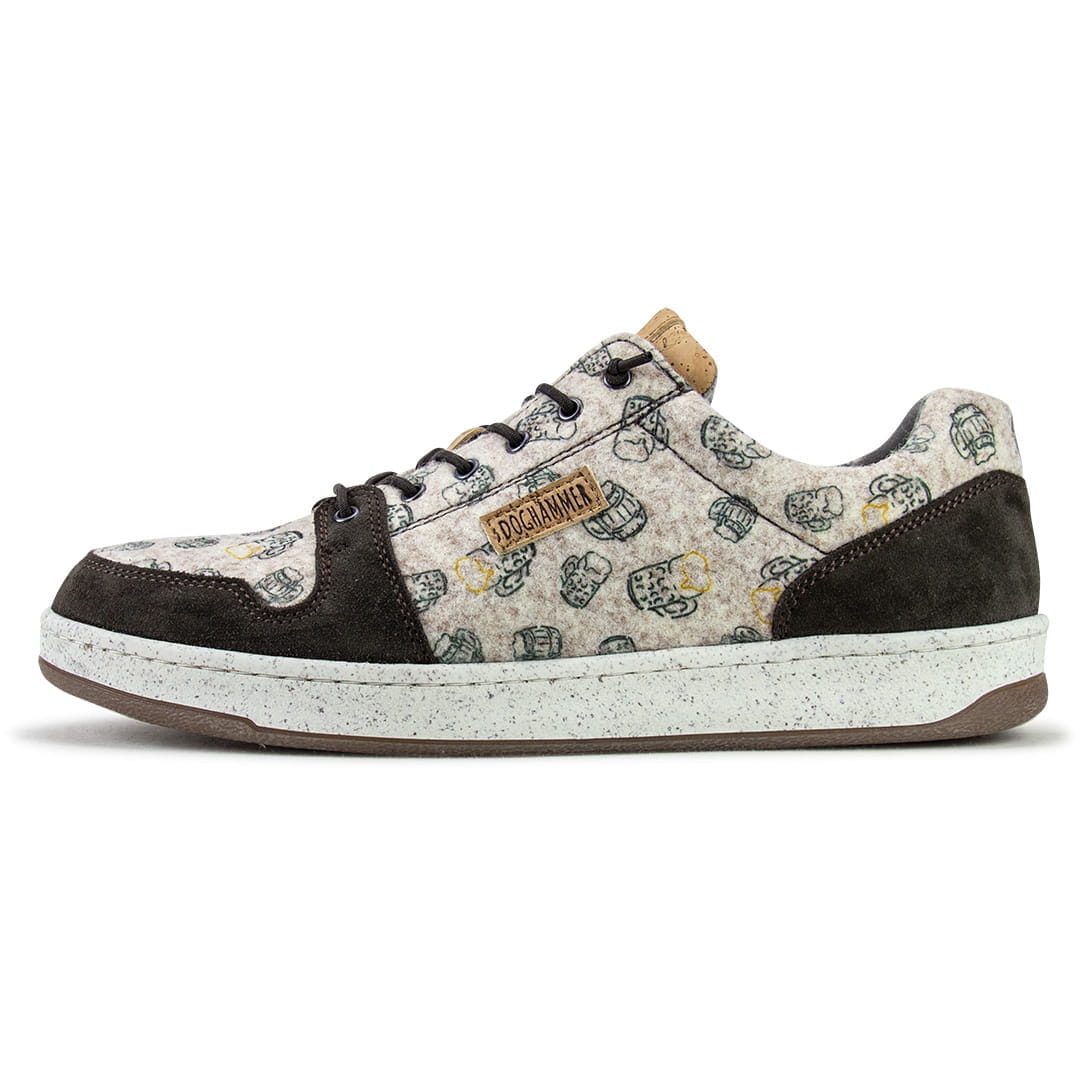
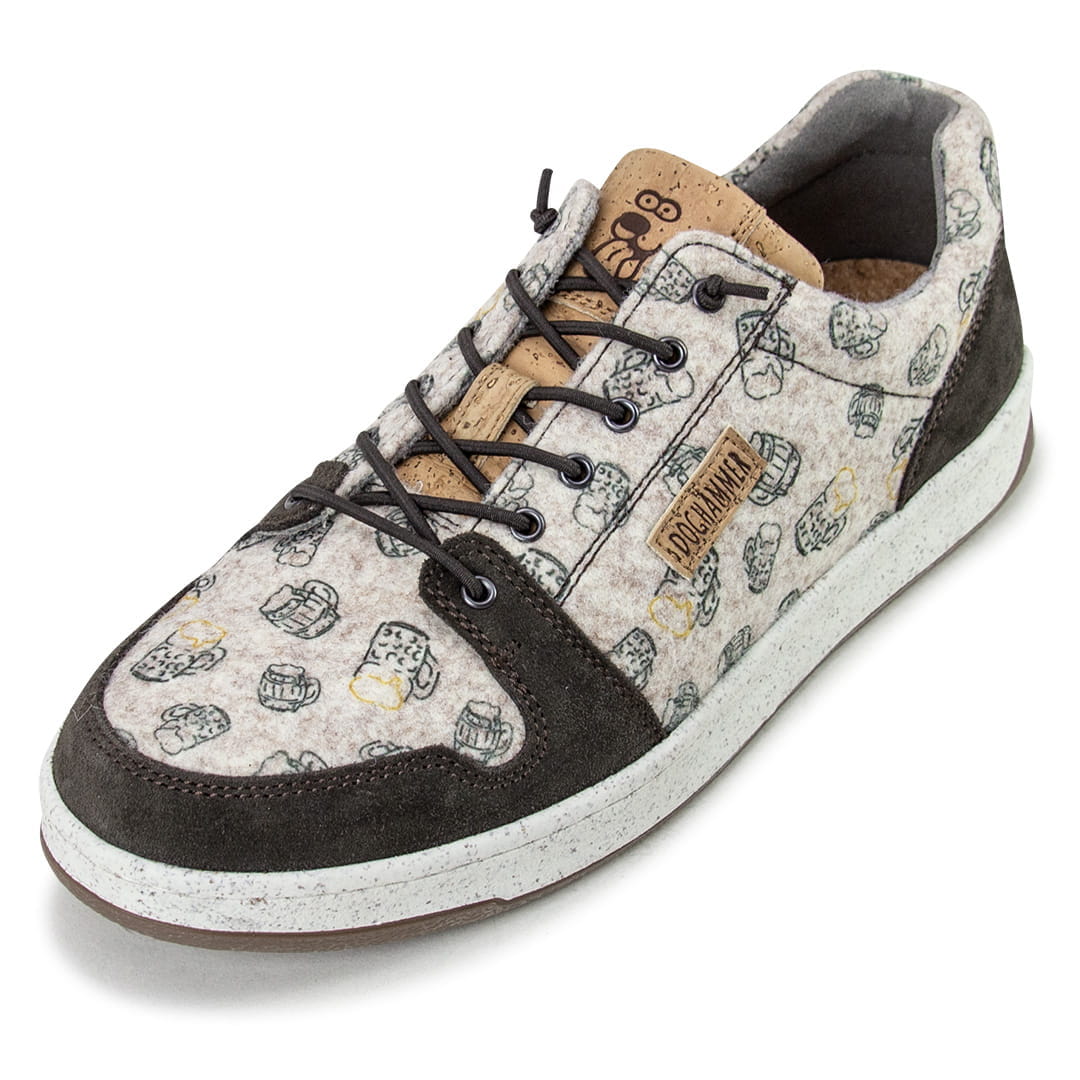
What are we going to do with the Steinschafloden now? We’re turning it into limited-edition barefoot shoes and trainers – you won’t find anything like them anywhere else. Locally produced, ethically made and from a material that had almost been lost to history.
Would we go down this route again? We’ll see … but one thing’s for sure: it was worth it.

Further wool projects: Partnership with Nordwolle
Since 2022, we have been working closely with Nordwolle from northern Germany – a true specialist in high-quality sheep’s wool from regional, traceable sources. The partnership is based on trust, short supply chains and a shared vision: greater appreciation for local wool. We are delighted to have found a partner in Nordwolle who shares our passion for natural materials – and this is evident in every wool product.