

Barefoot hiking shoes & trekking boots – feel the adventure
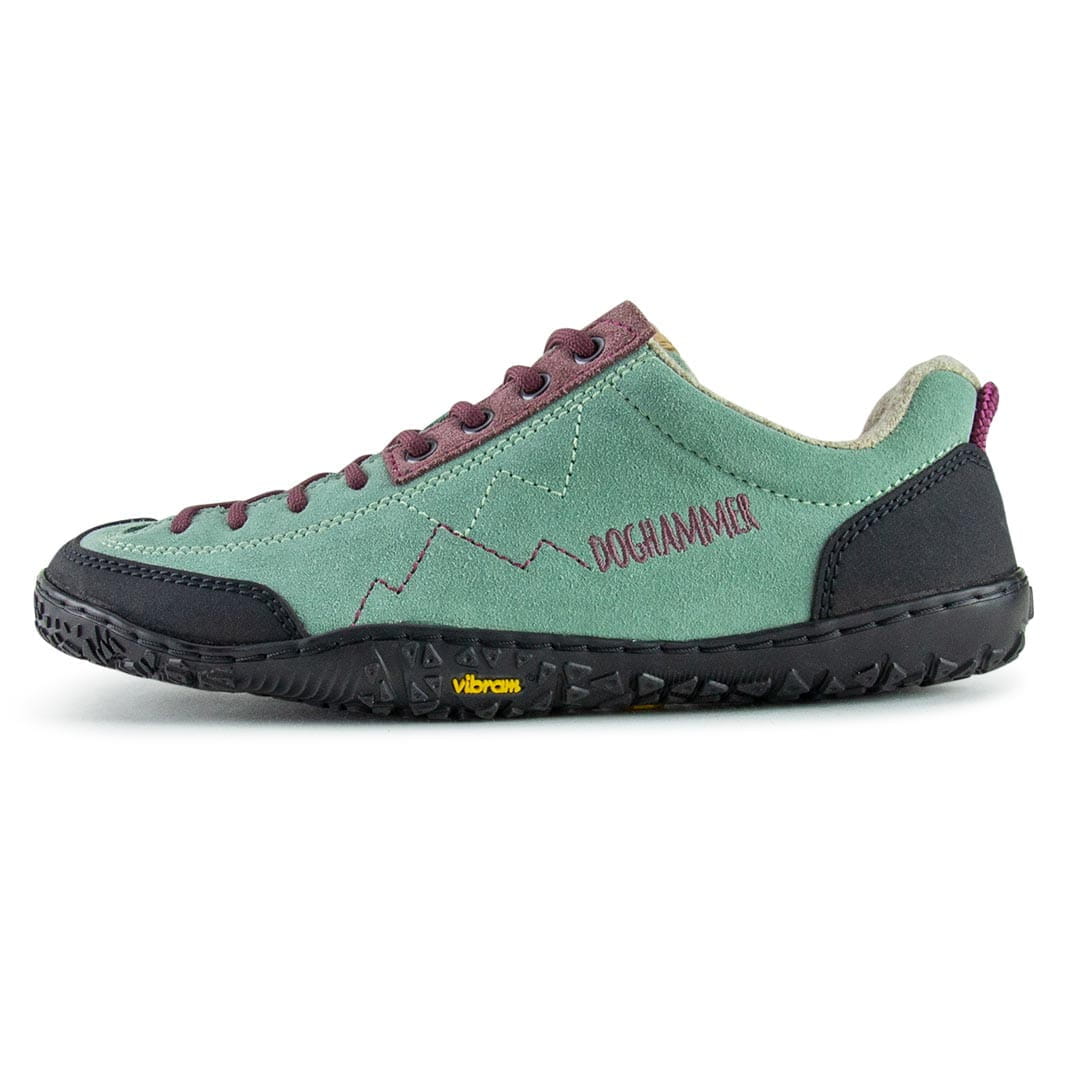
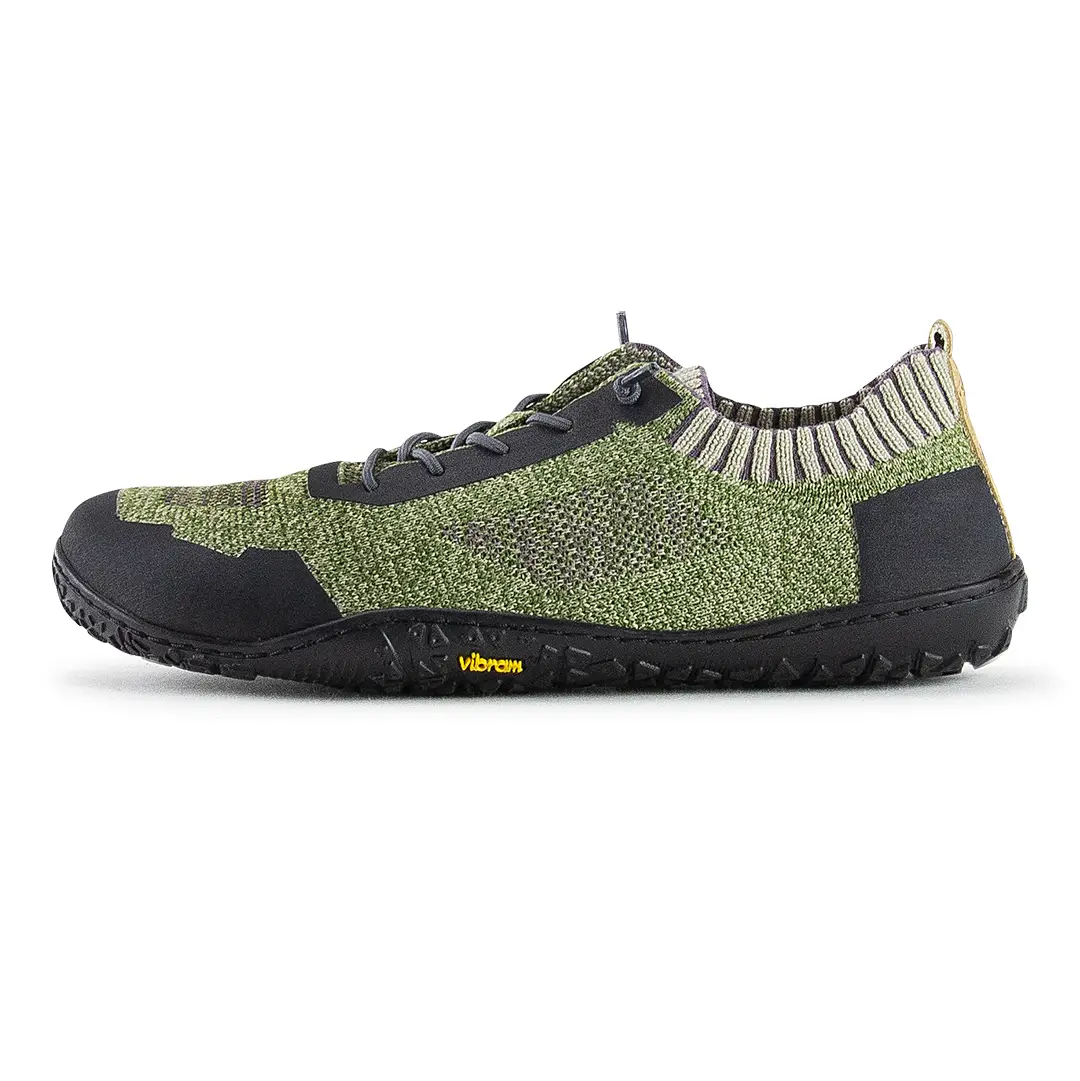
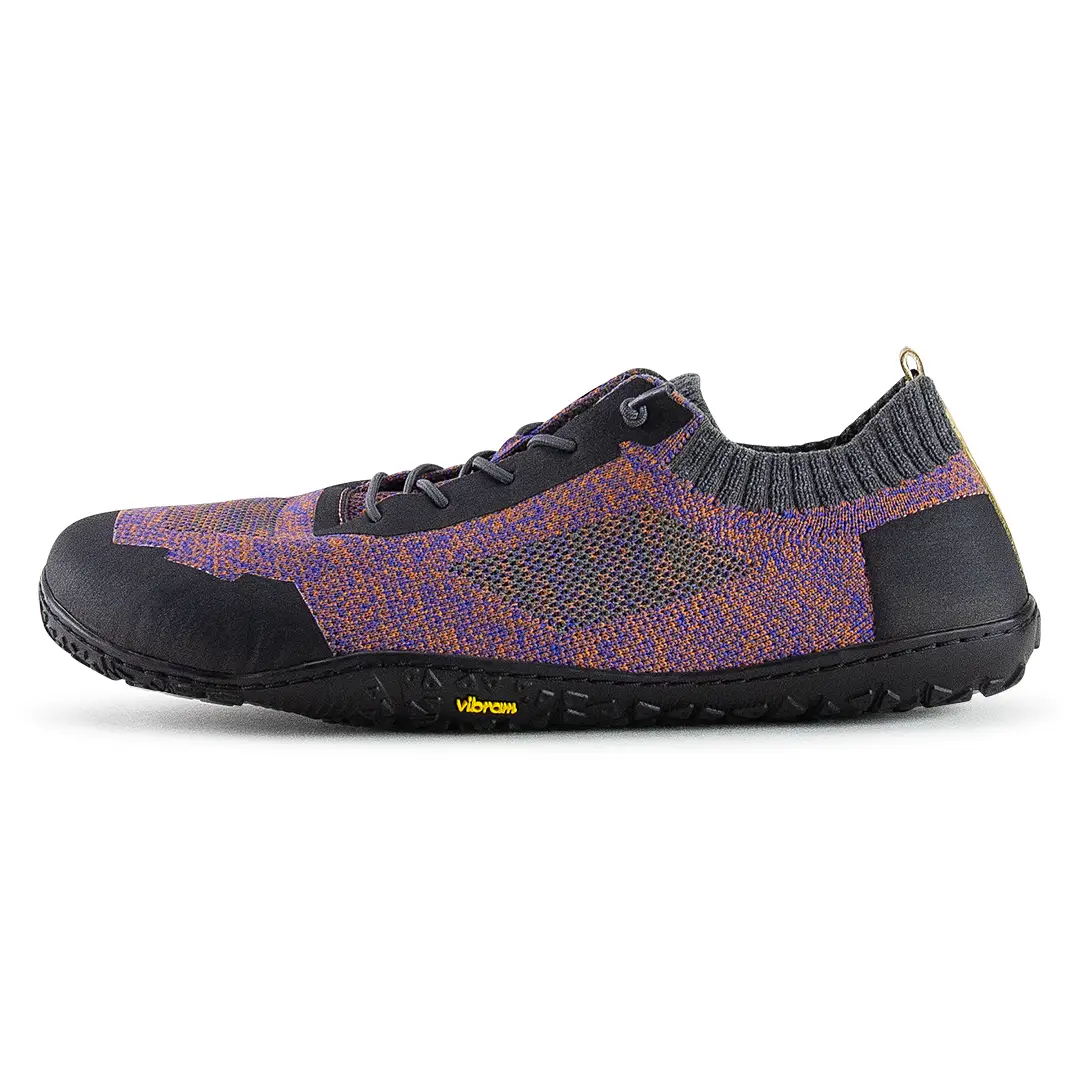
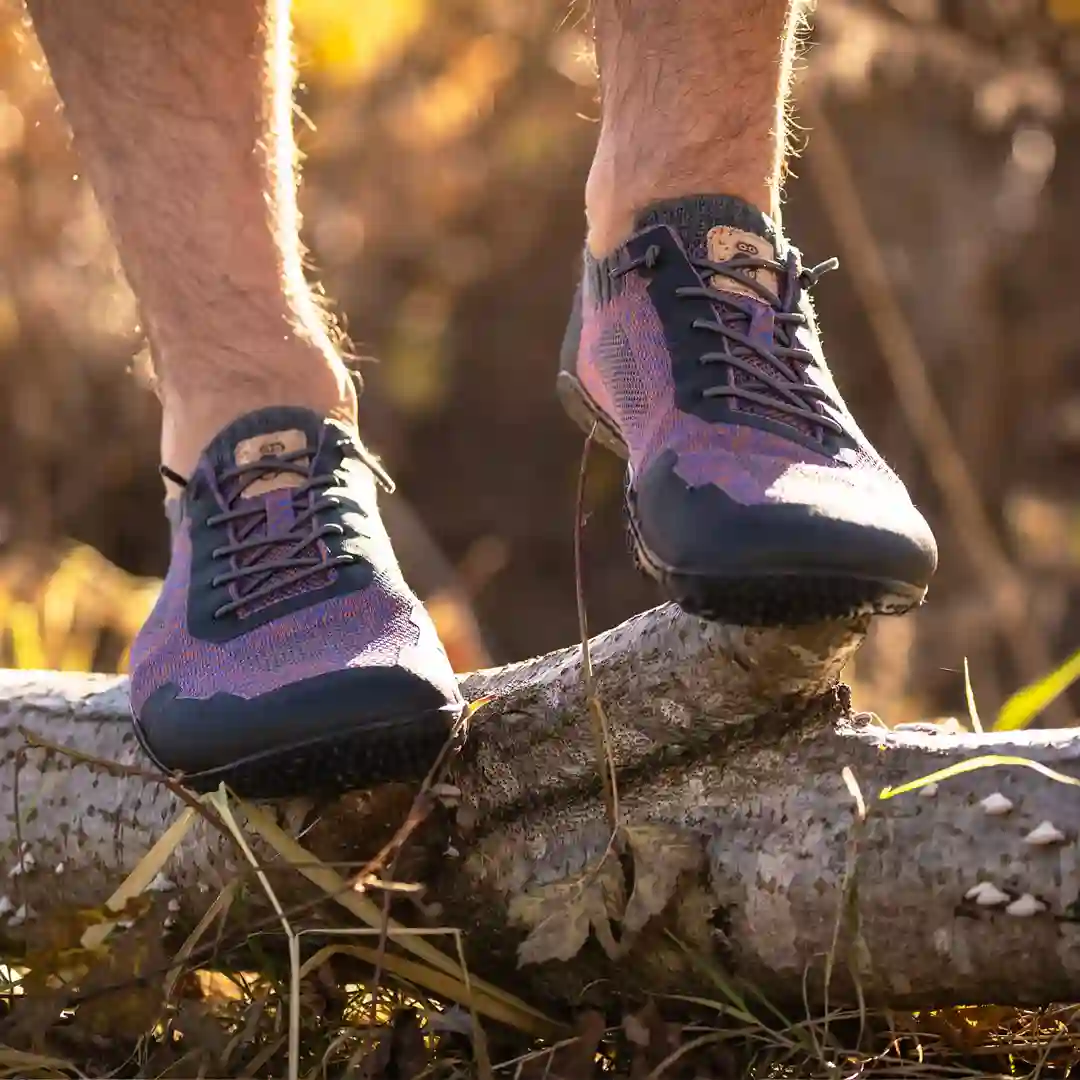
Do you want to feel the mountains – not your shoes? Then Doghammer is the perfect choice for you. Our barefoot hiking shoes and trekking shoes combine the sensation of natural walking with the secure grip of a functional hiking boot. No frills at all, just genuine contact with nature beneath your feet. Whether you’re hiking through the Alpine foothills, exploring the low mountain ranges or simply looking for more freedom for your toes – our barefoot hiking shoes are your perfect companions for your adventures.


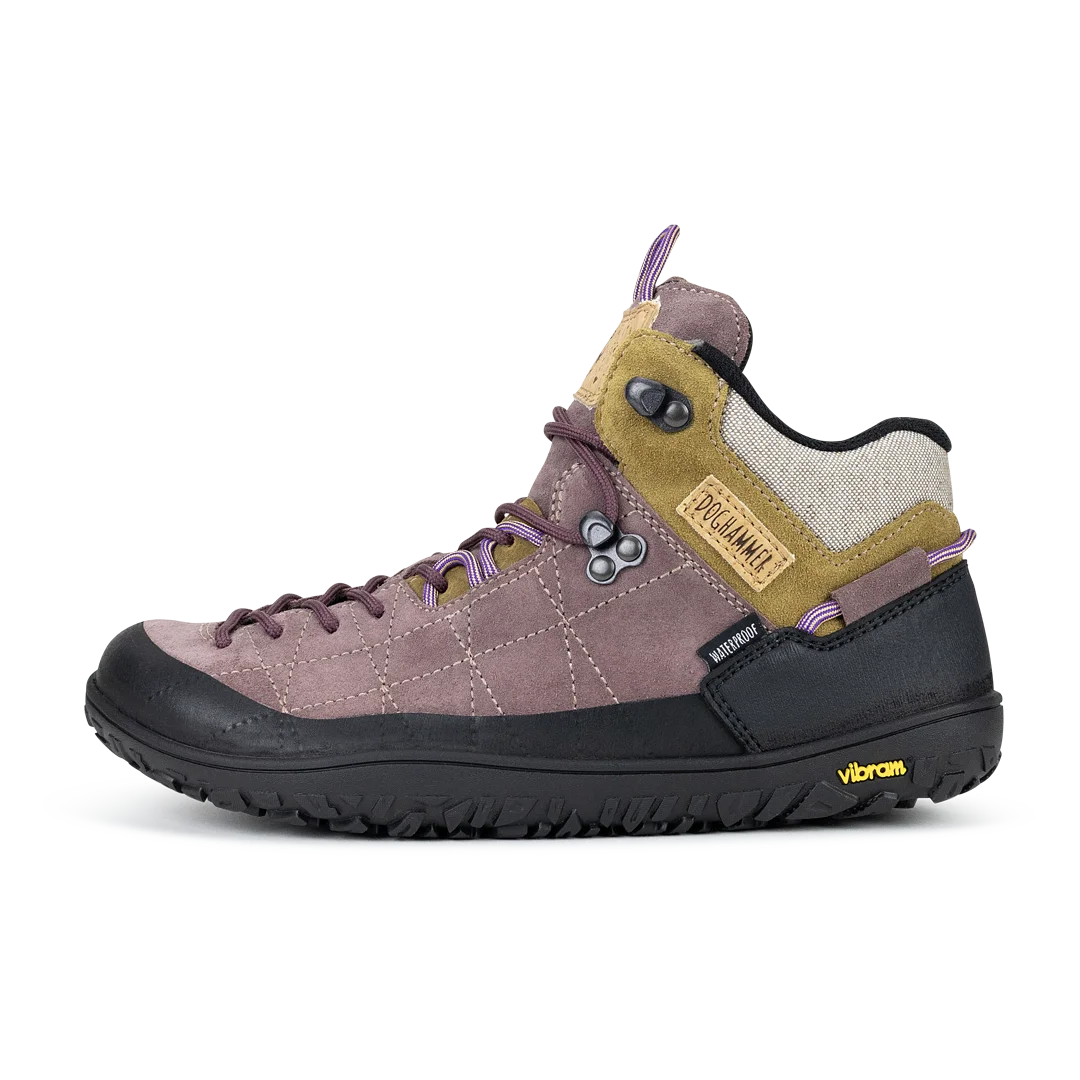
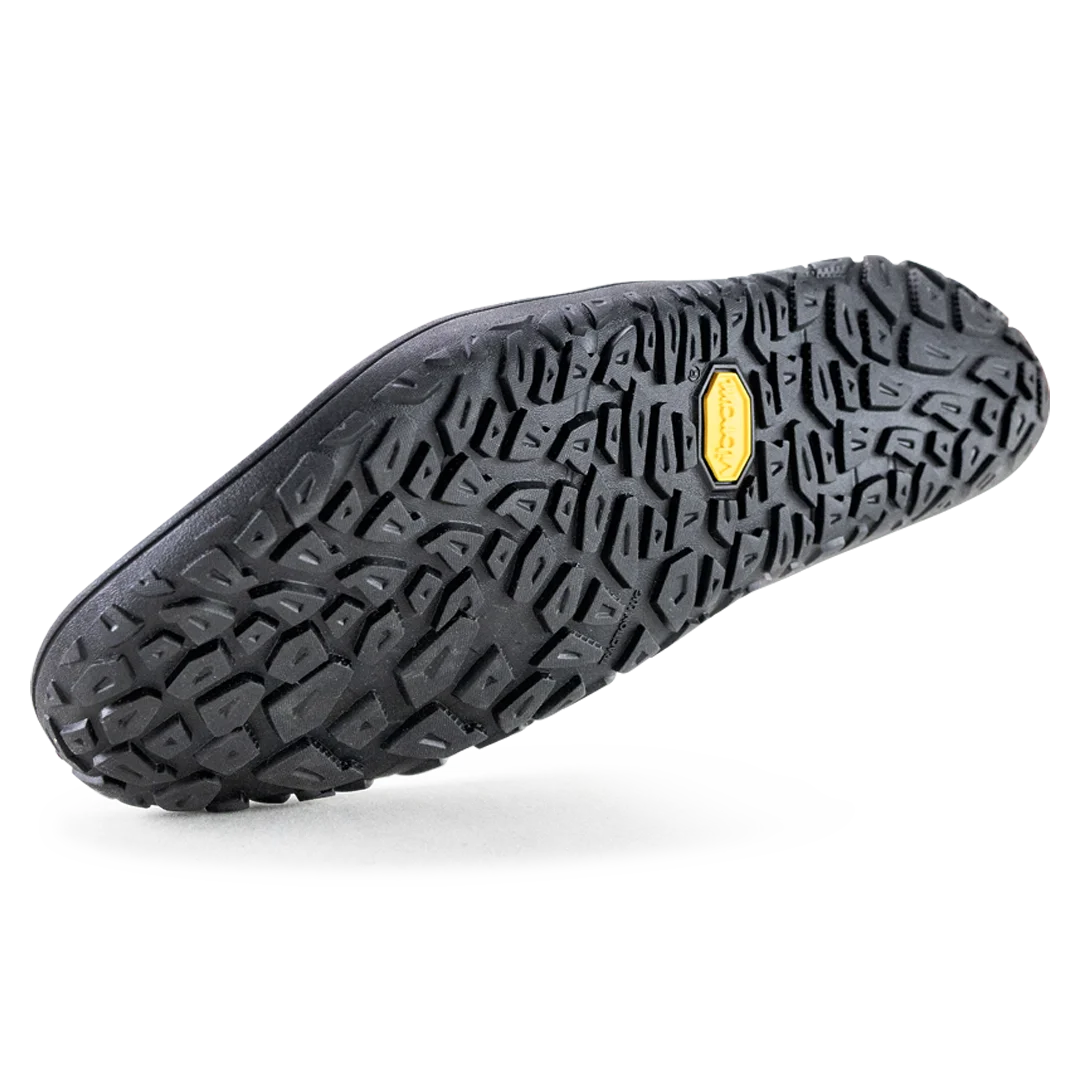
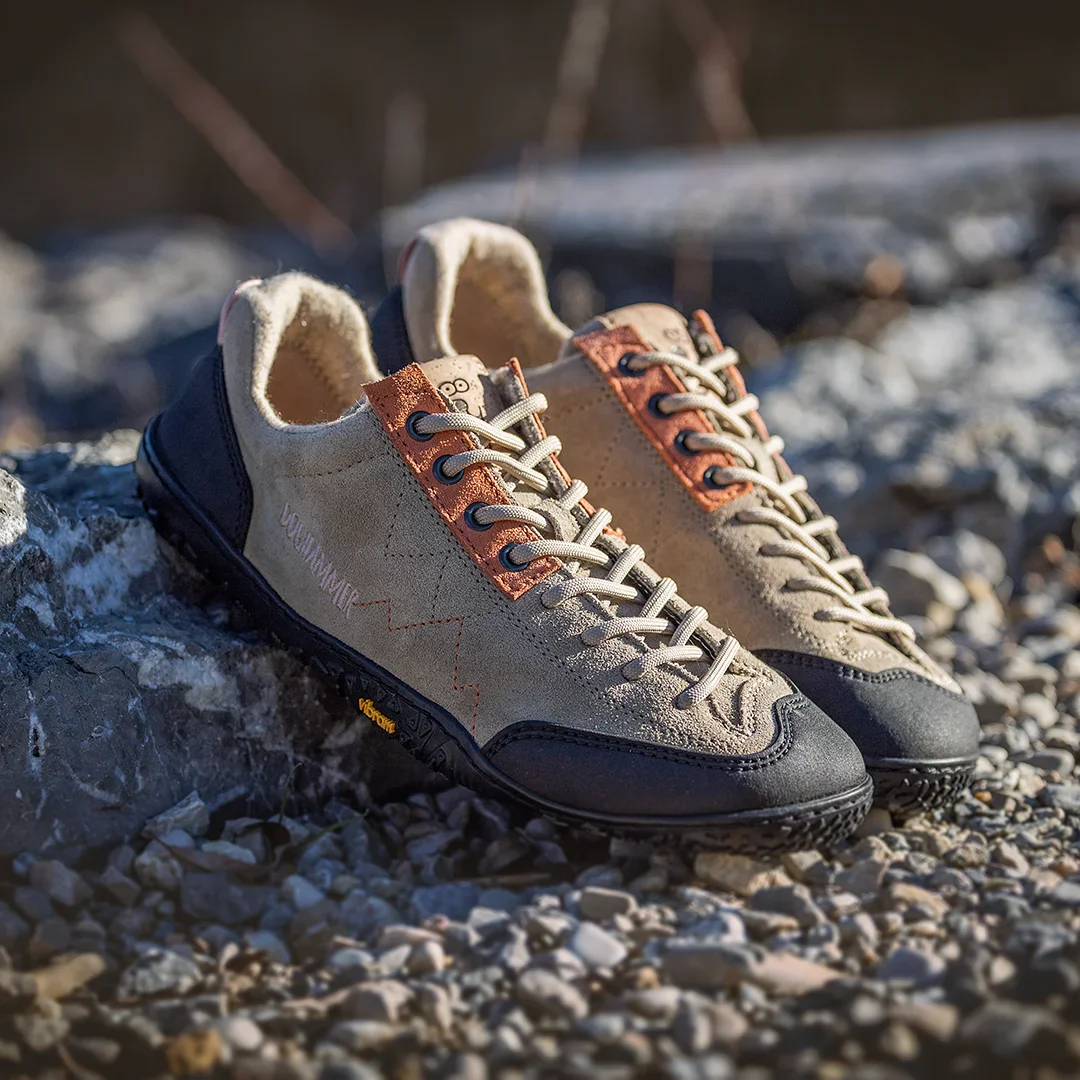
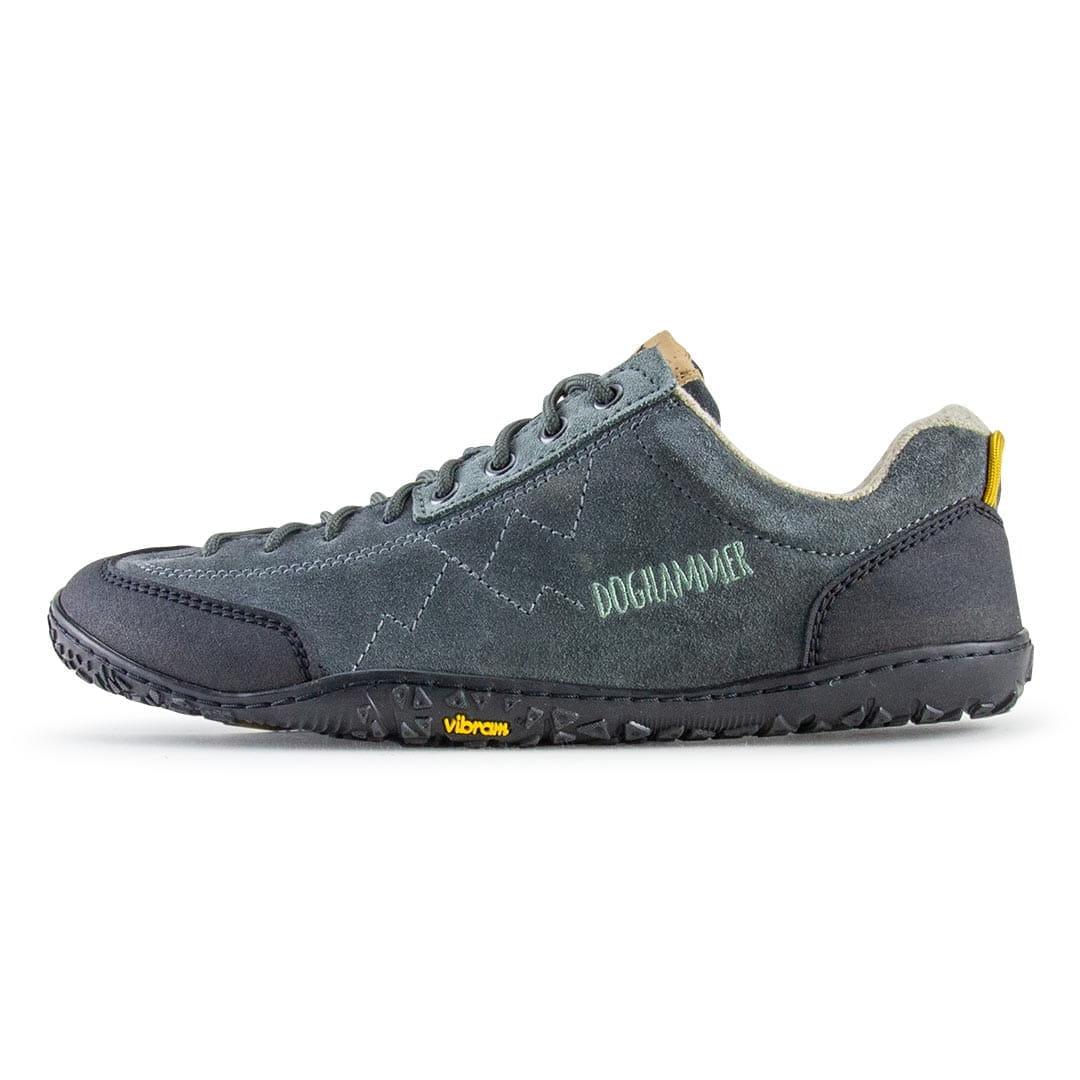
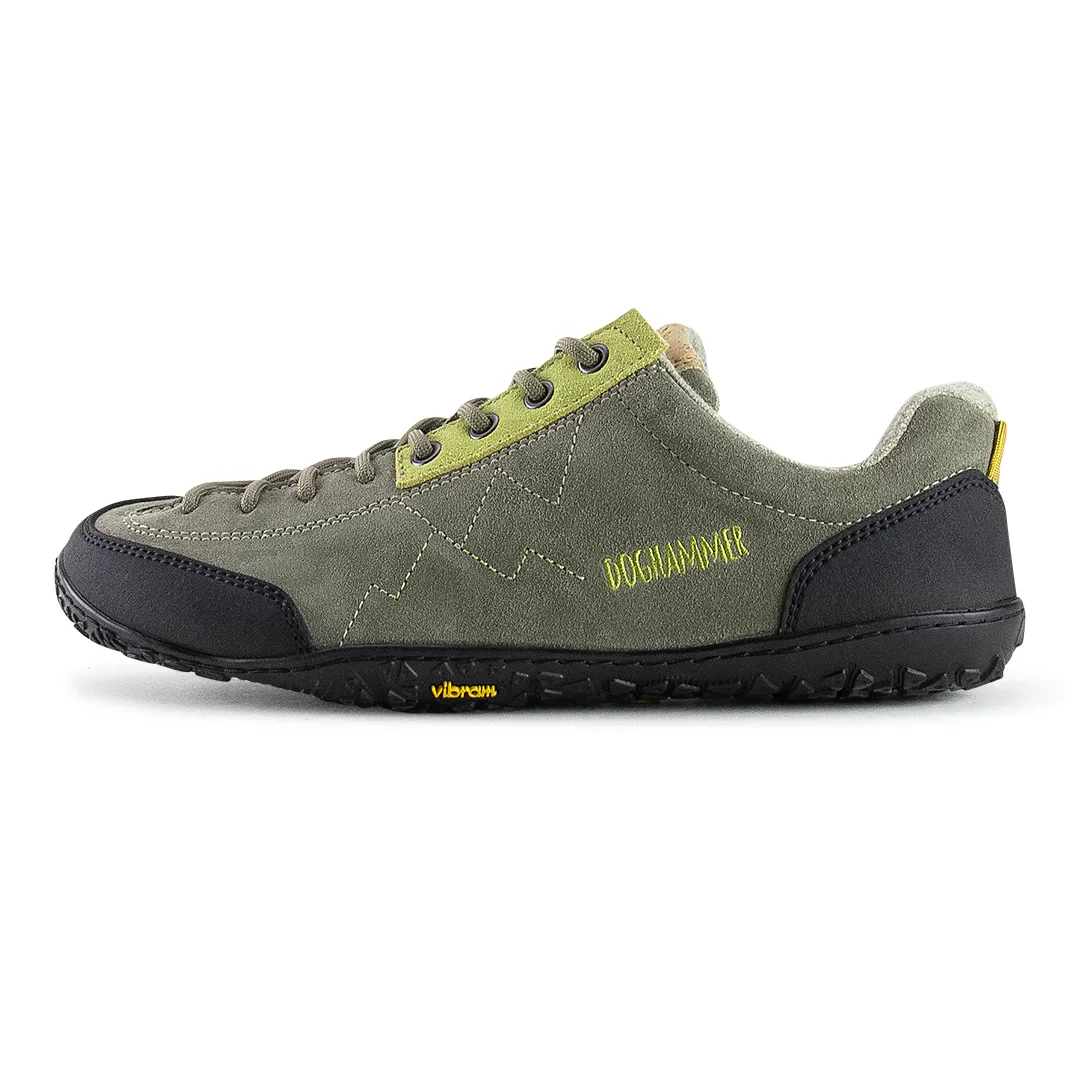
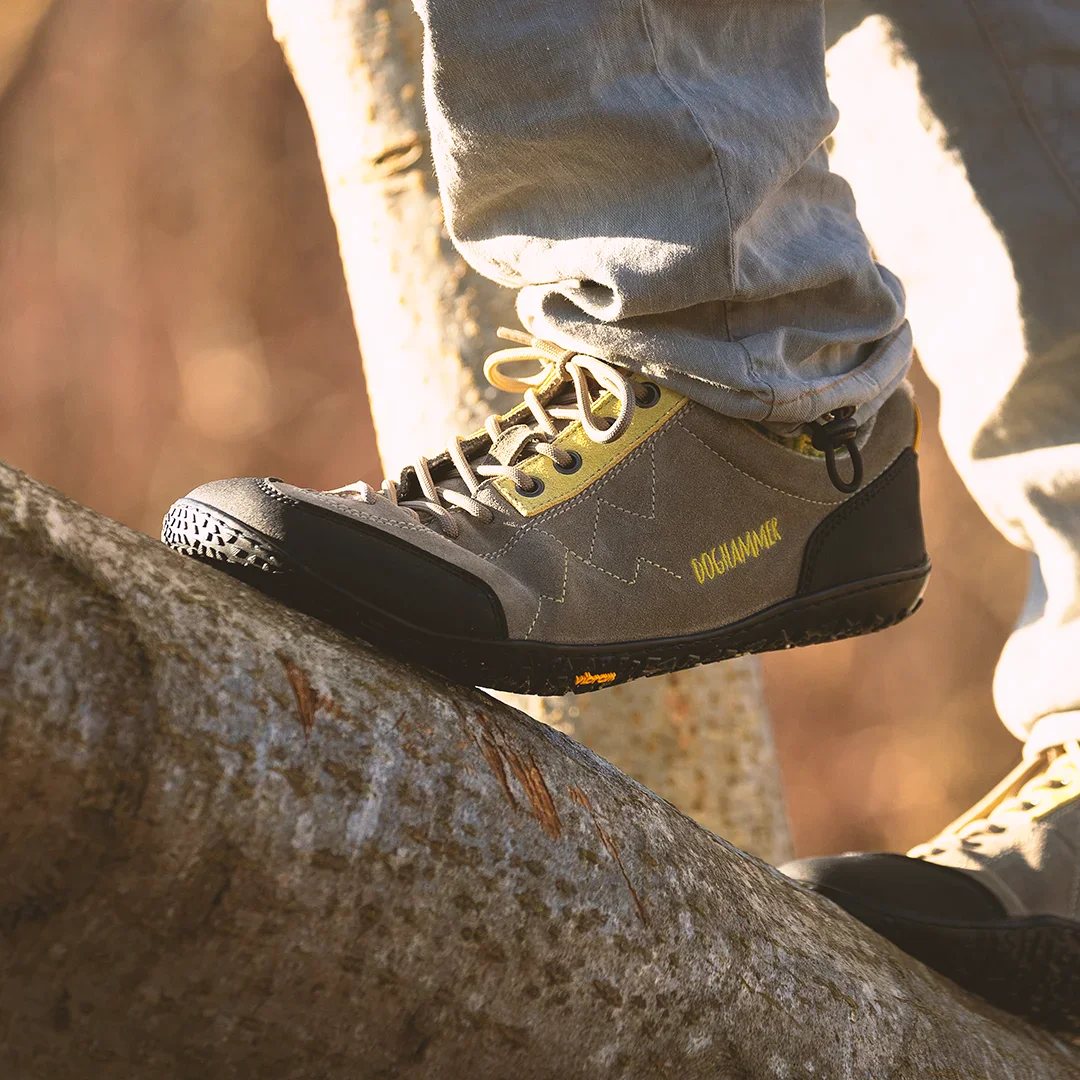
Escape the daily grind and embark on an adventure: These waterproof, ankle-high barefoot hiking boots will see you through any adventure thanks to their grippy barefoot Vibram sole, Wiltex® membrane and all-round scree protection – with plenty of room for your toes and the natural walking sensation of a barefoot shoe.
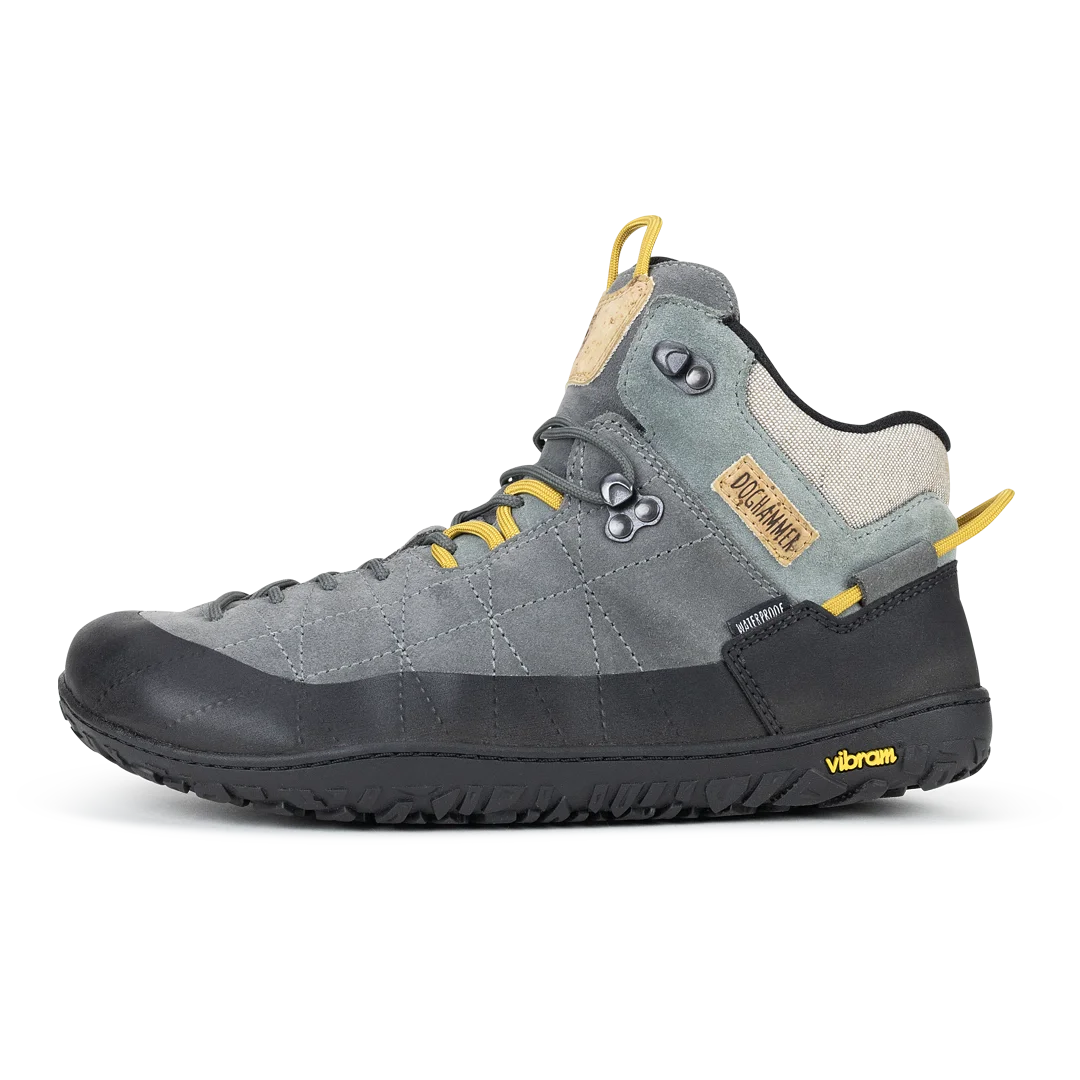
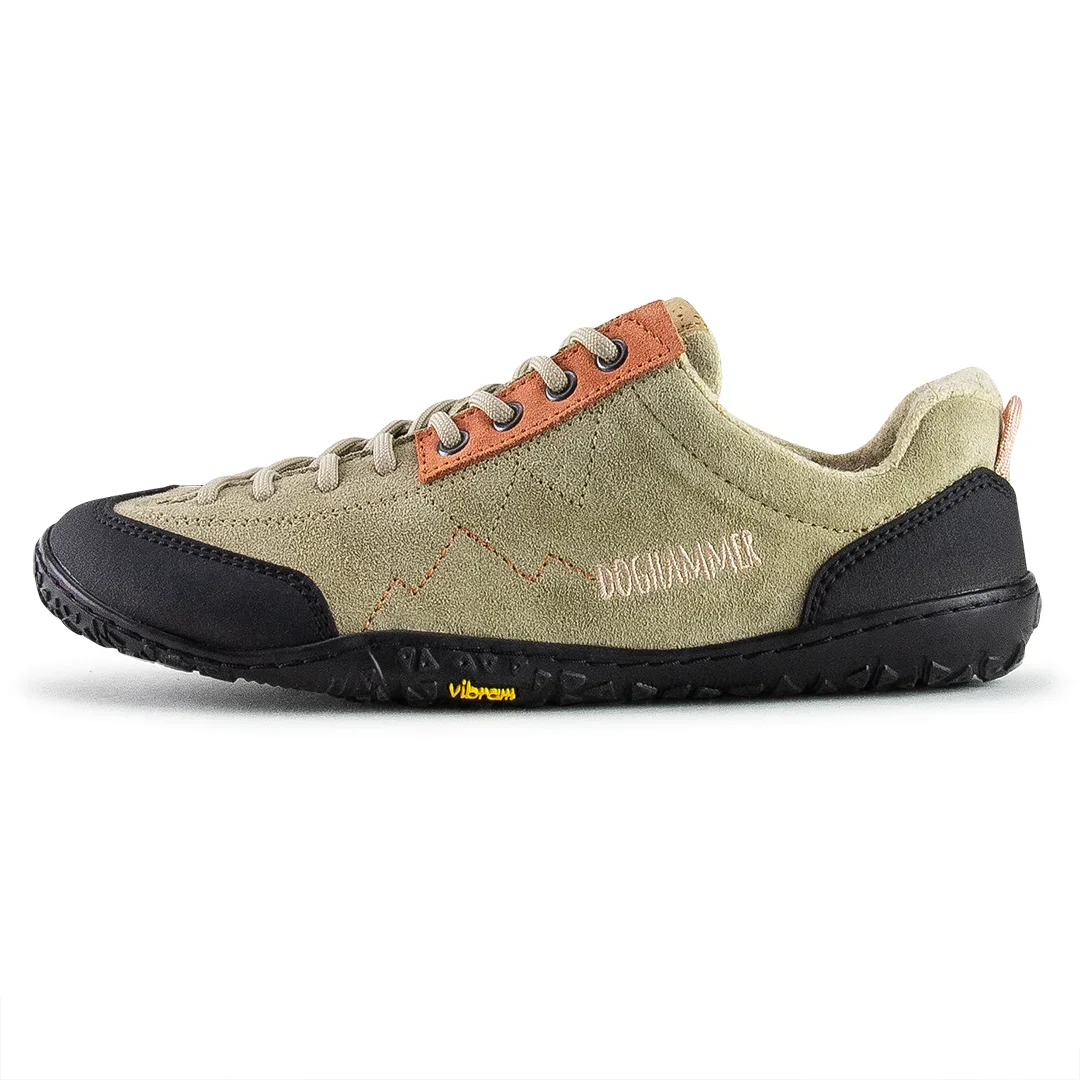



Barefoot hiking boots and trekking shoes – enjoy your adventure

What are barefoot hiking boots – and why are they good for you?
Barefoot hiking or trekking shoes are designed to help you reconnect with your natural movement patterns. A flexible, thin sole with no heel-to-toe drop (i.e. no difference in height between the heel and the toes) promotes healthy posture, activates your foot muscles and gives you a better feel for the ground beneath you. A wide toe box provides space where many conventional hiking boots feel constricting. This means you can enjoy an unrivalled, natural walking experience even on long hikes – with less weight and better grip.
Hiking boots: barefoot shoes compared to classic hiking boots
Unlike traditional trekking shoes, which often feature a stiff sole and plenty of cushioning, barefoot hiking shoes prioritise lightness, flexibility and direct feedback from the ground. Minimalist hiking shoes, such as our Doghammer models, allow you to engage in sensorimotor training with every step – this not only improves your balance but also helps prevent strain. They can be stowed away in your rucksack to save space, dry quickly and are robust enough for forest trails, alpine pastures or rocky paths.
Sustainable barefoot hiking shoes – how Doghammer makes them
At Doghammer, functionality and sustainability go hand in hand. Our barefoot hiking shoes are fairly and handcrafted in a family-run workshop in Portugal – using locally sourced materials and natural resources such as recycled cork, sheep’s wool and natural rubber. A real highlight is the lining made from loden wool sourced from native Portuguese Merino sheep – breathable, temperature-regulating and antibacterial. And best of all: this doesn’t just work in winter, but also ensures the best possible foot climate you could wish for whilst hiking in summer!The sole is functional too: our barefoot hiking boots are fitted with a grippy Vibram sole – for perfect grip on a wide variety of surfaces. Shipping is handled in collaboration with a facility for people with disabilities in Rosenheim. Barefoot hiking boots with a purpose – that’s our approach.

Find your barefoot hiking shoes at Doghammer
We currently offer the Terrar Rock – the first genuine barefoot hiking shoe for your treks – featuring all the Doghammer values and maximum functionality. Further models are already in the pipeline. Our women’s and men’s barefoot shoes impress with their well-thought-out design, high-quality craftsmanship and an unrivalled level of comfort. Sustainable, fair and functional – discover our collection now and take your next step towards freedom. Our barefoot hiking shoes are also ideal for trekking tours and multi-day adventures.