

Wool shoes for women
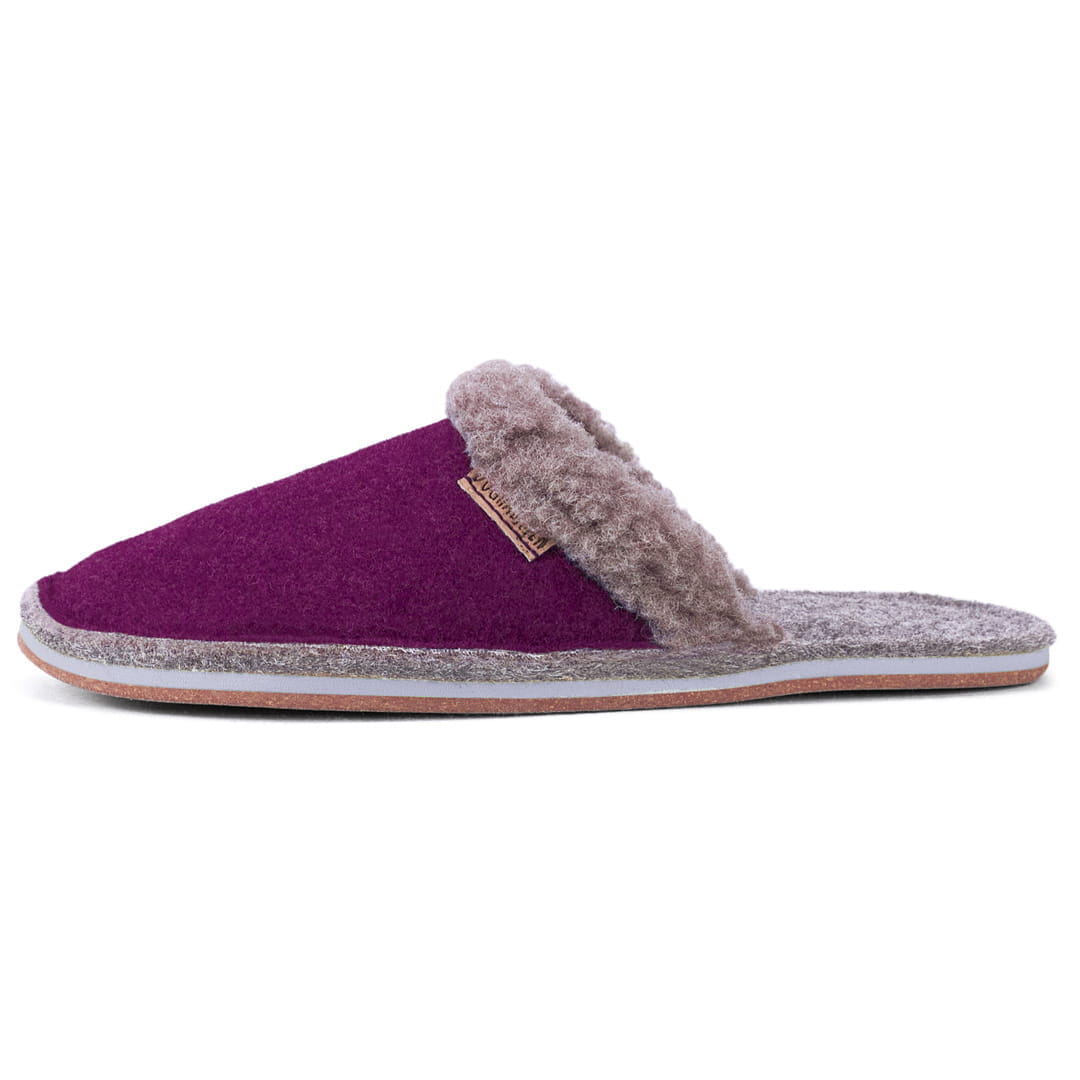
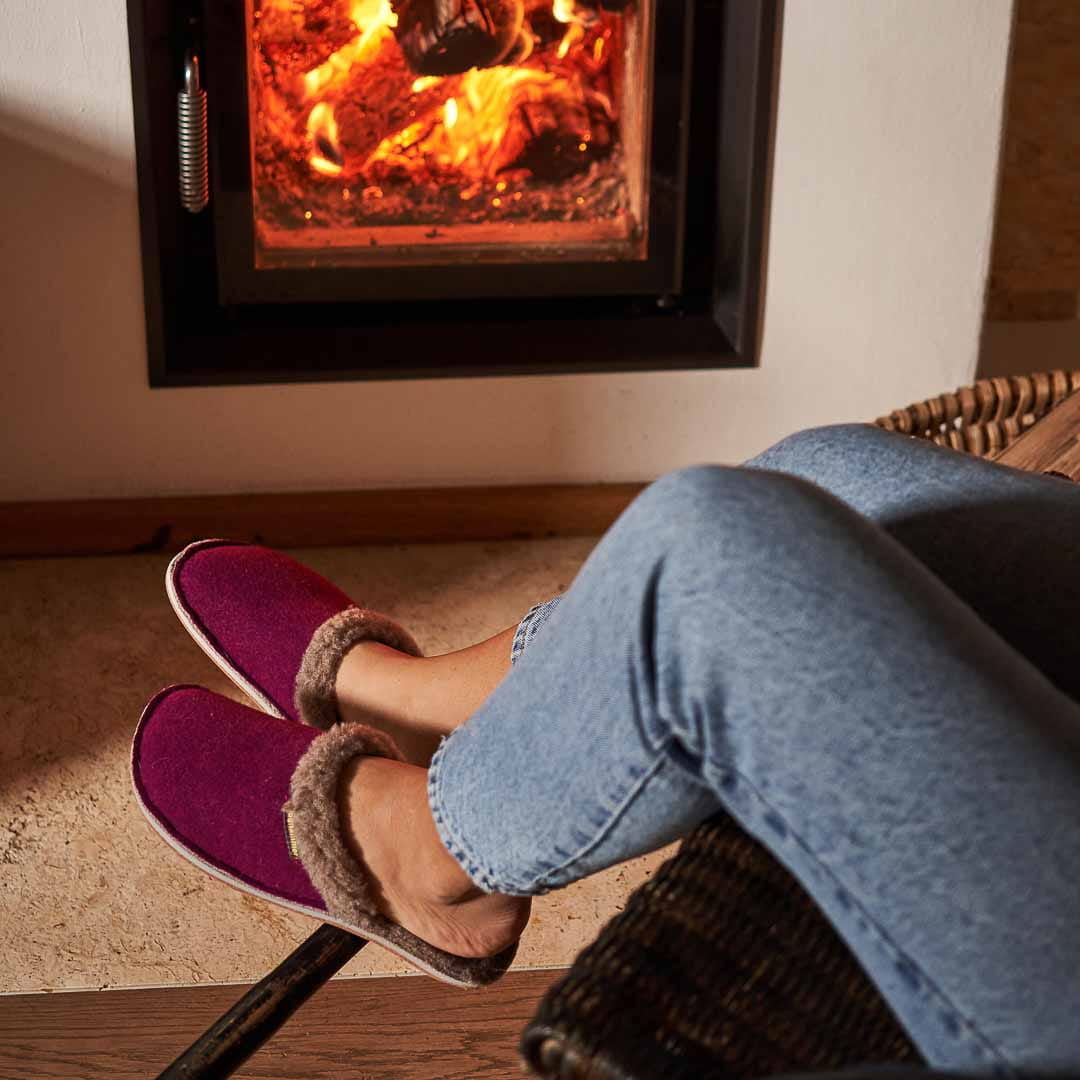
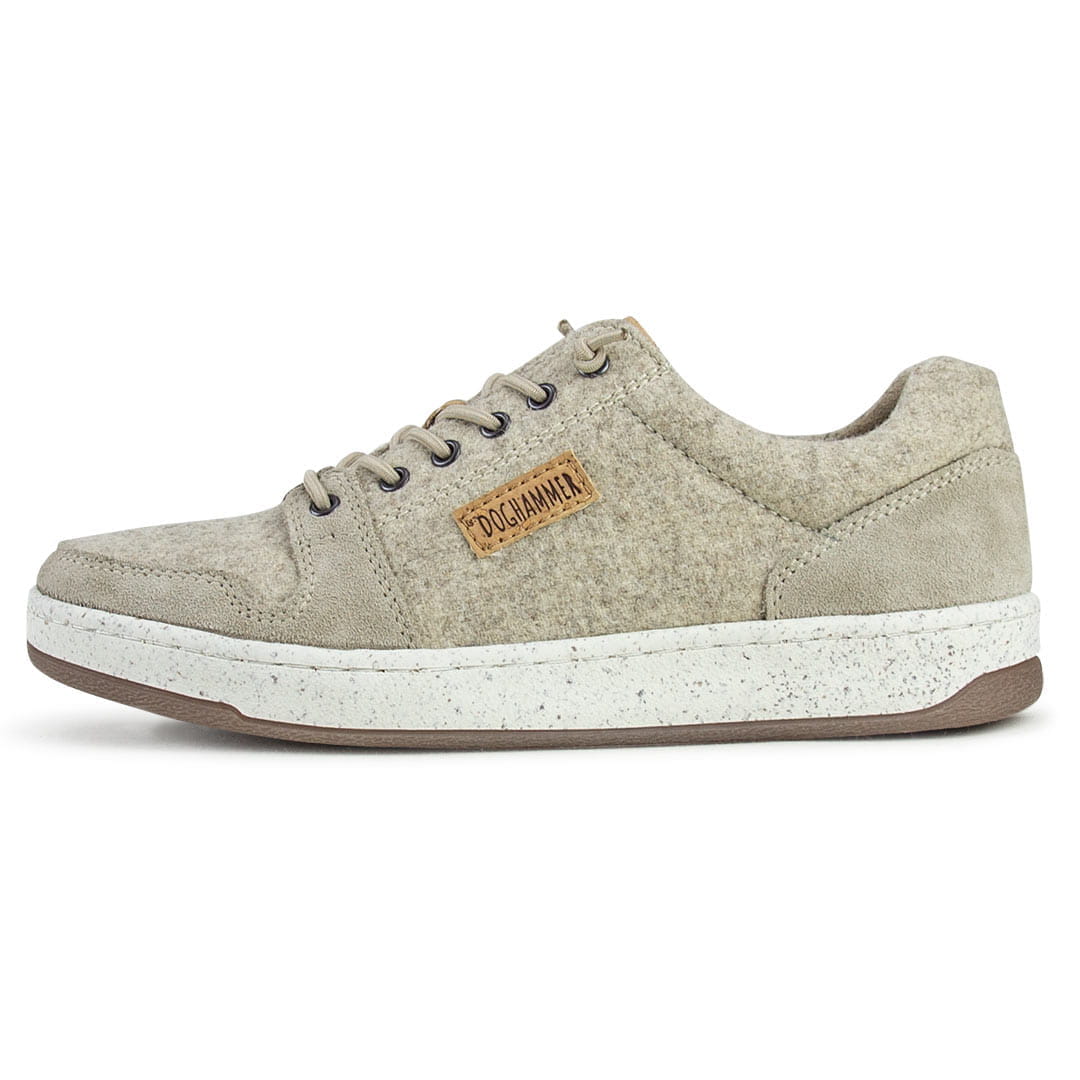
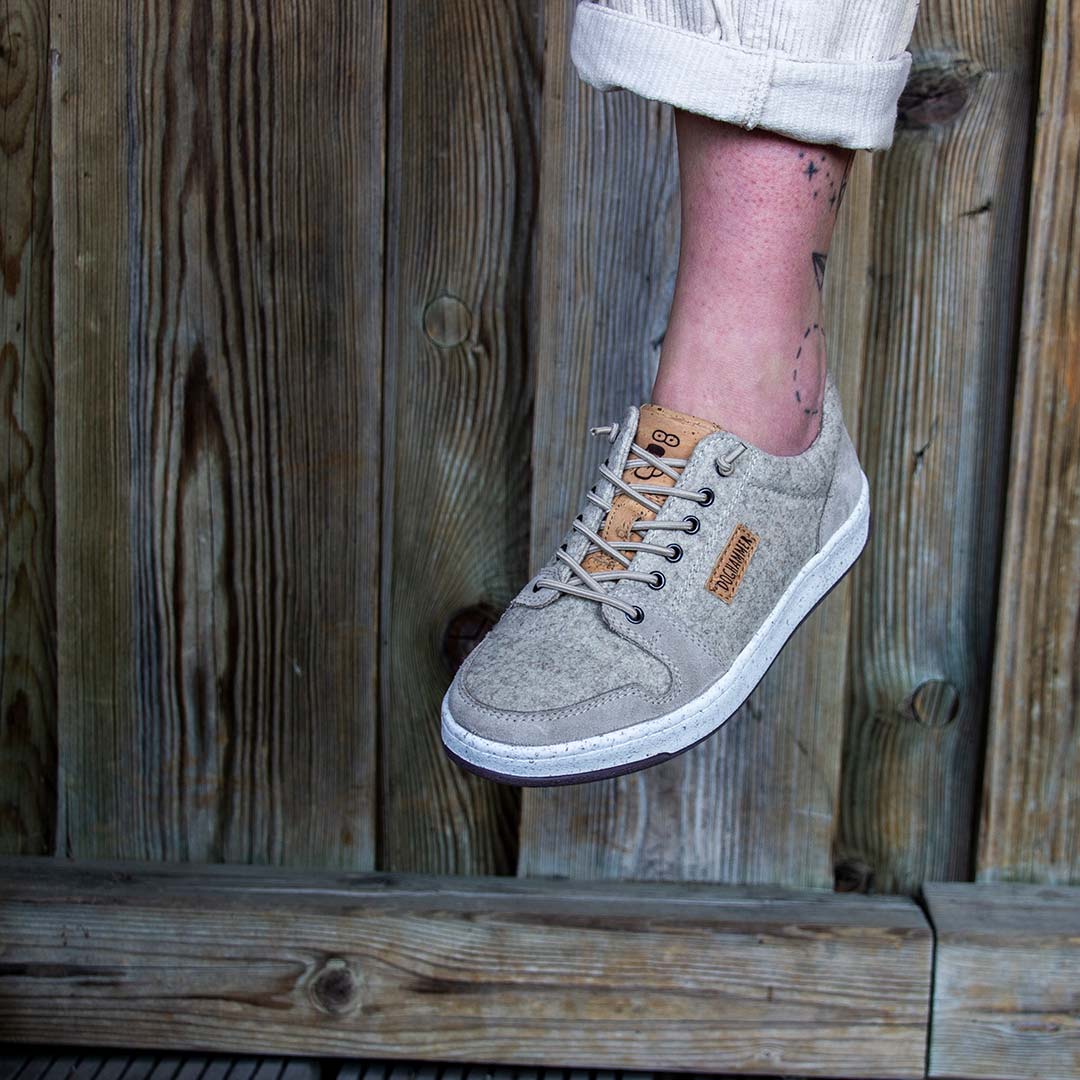
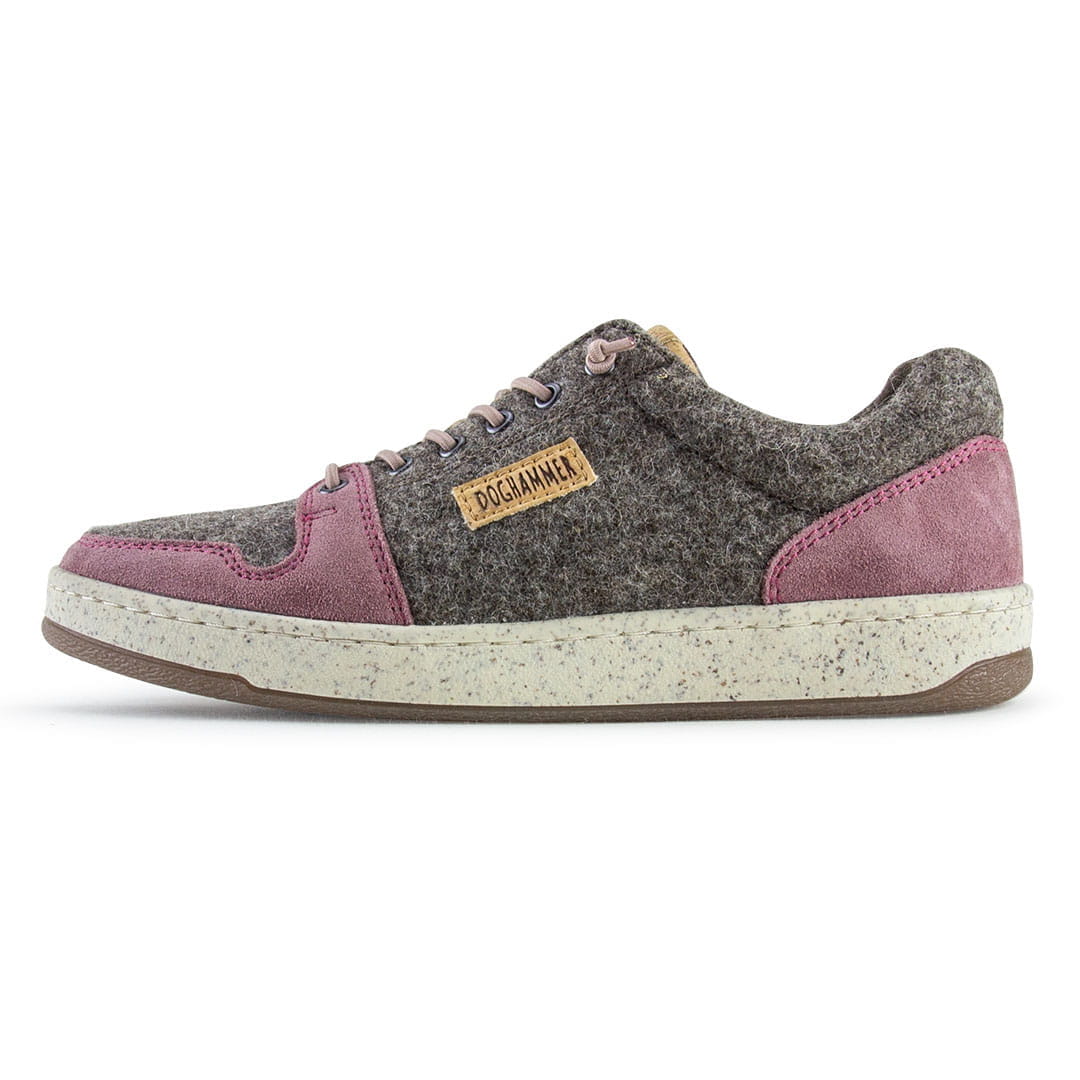
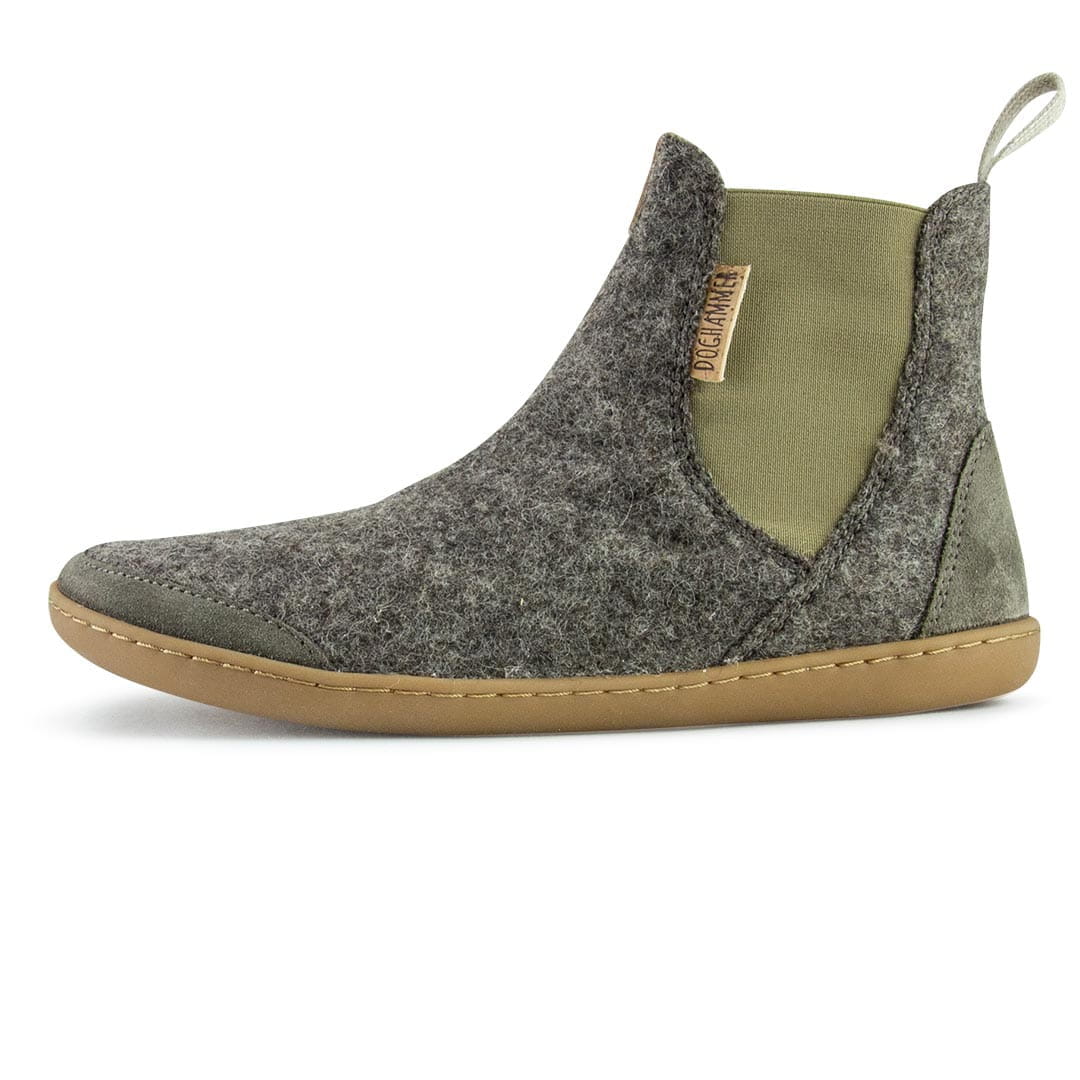
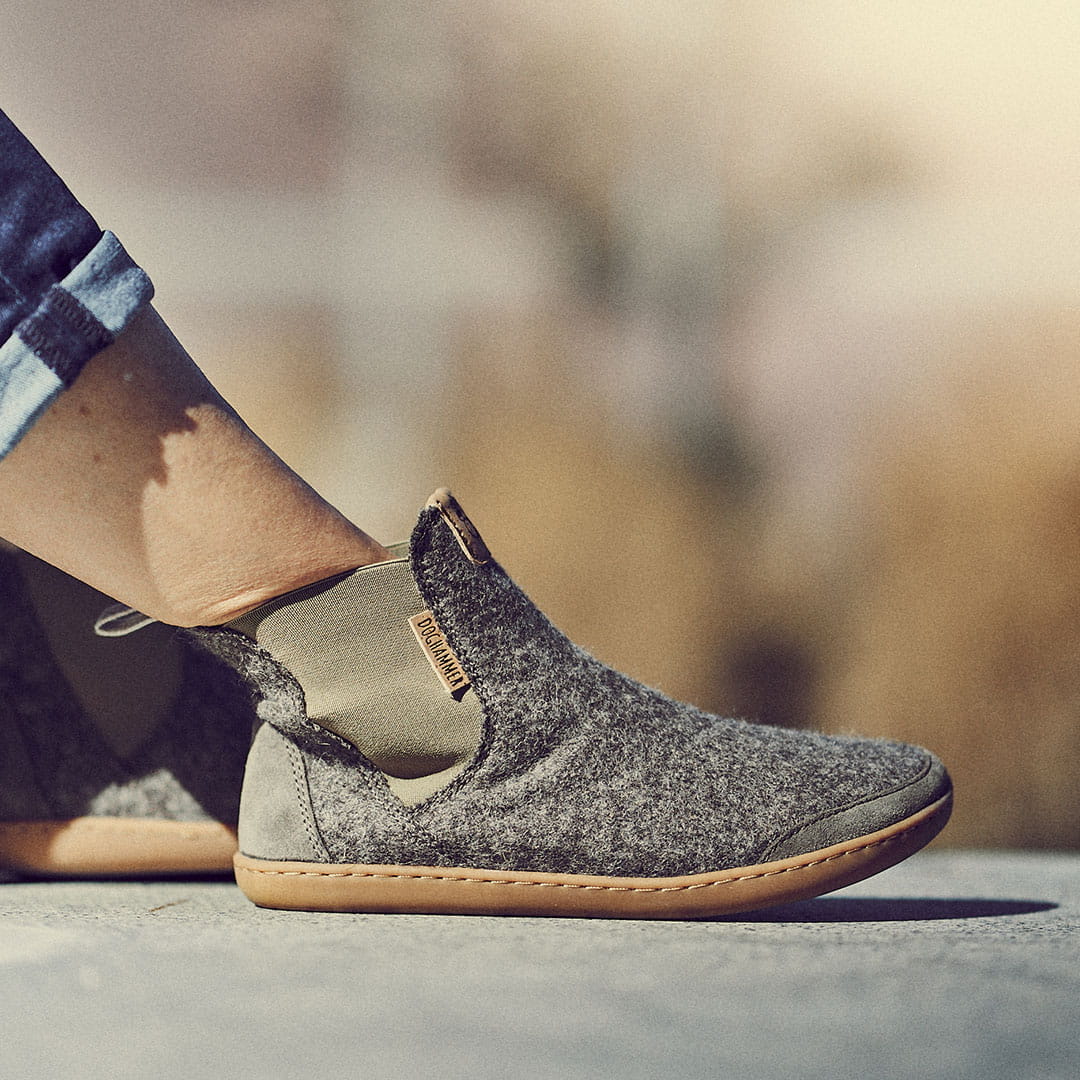
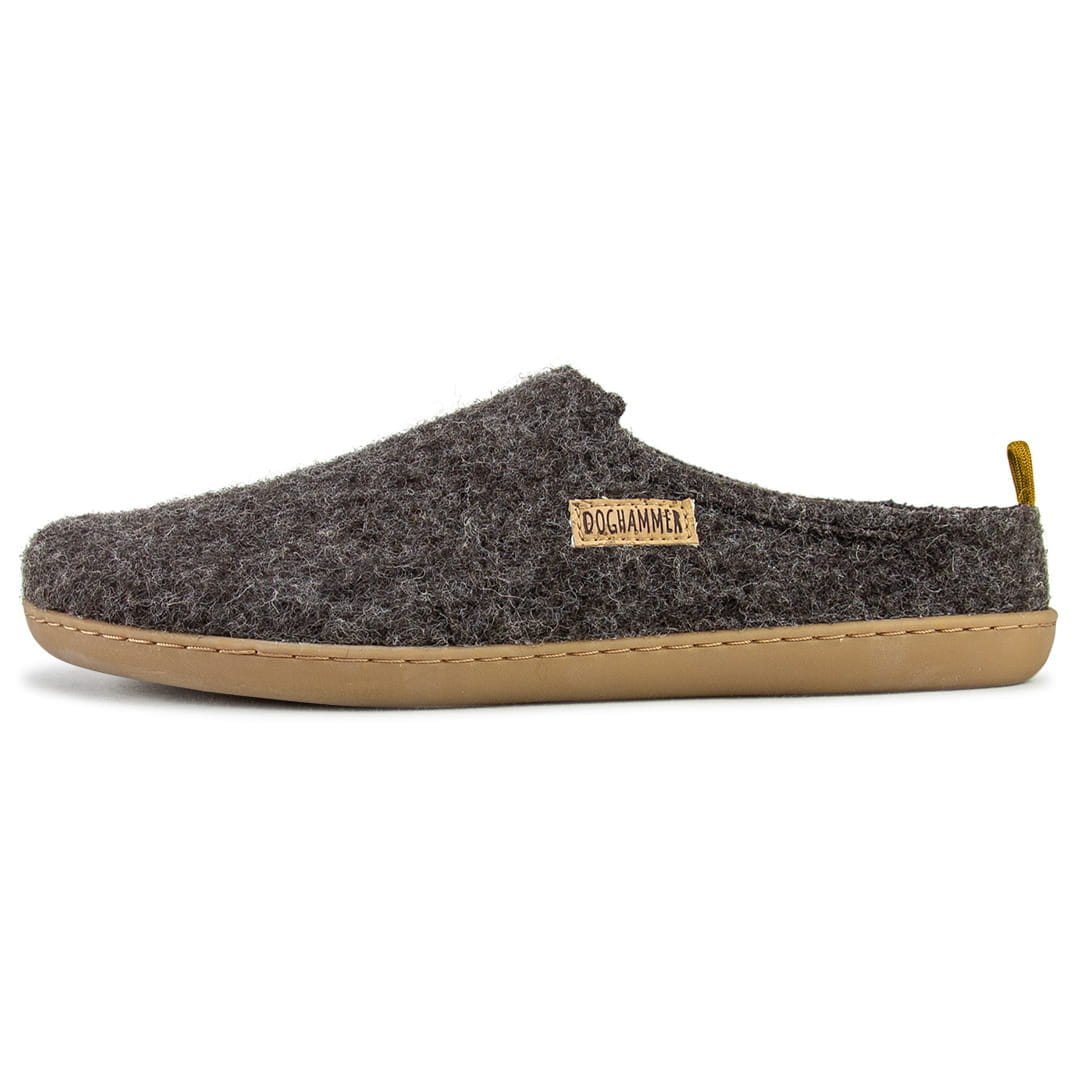
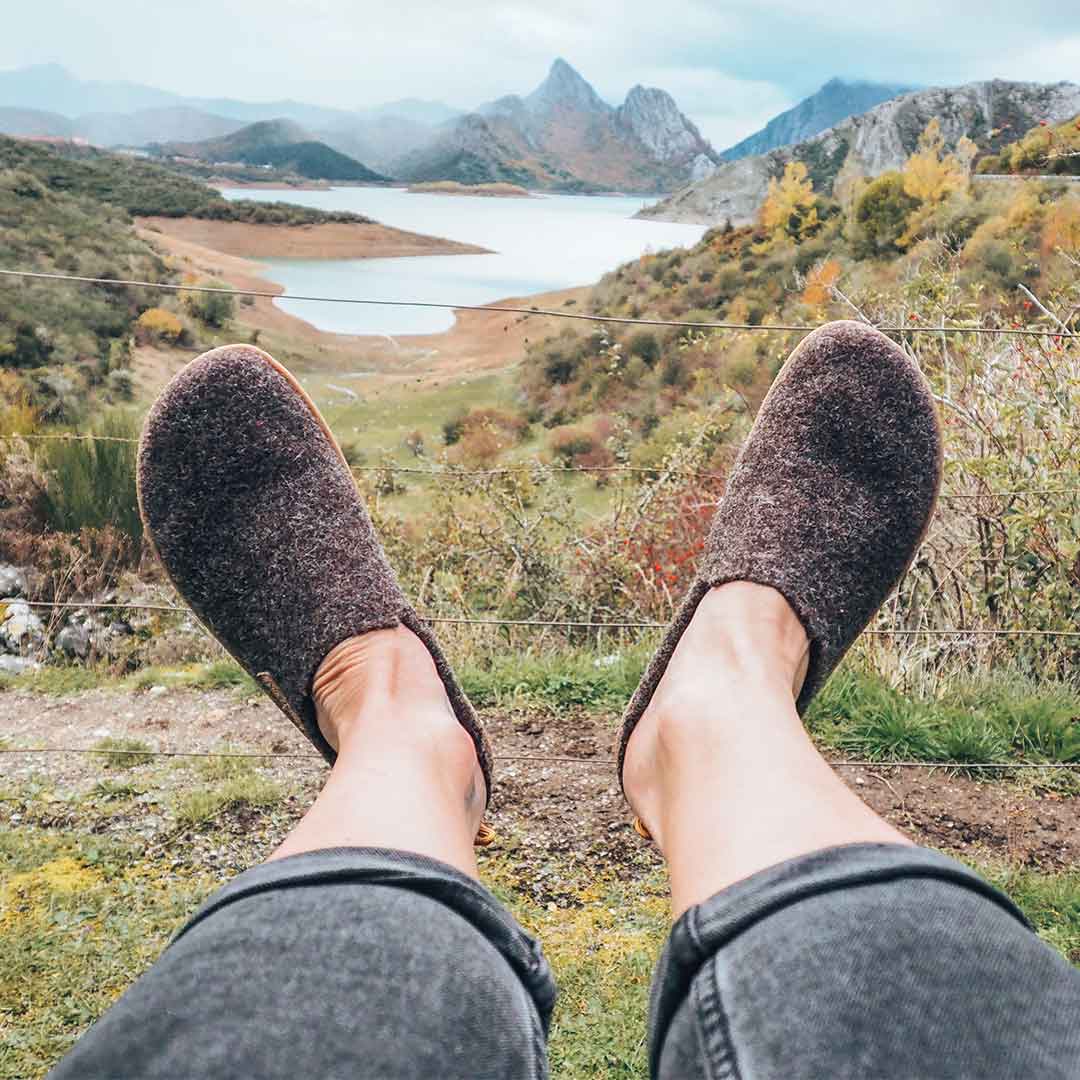
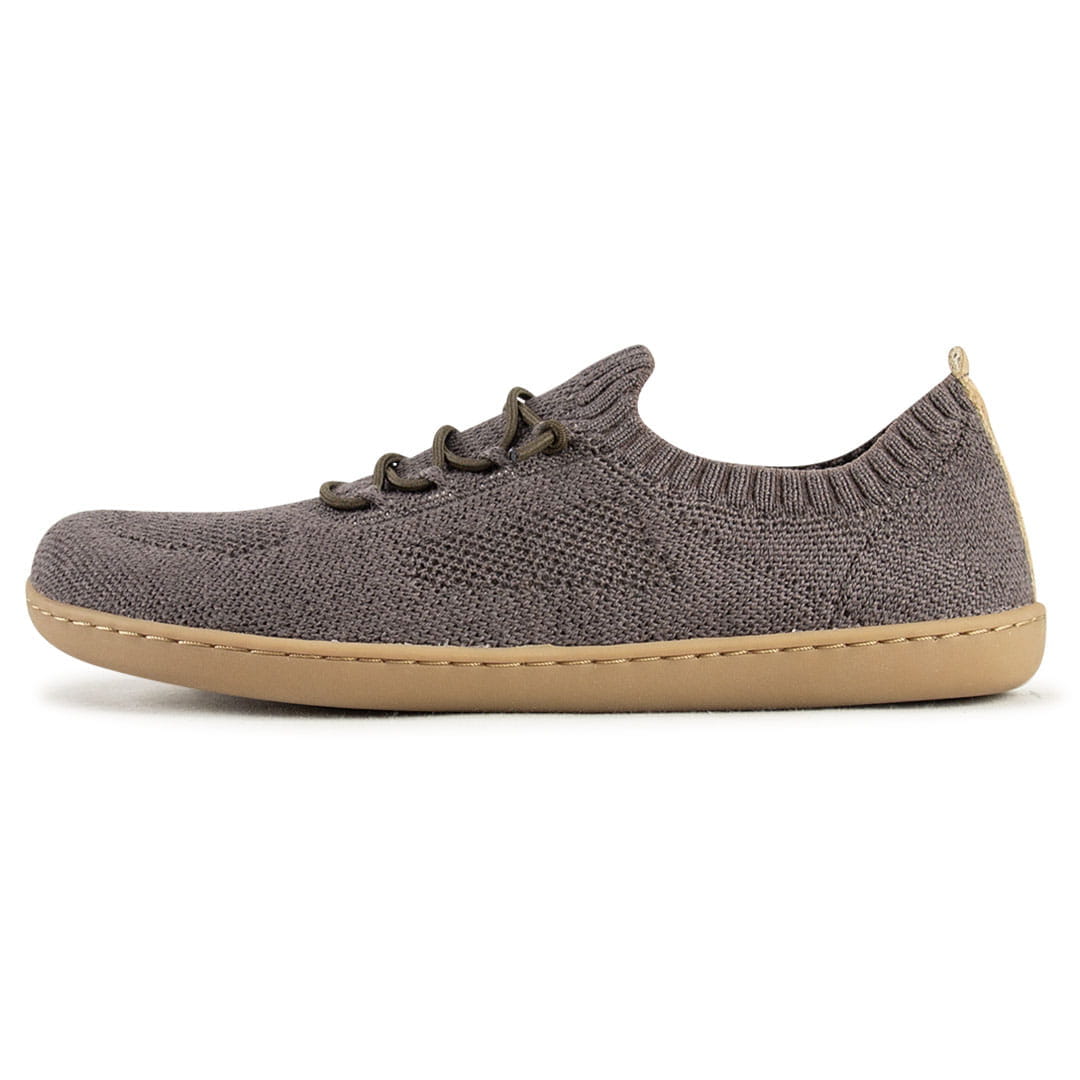
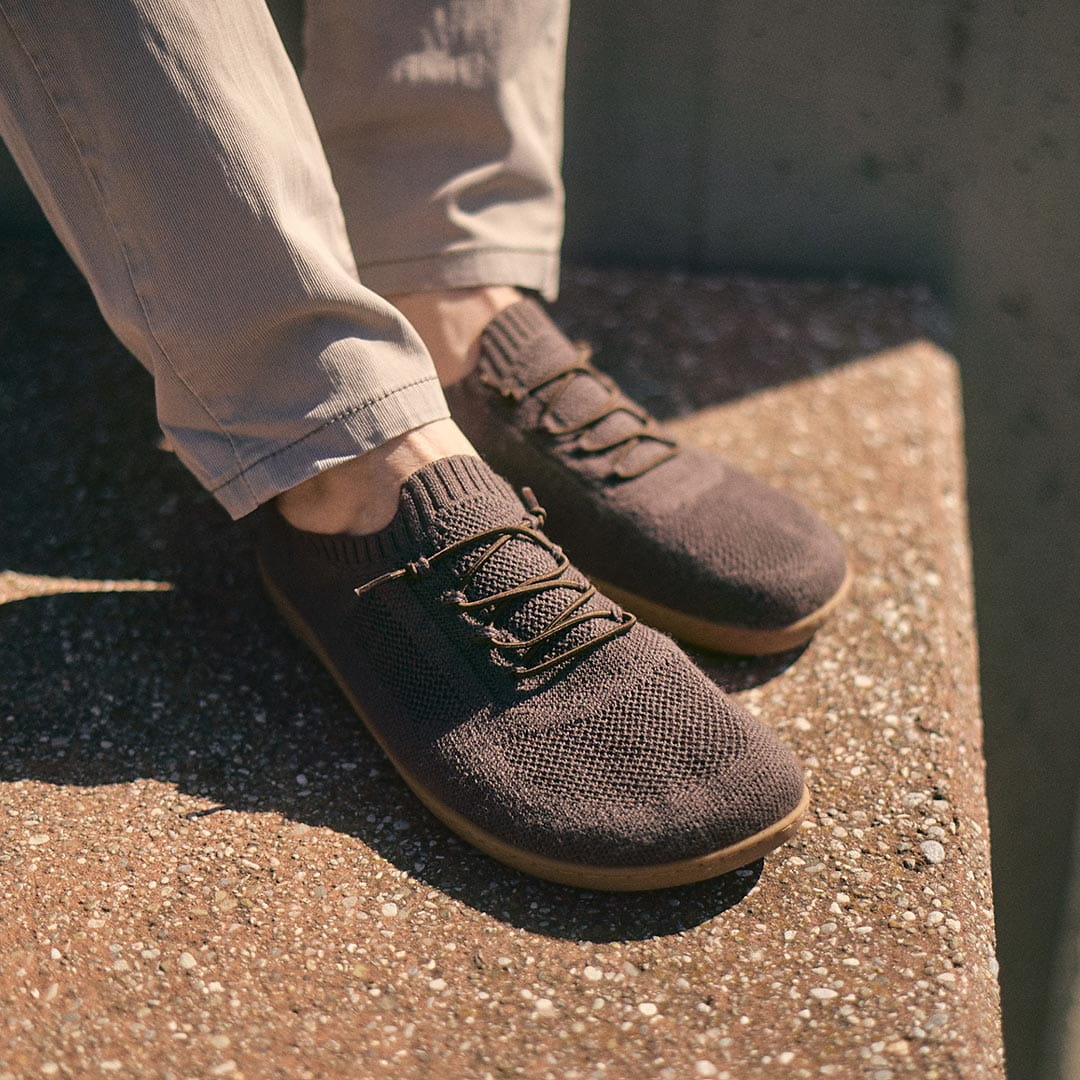
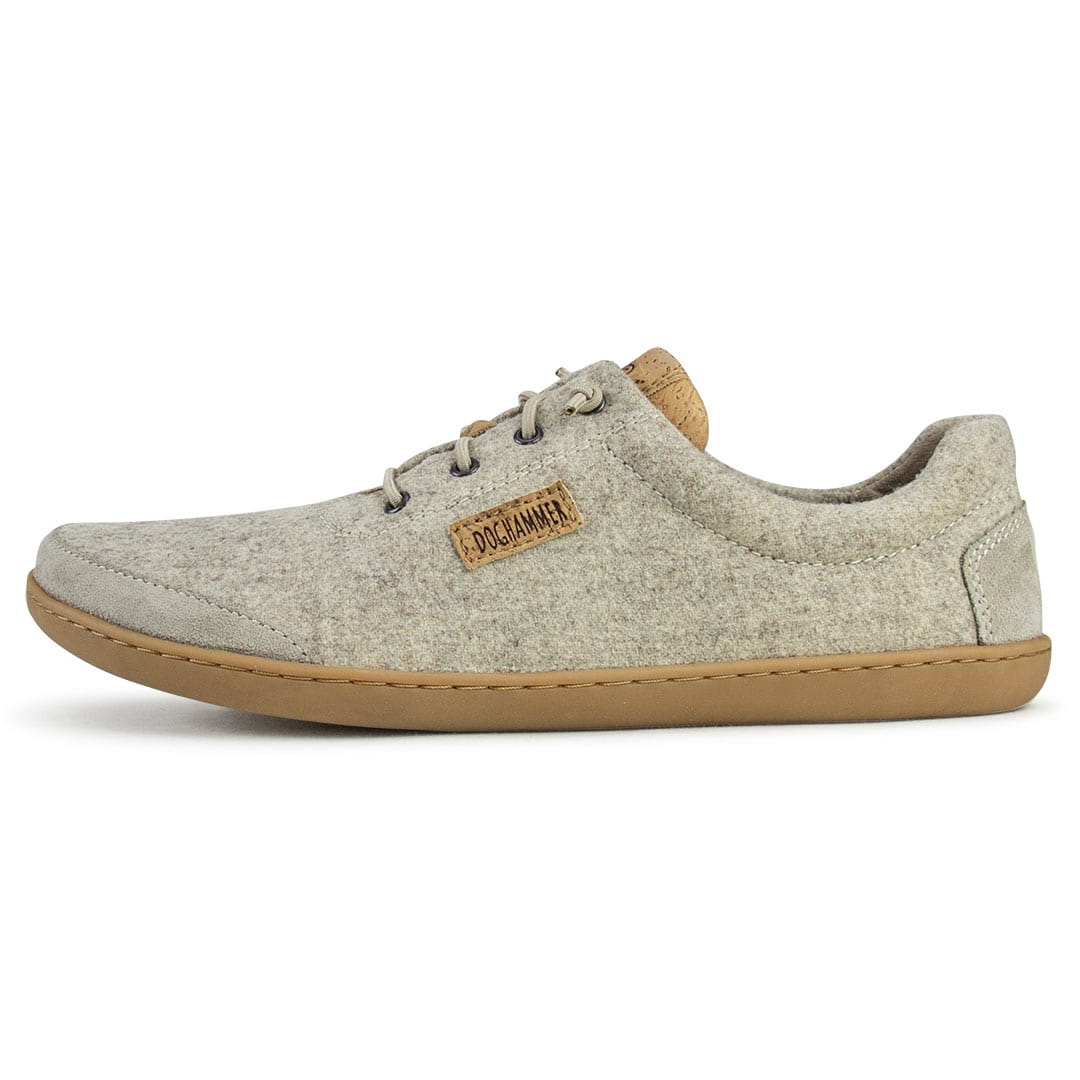
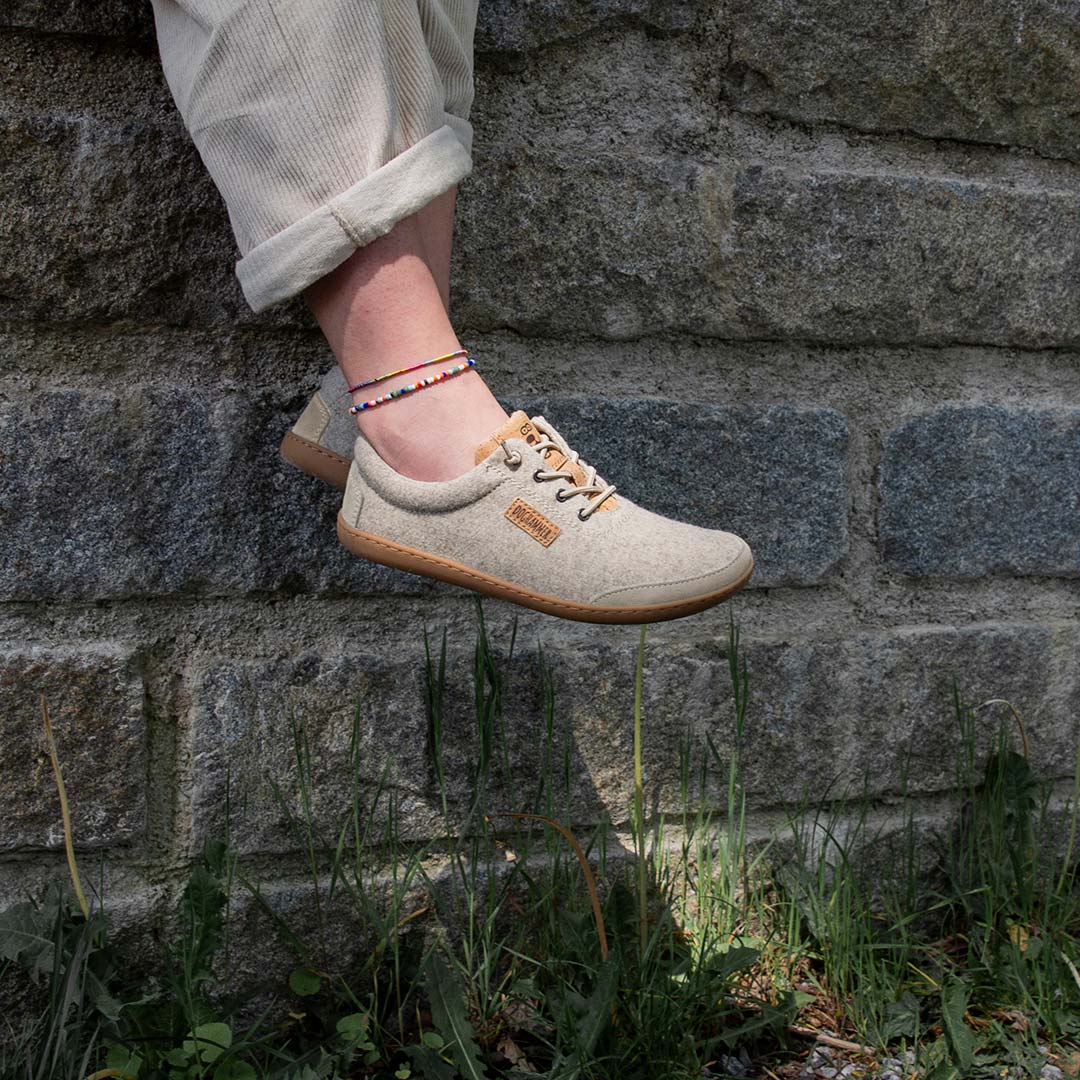
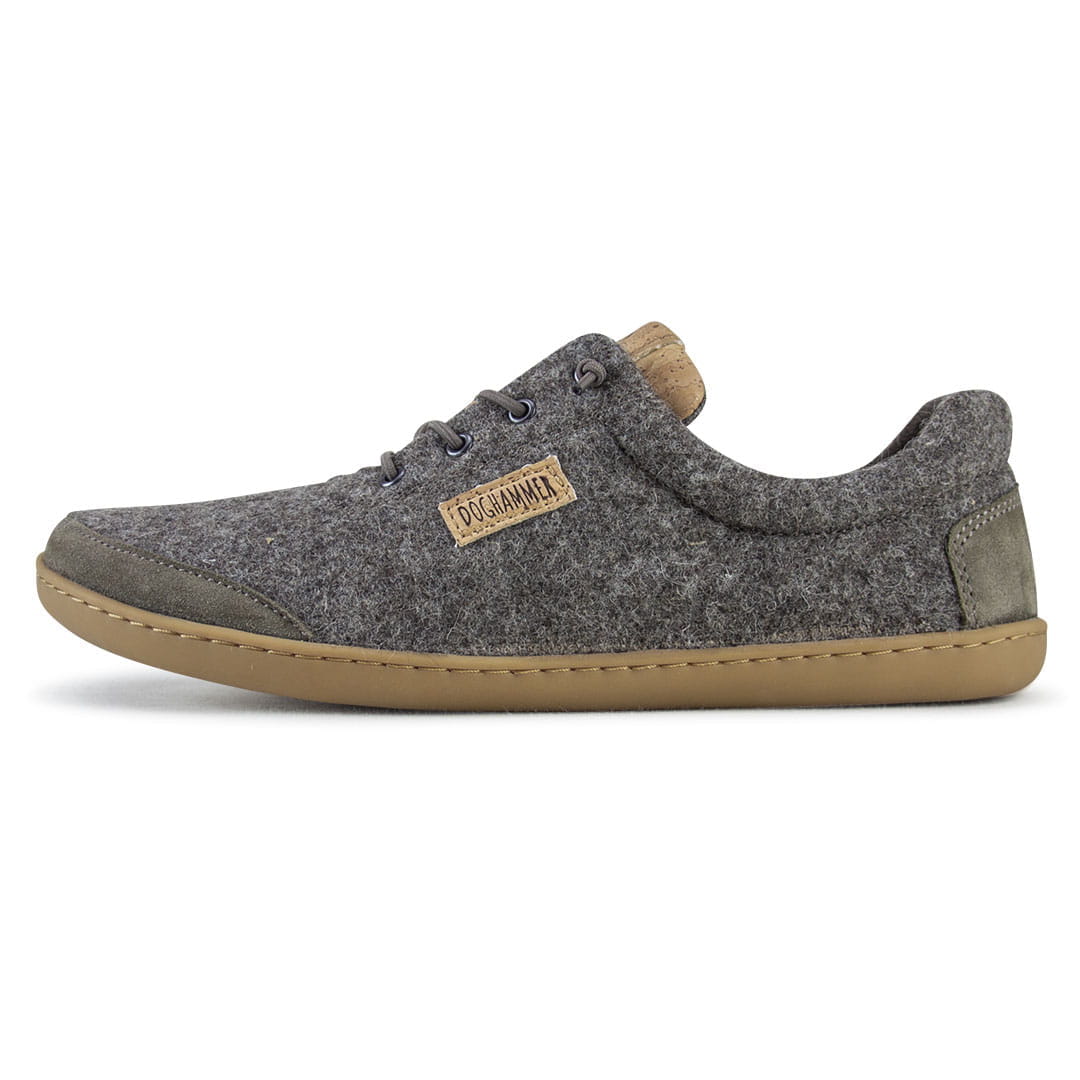
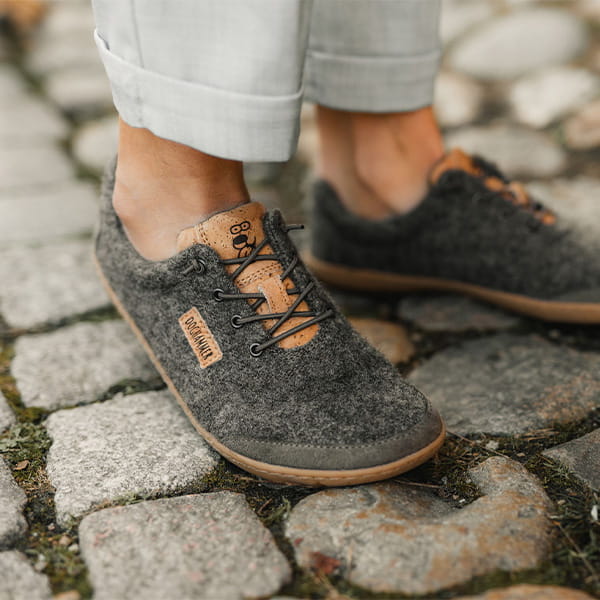
Wool shoes for women aren’t just a real godsend in cold weather – they’re brilliant on warm days too! We stock a range of women’s wool shoes, from hut shoes and wool Chelsea boots to barefoot-style wool shoes. Wool impresses with its properties: it regulates temperature, is breathable, antibacterial and water-repellent. See for yourself how great our woollen shoes for women are!

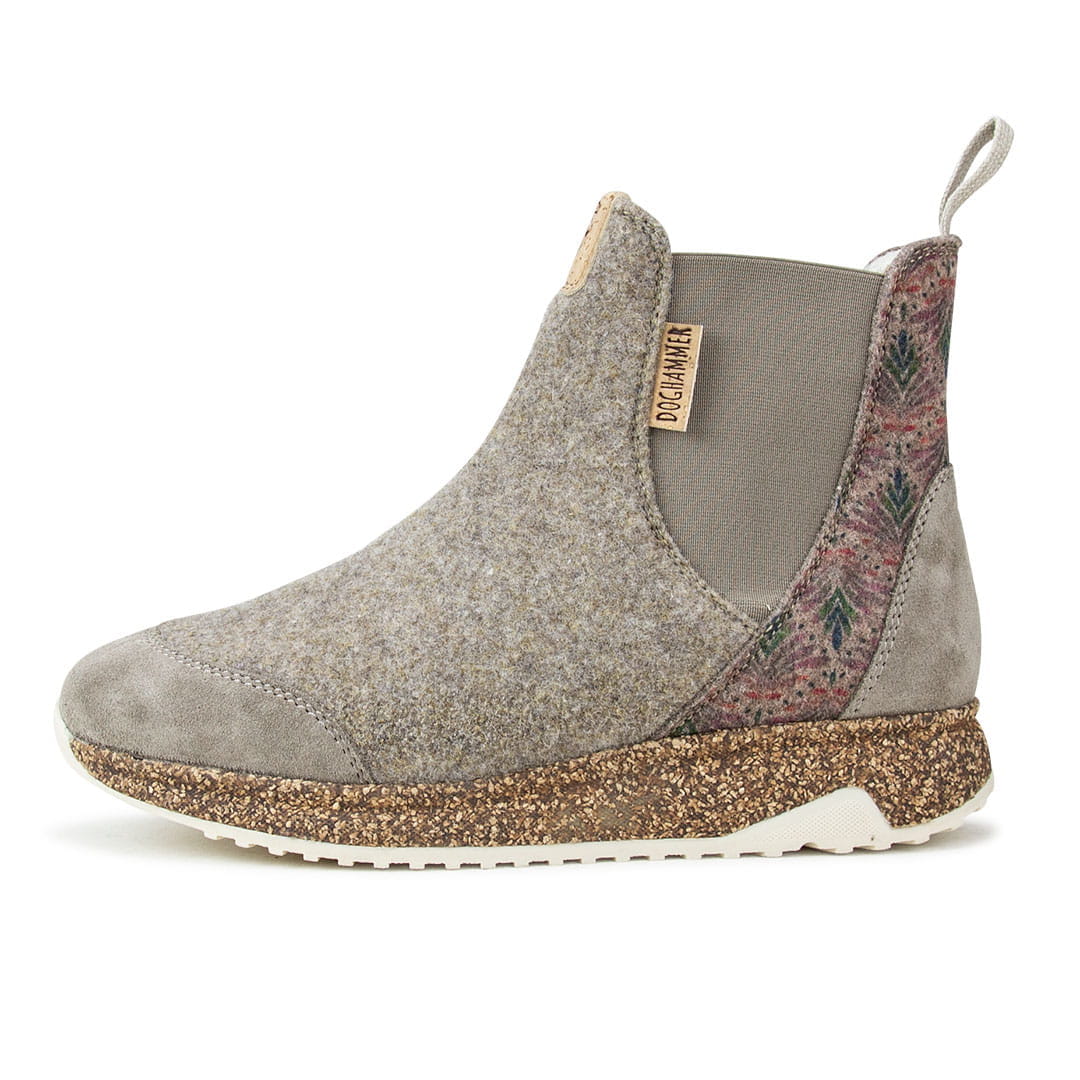
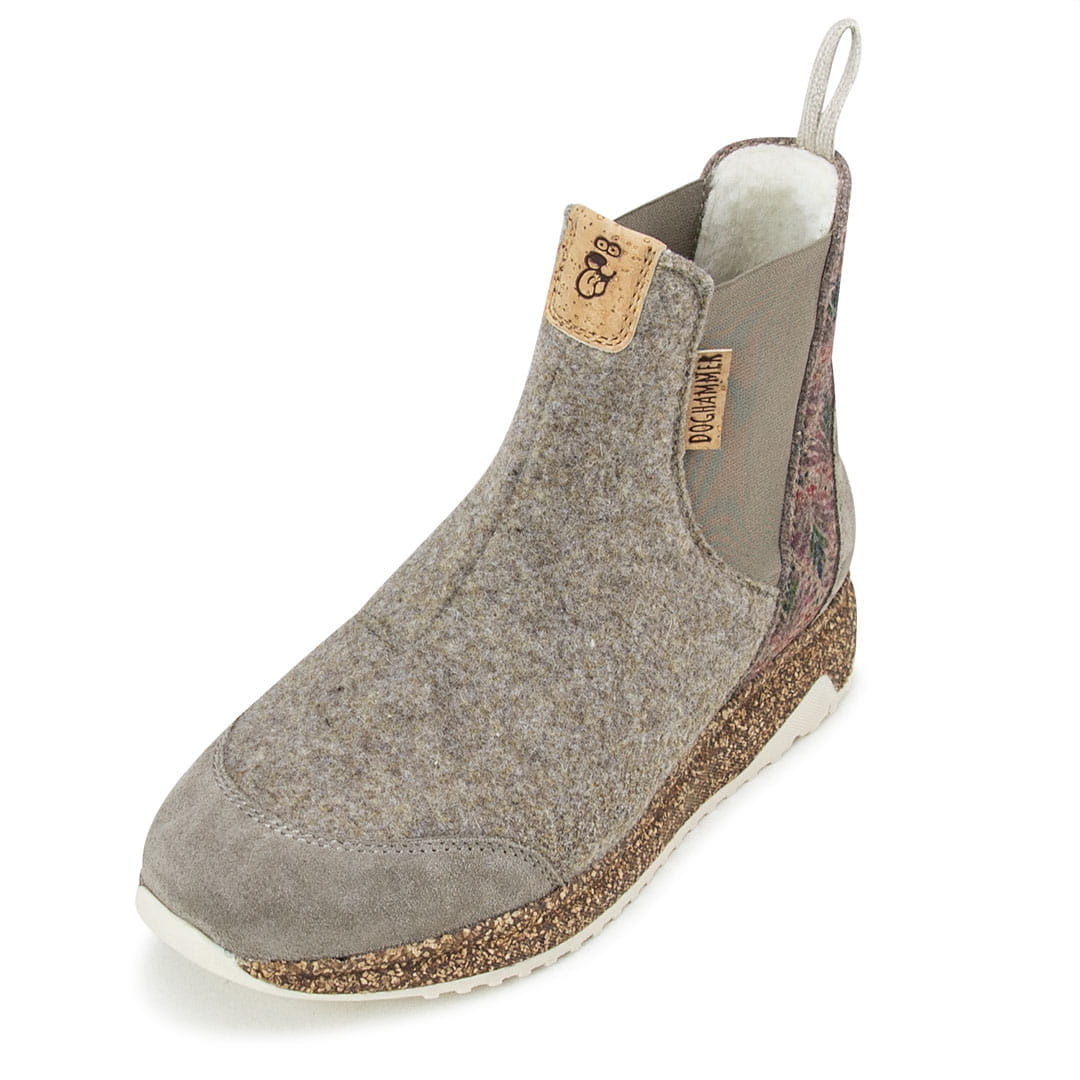
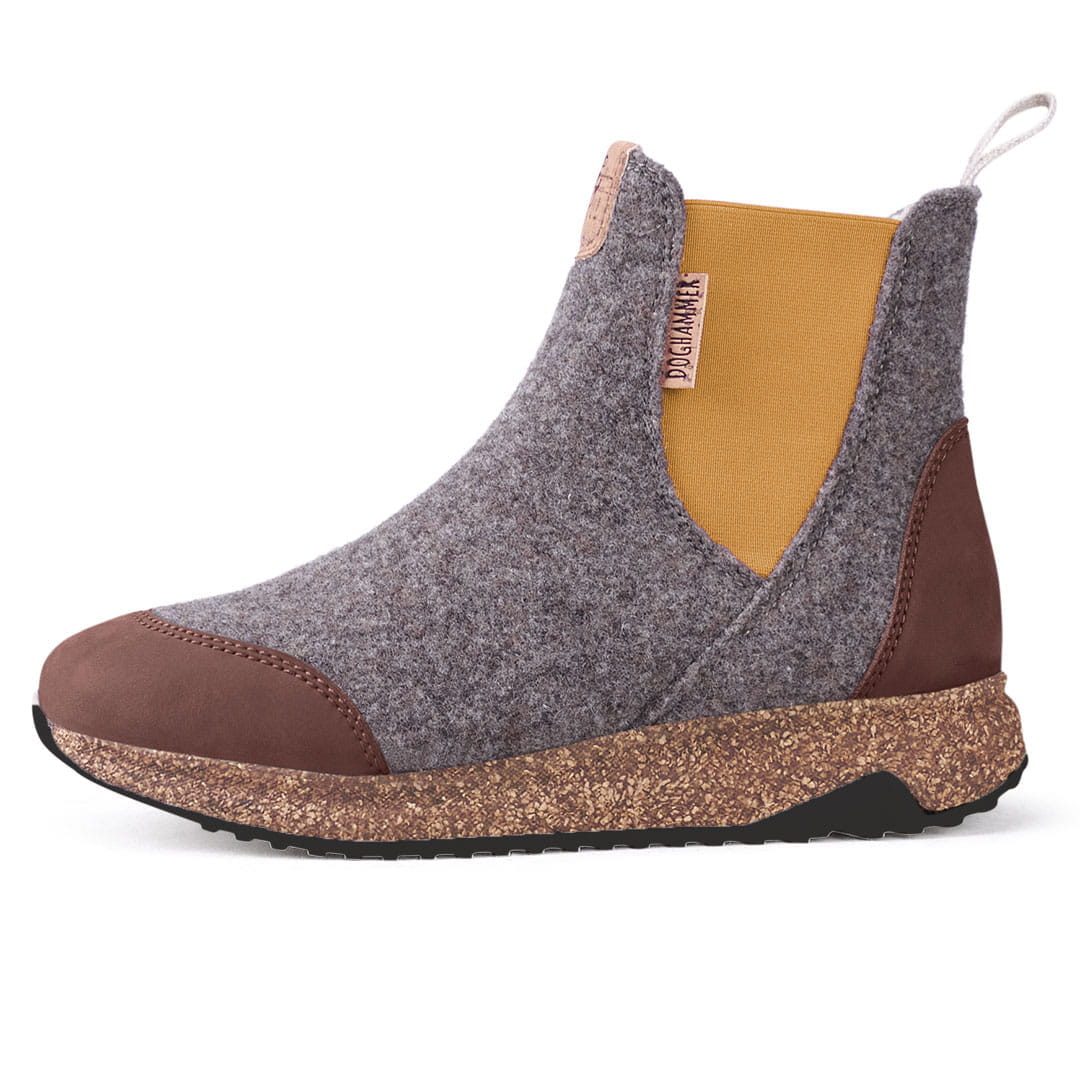
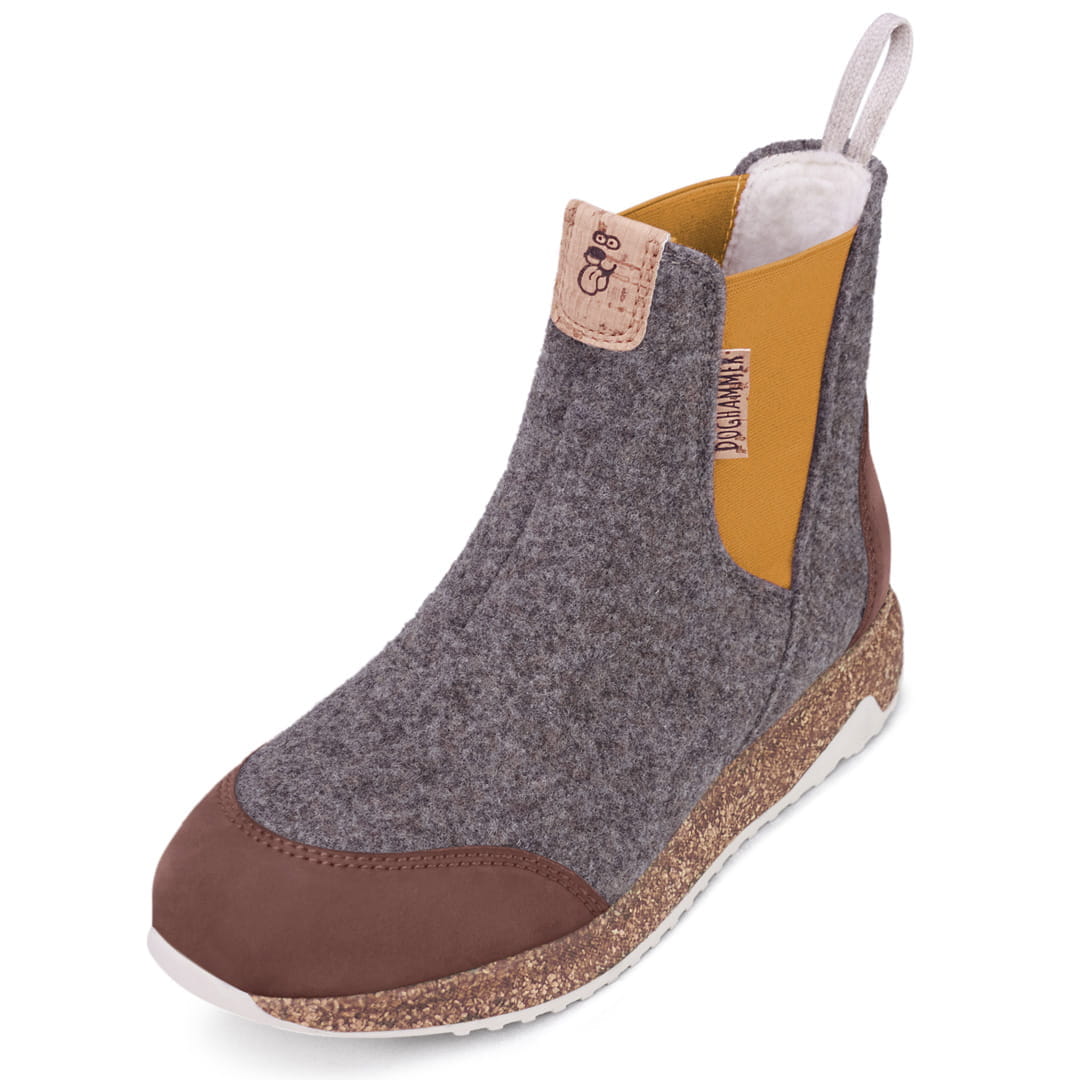


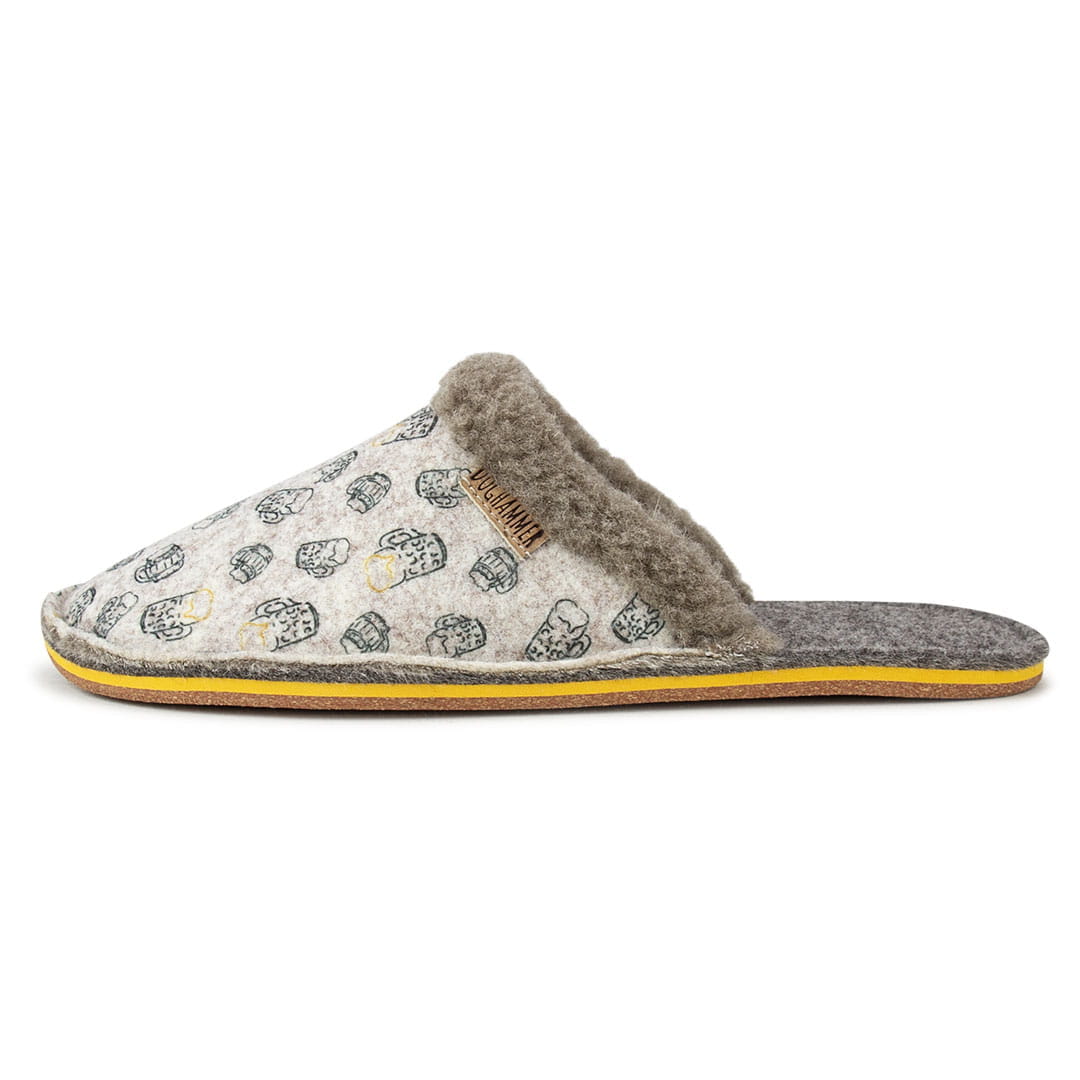
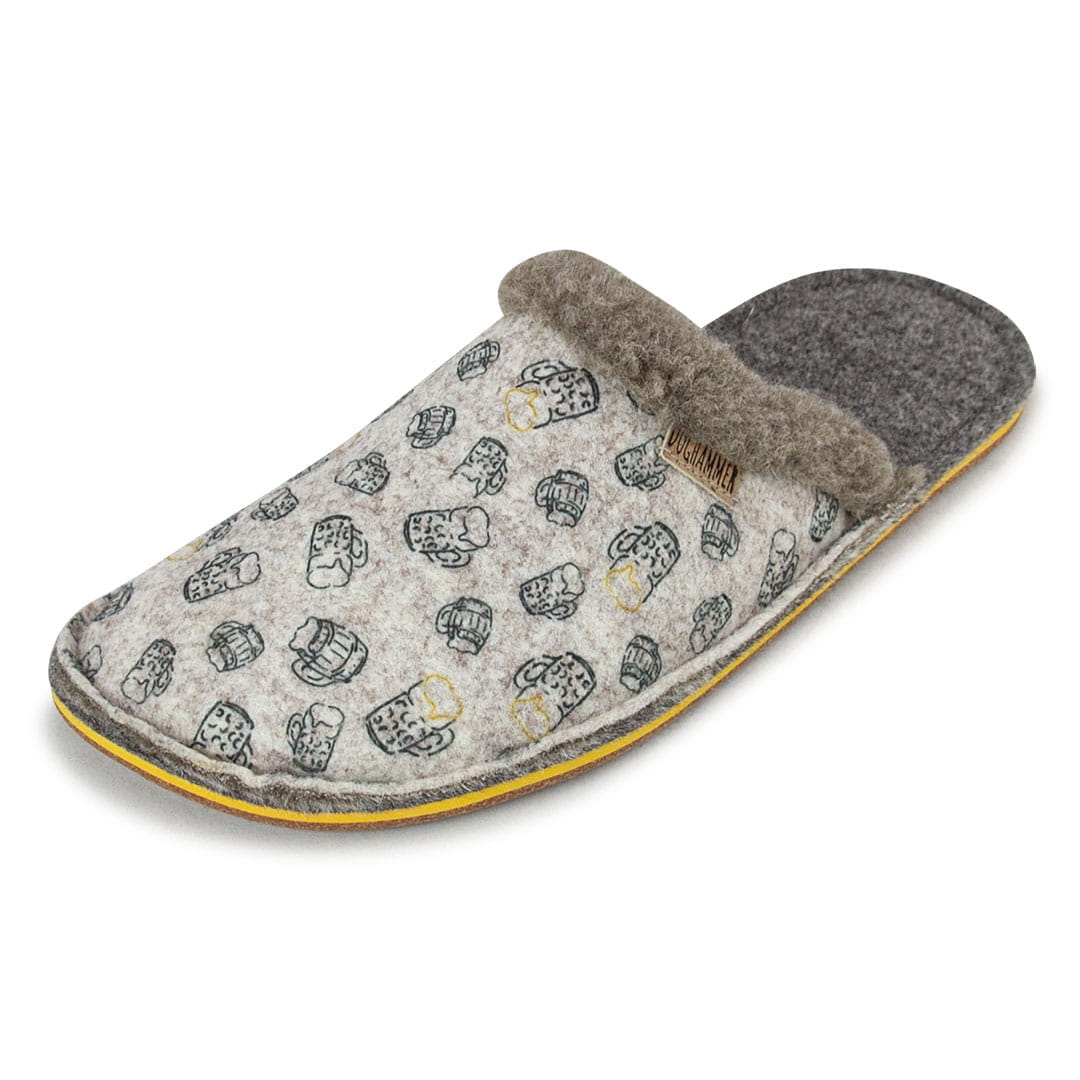
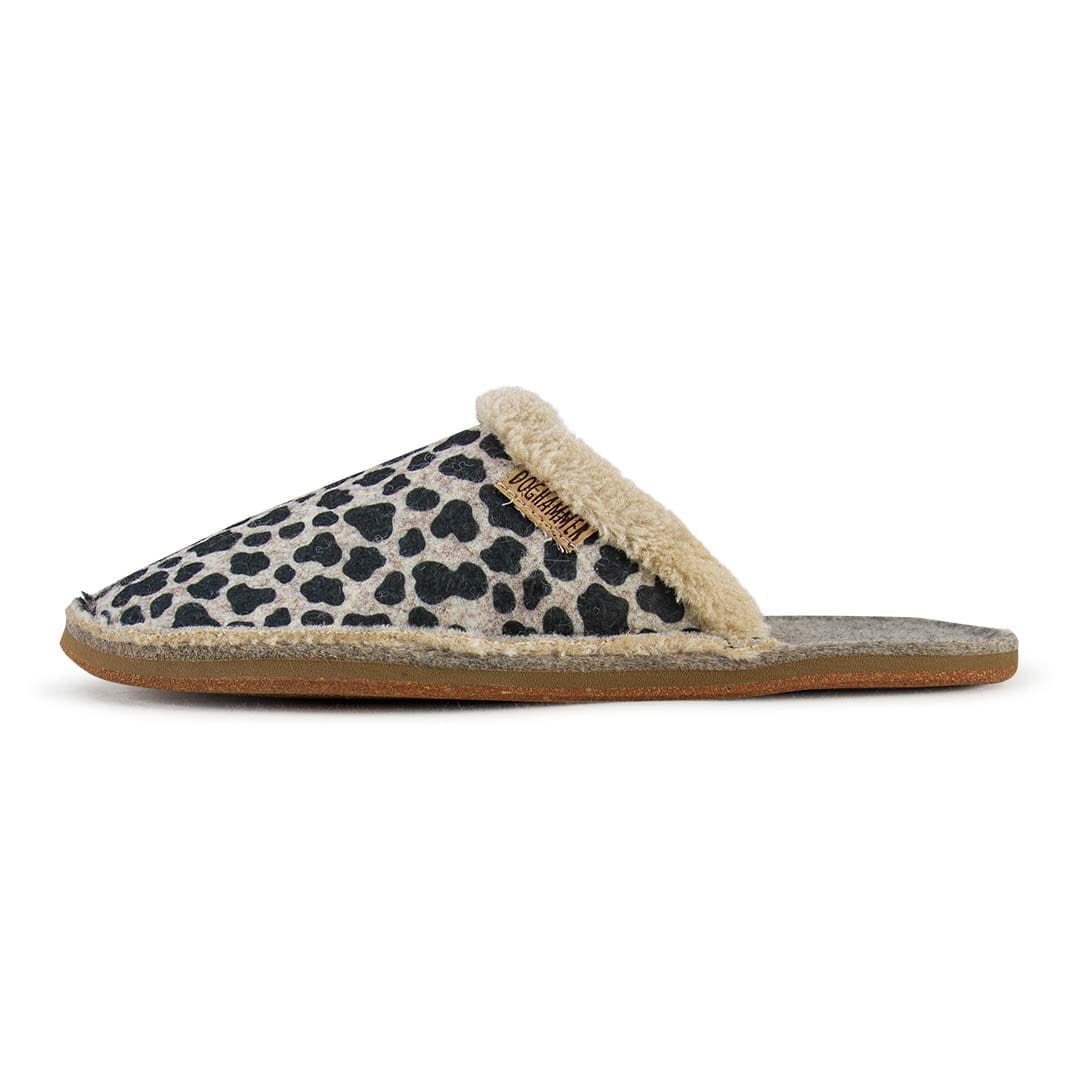
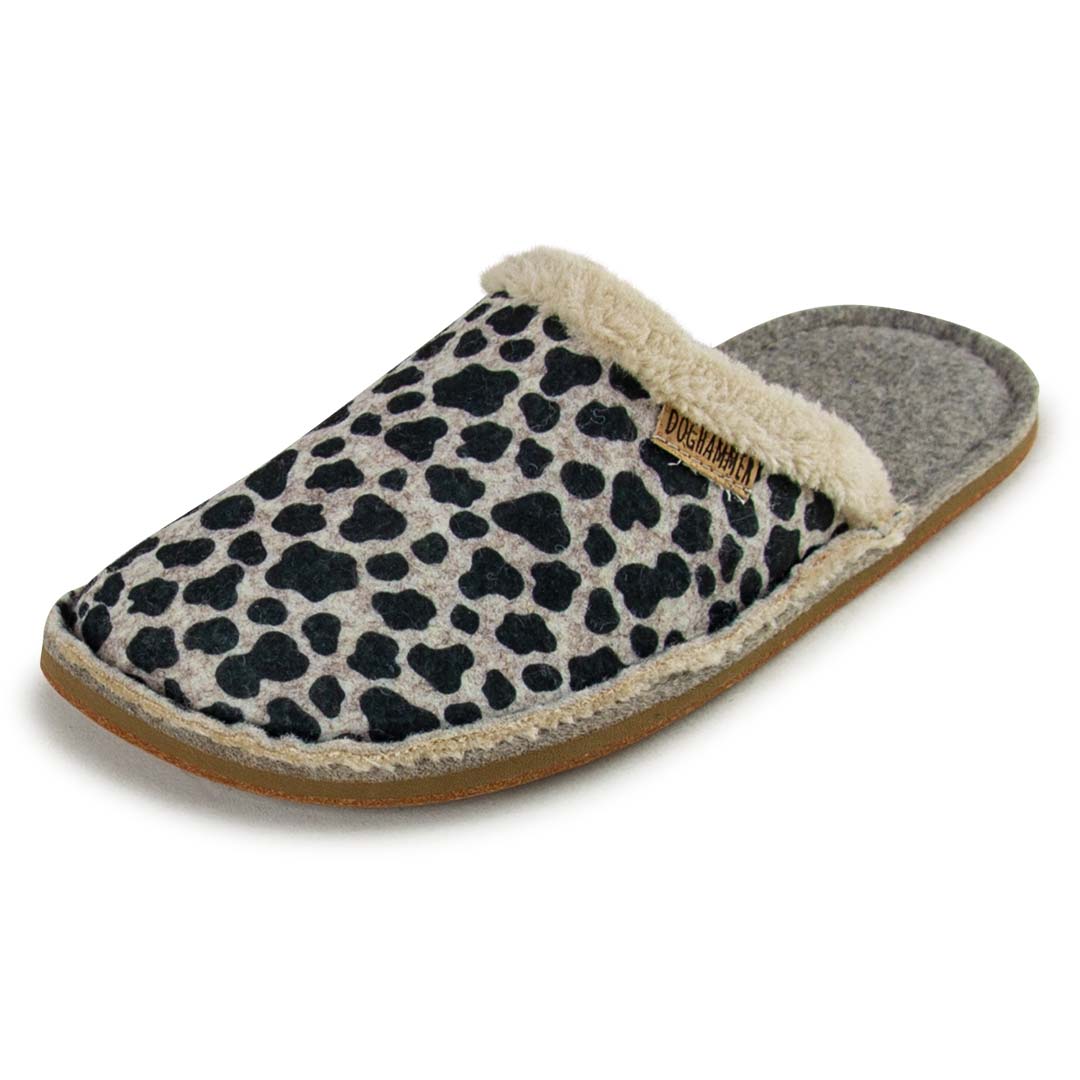
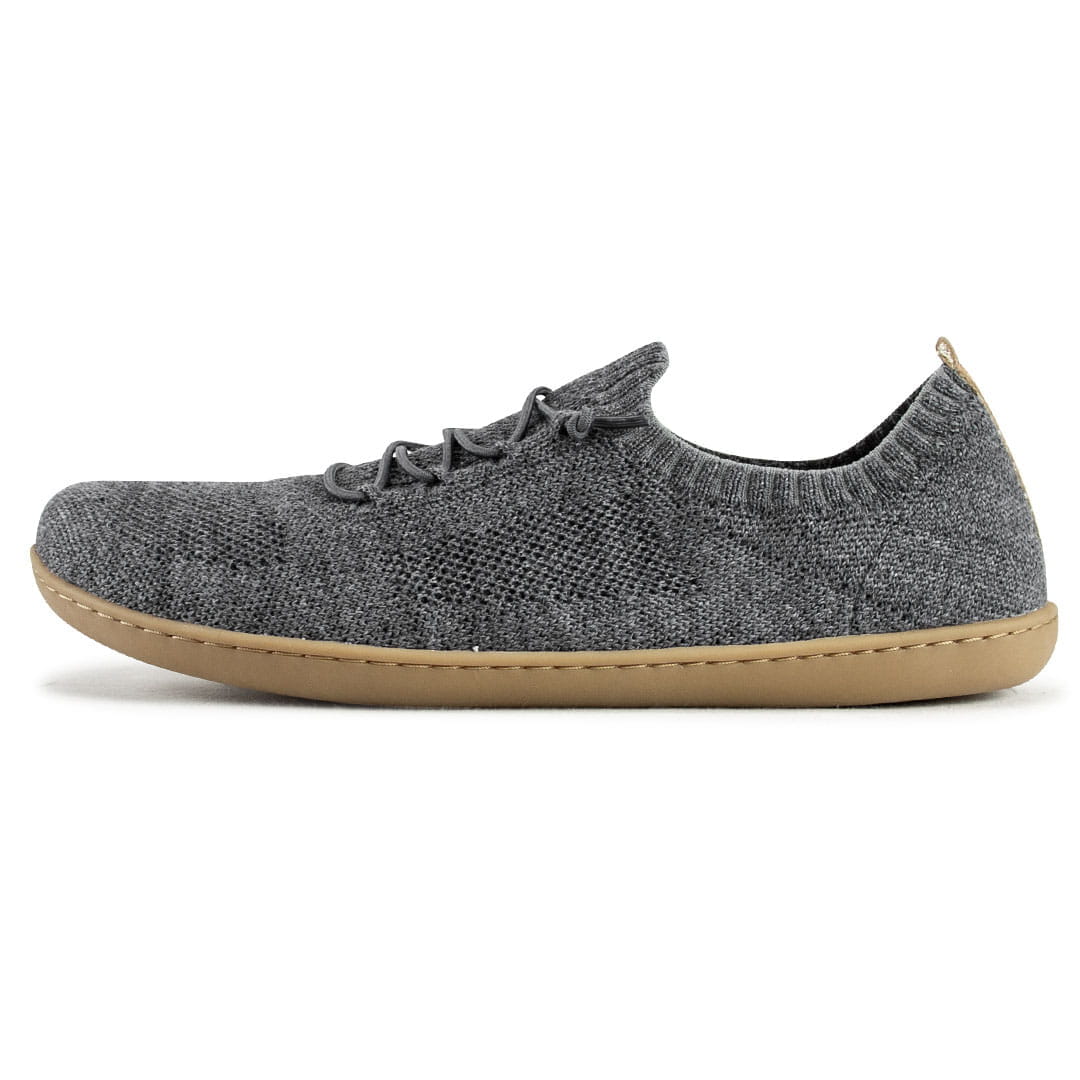

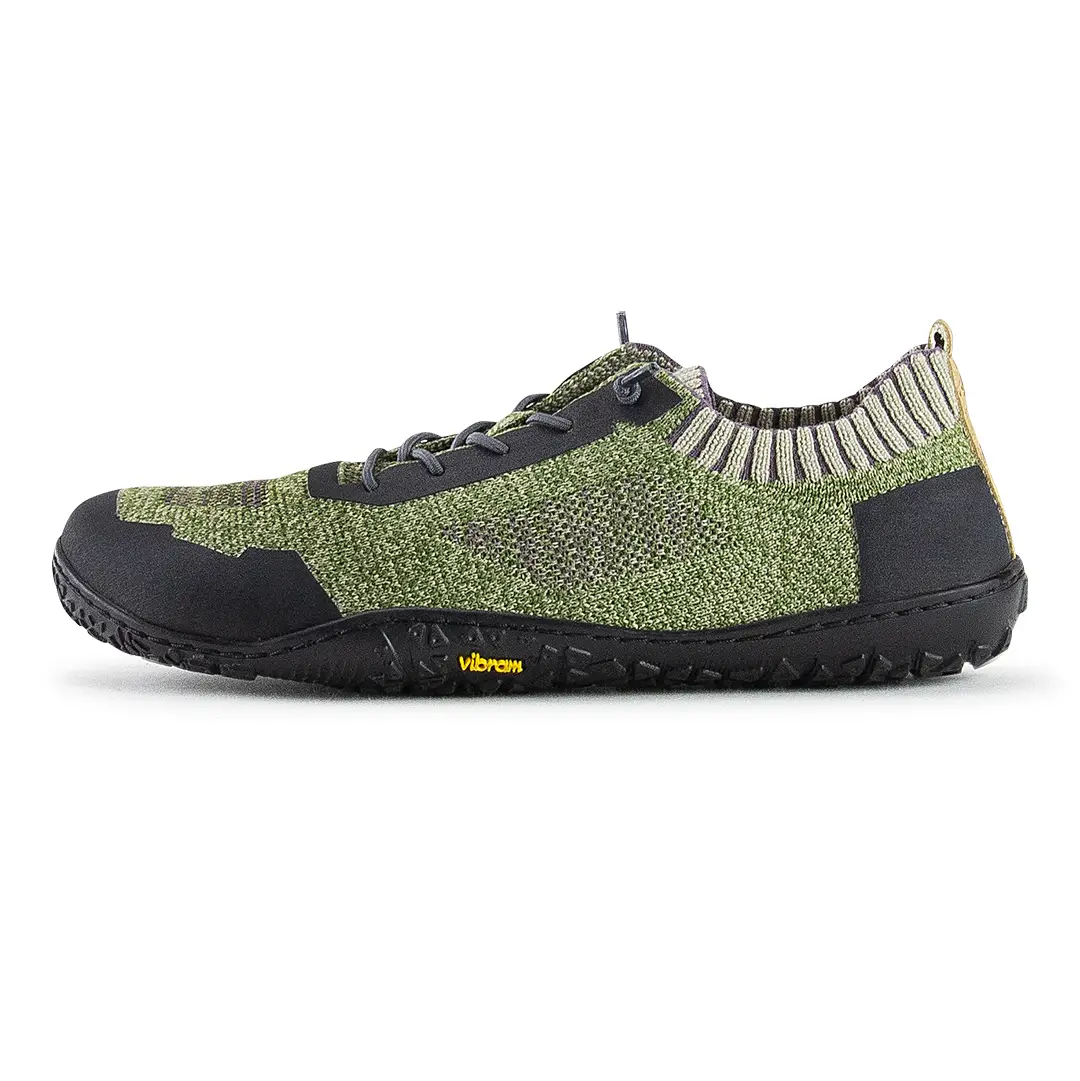

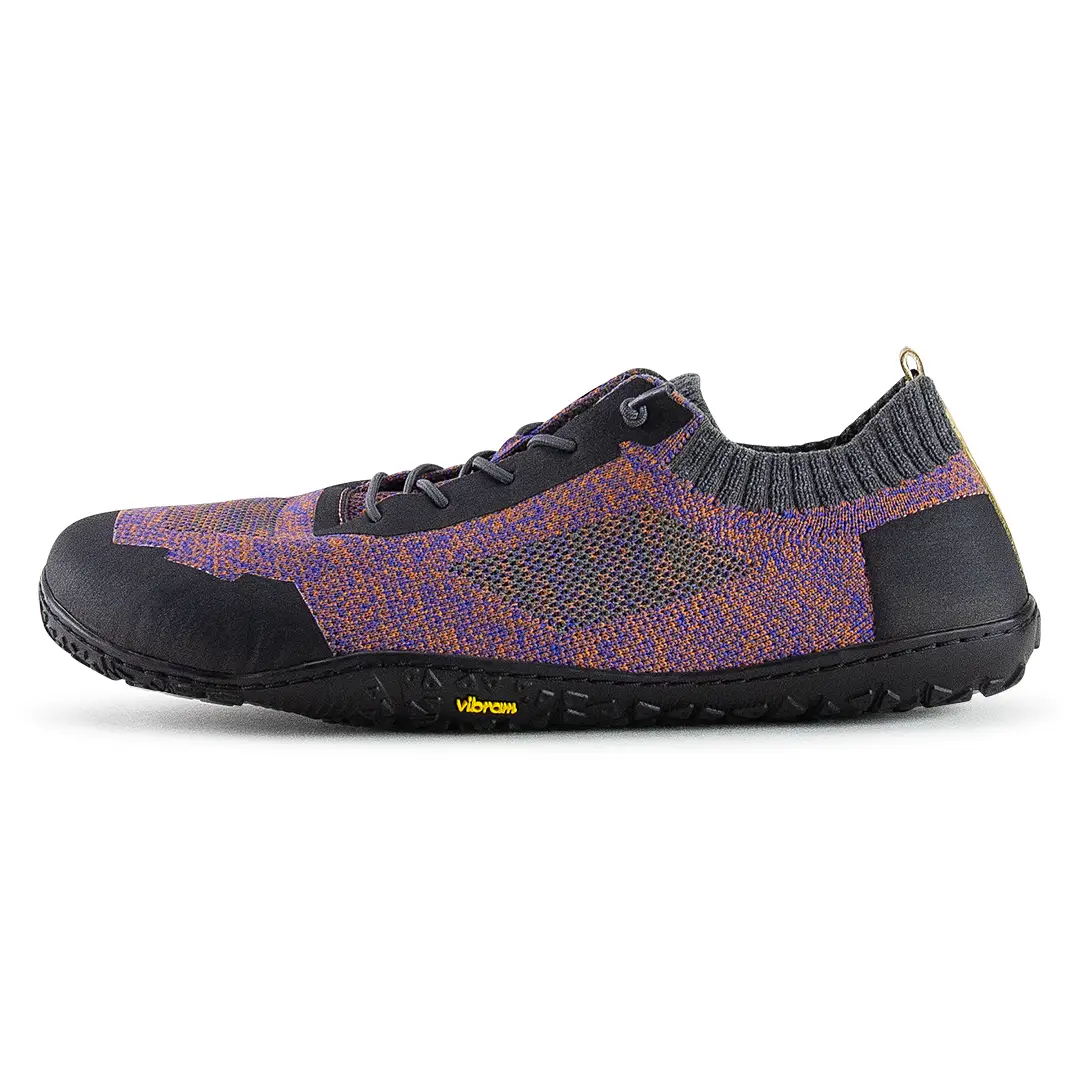
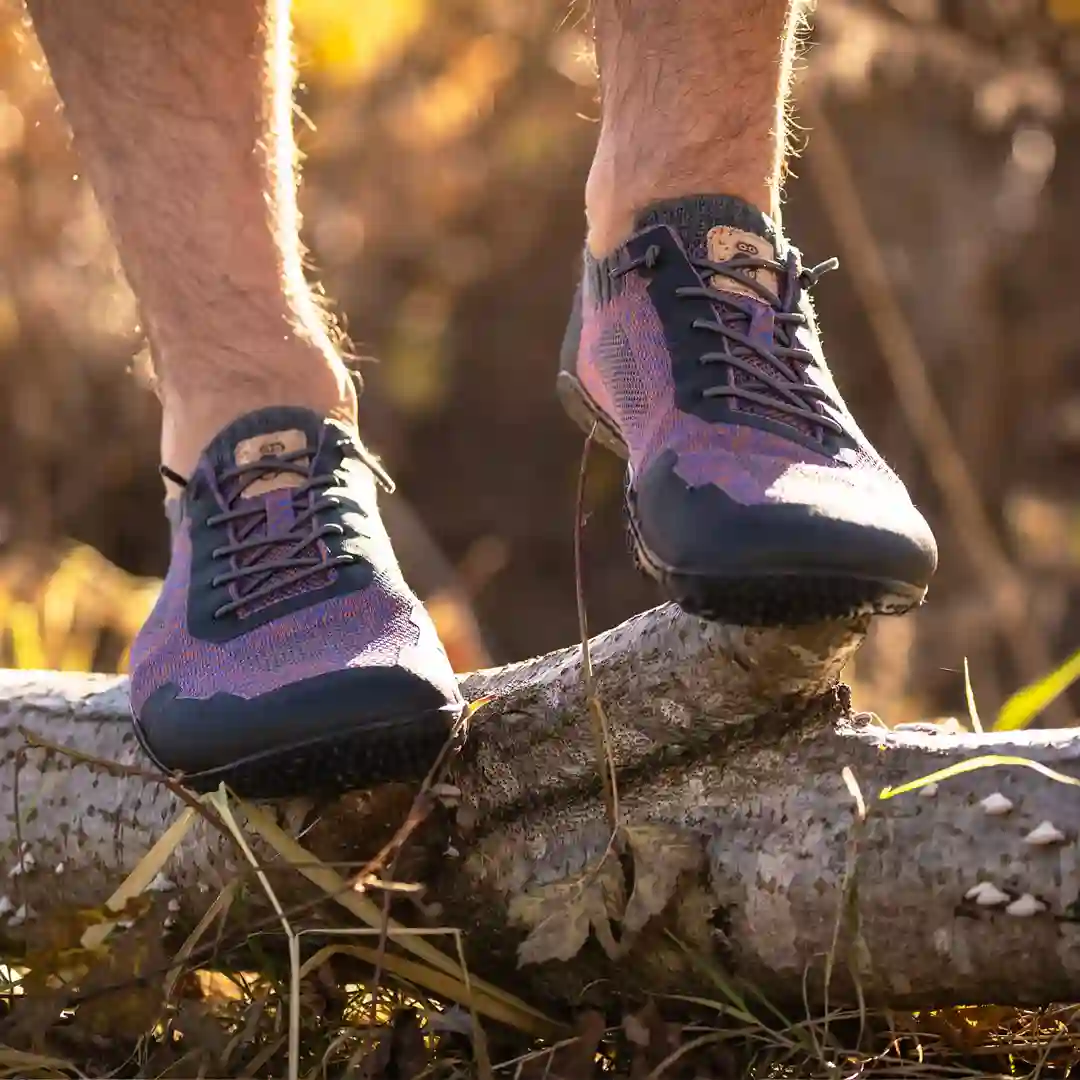
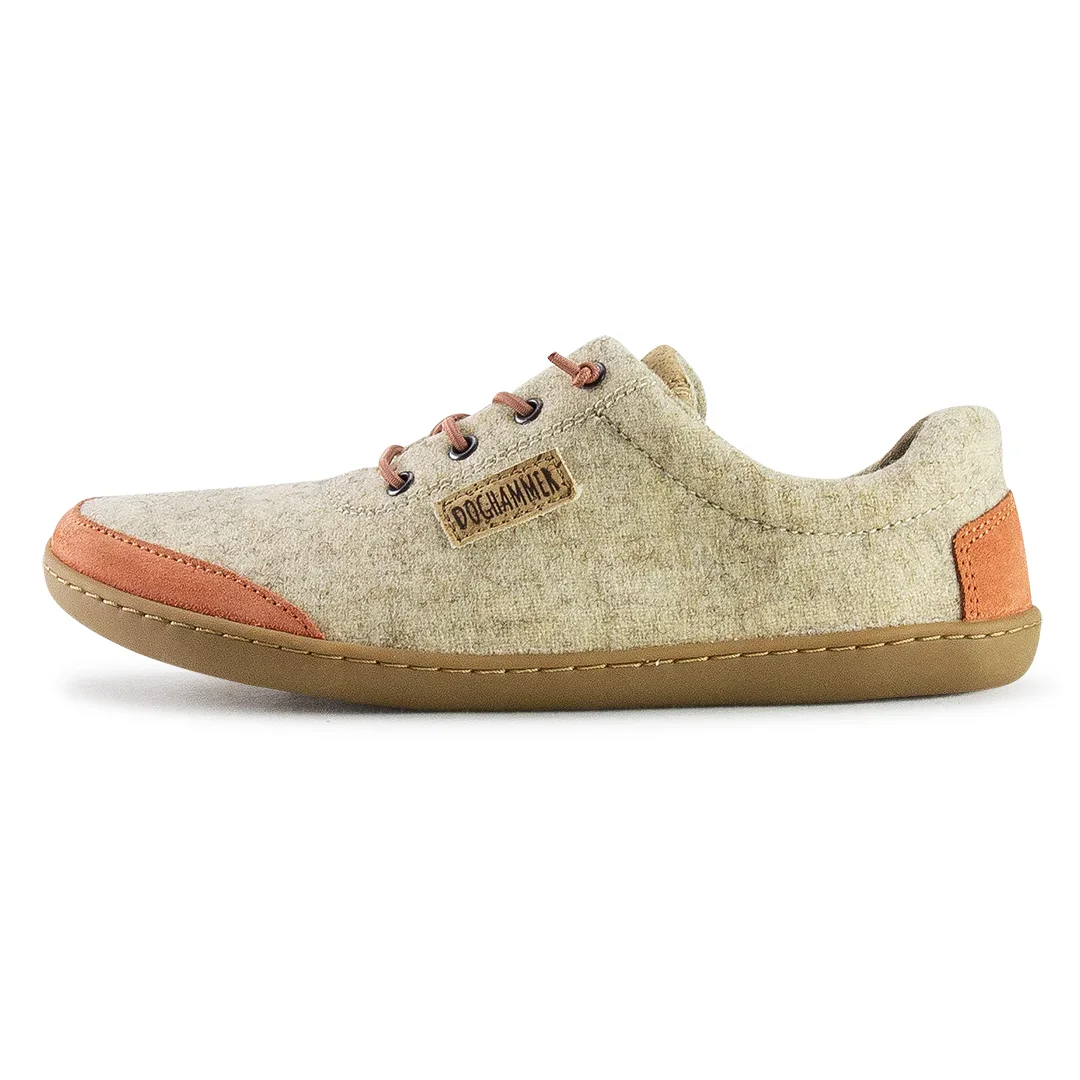

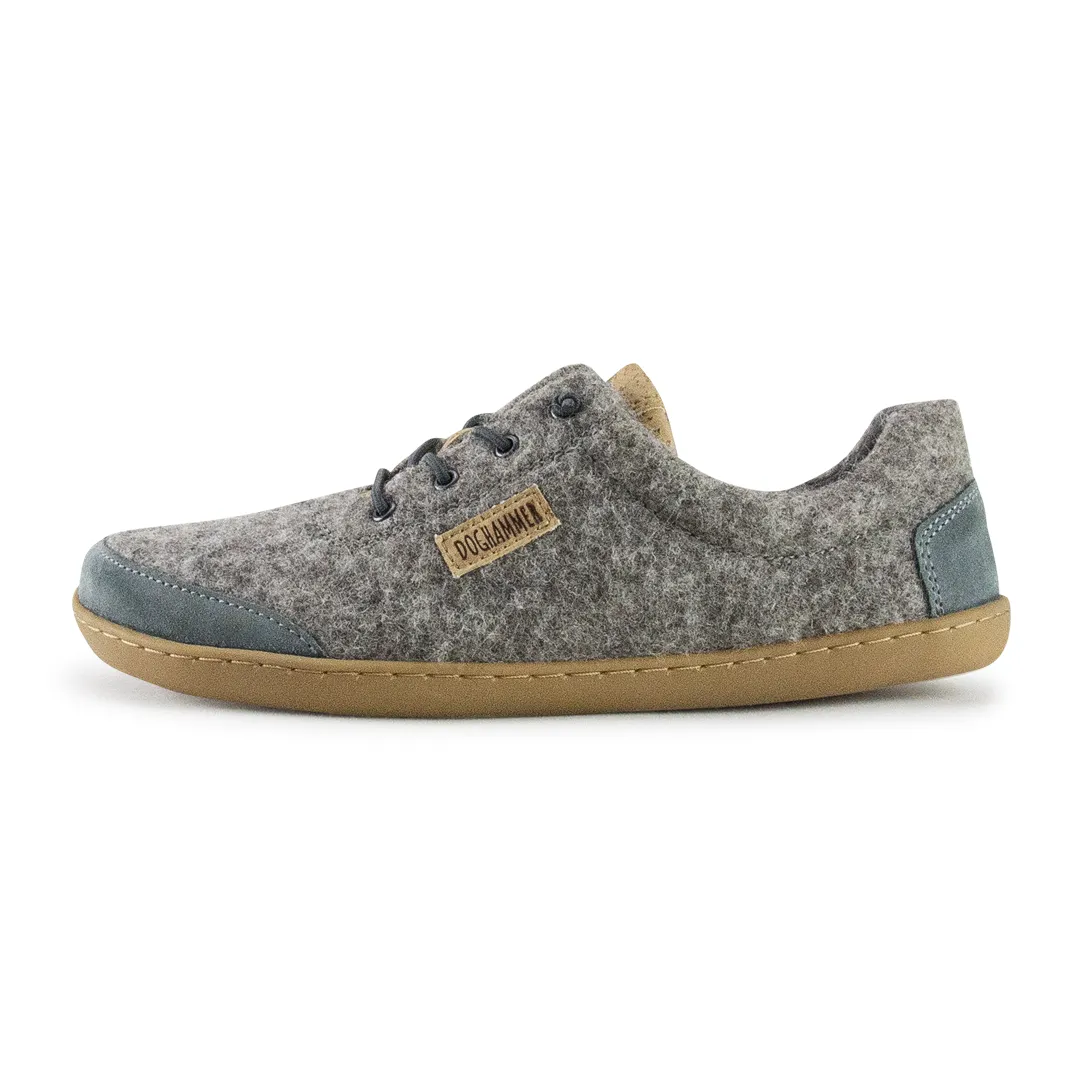
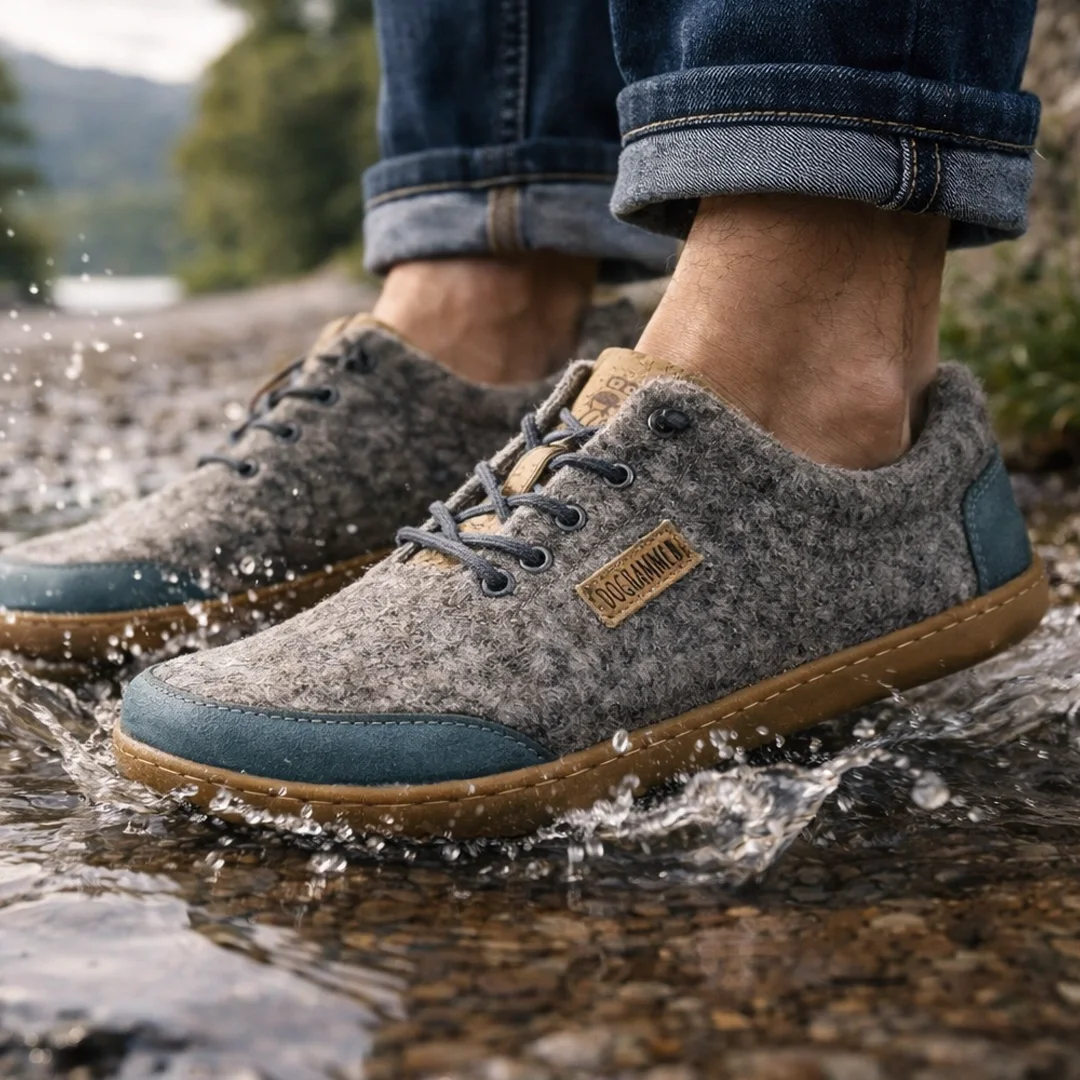
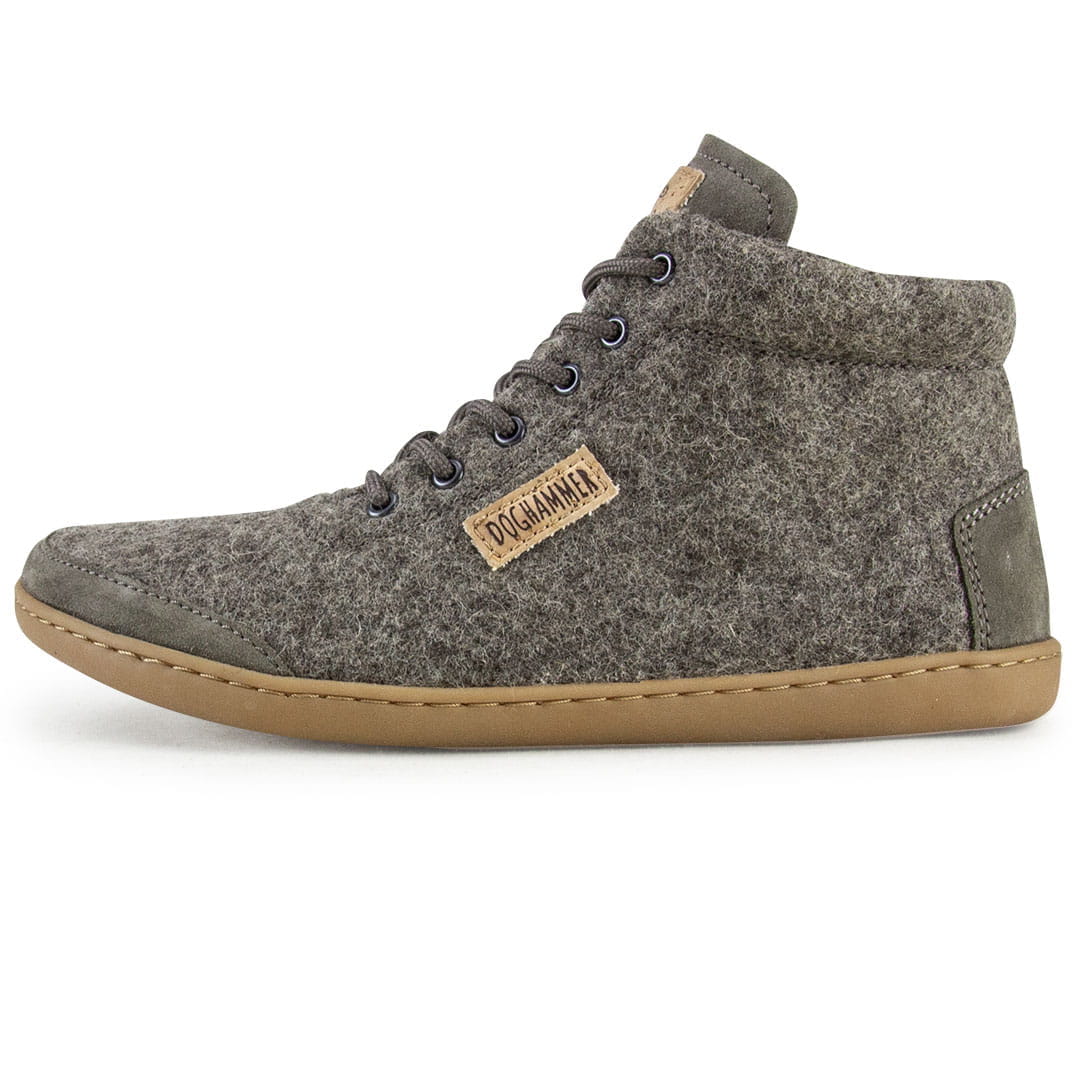
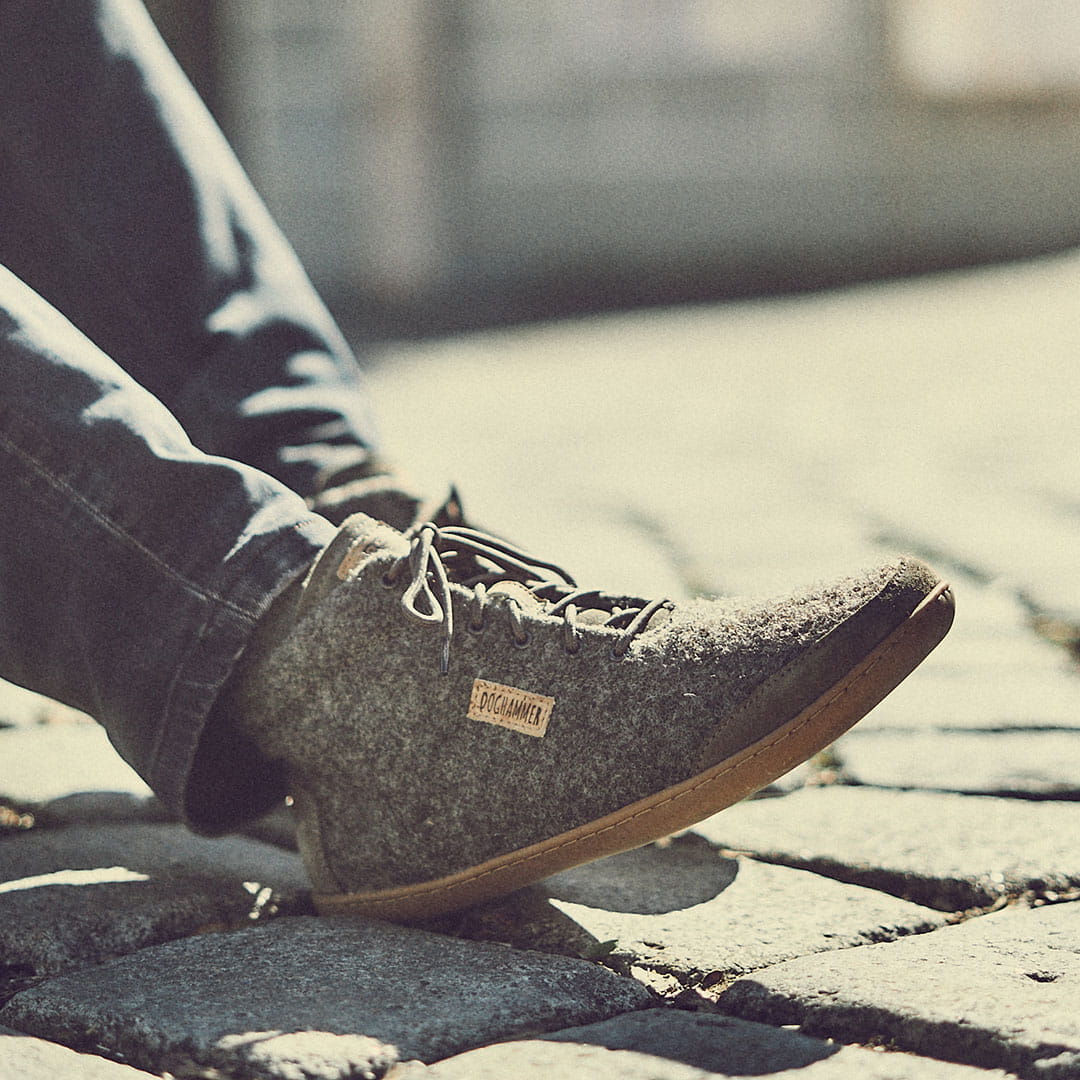
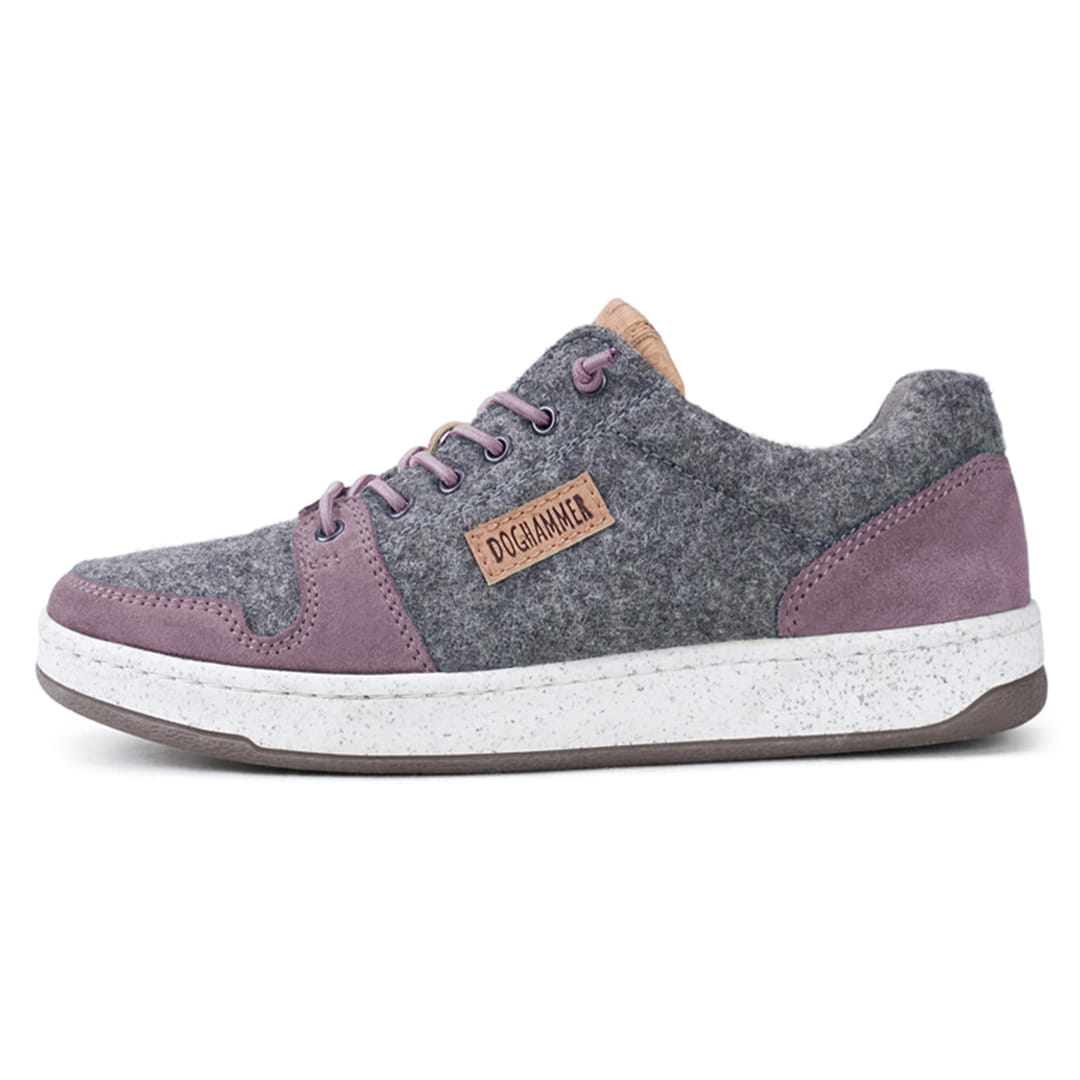
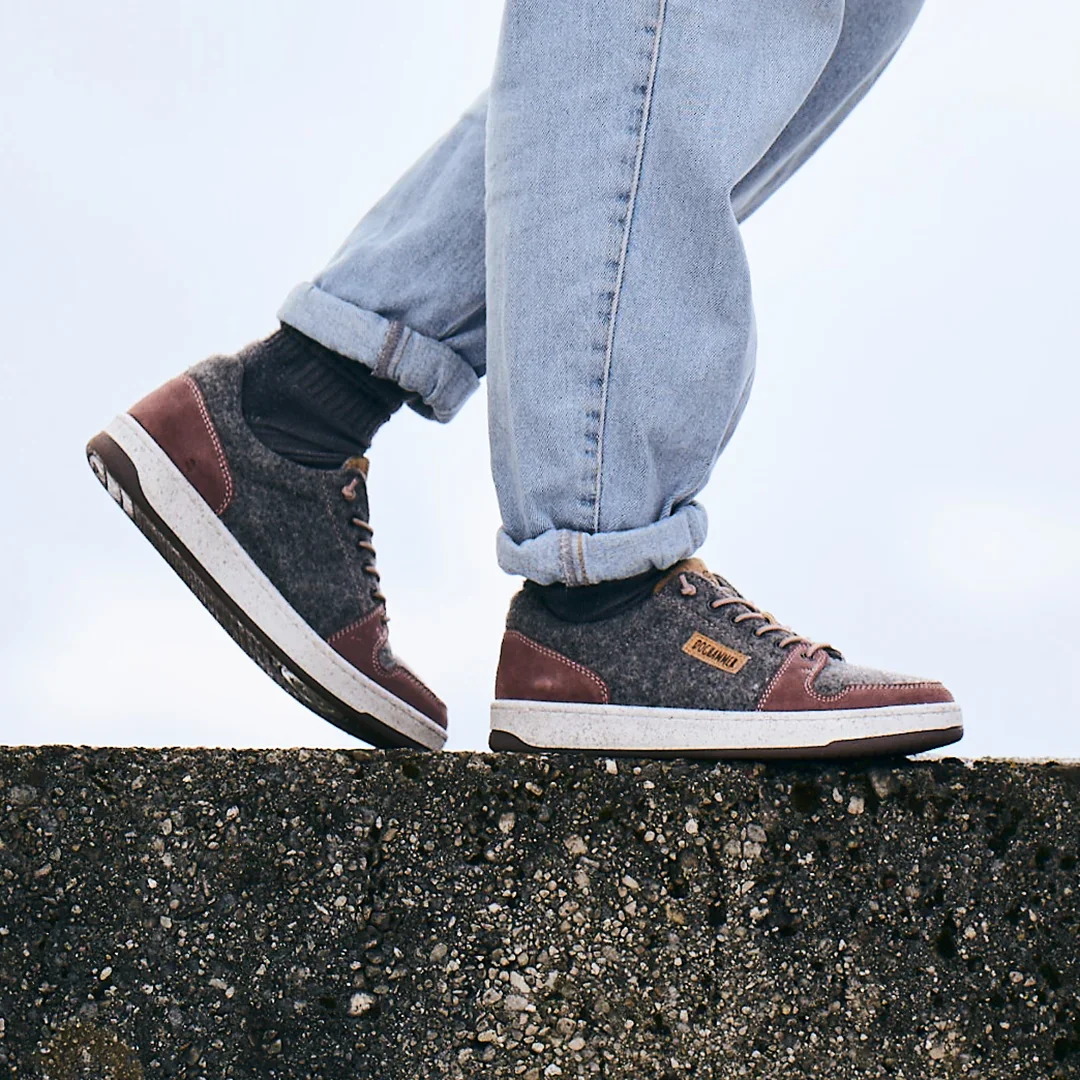
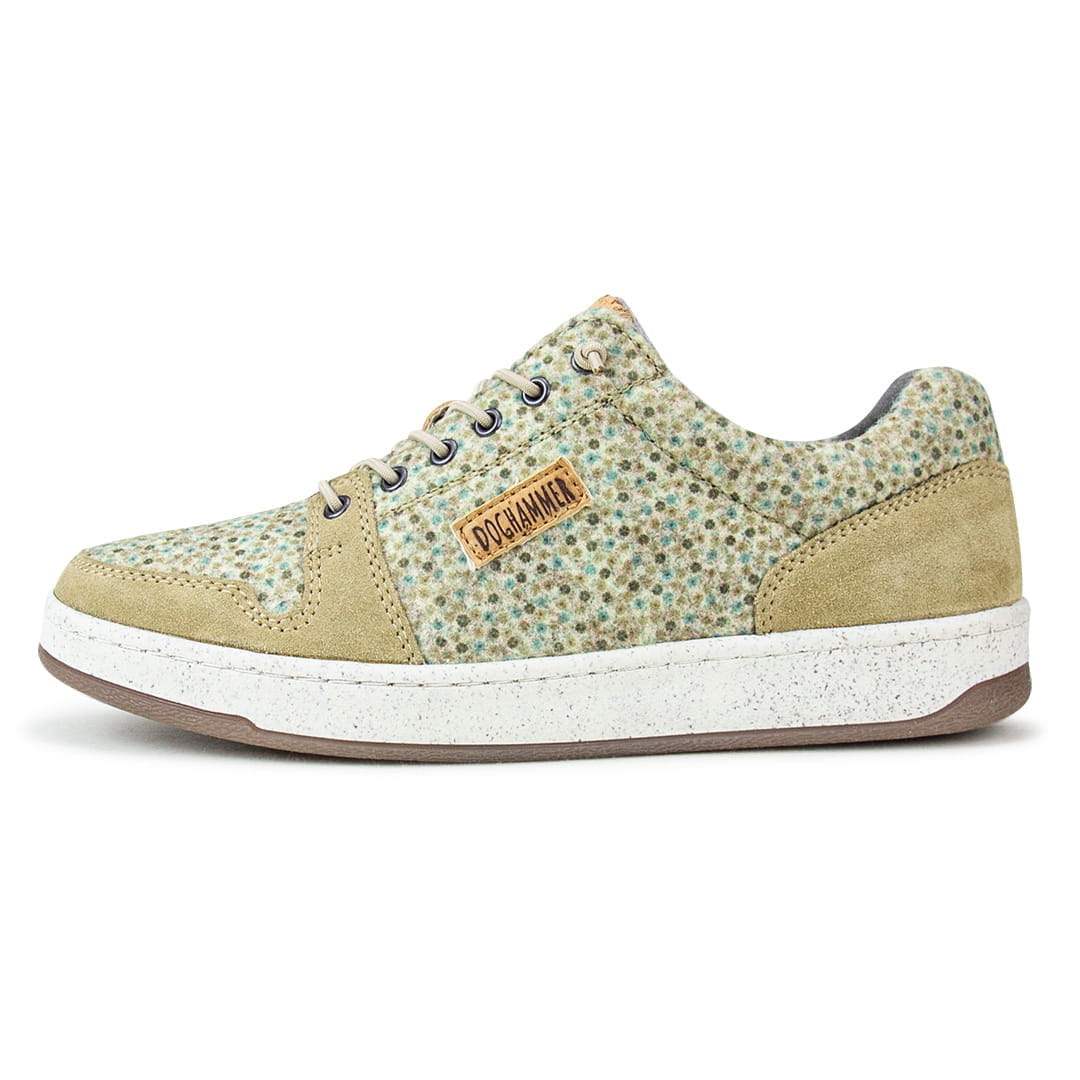
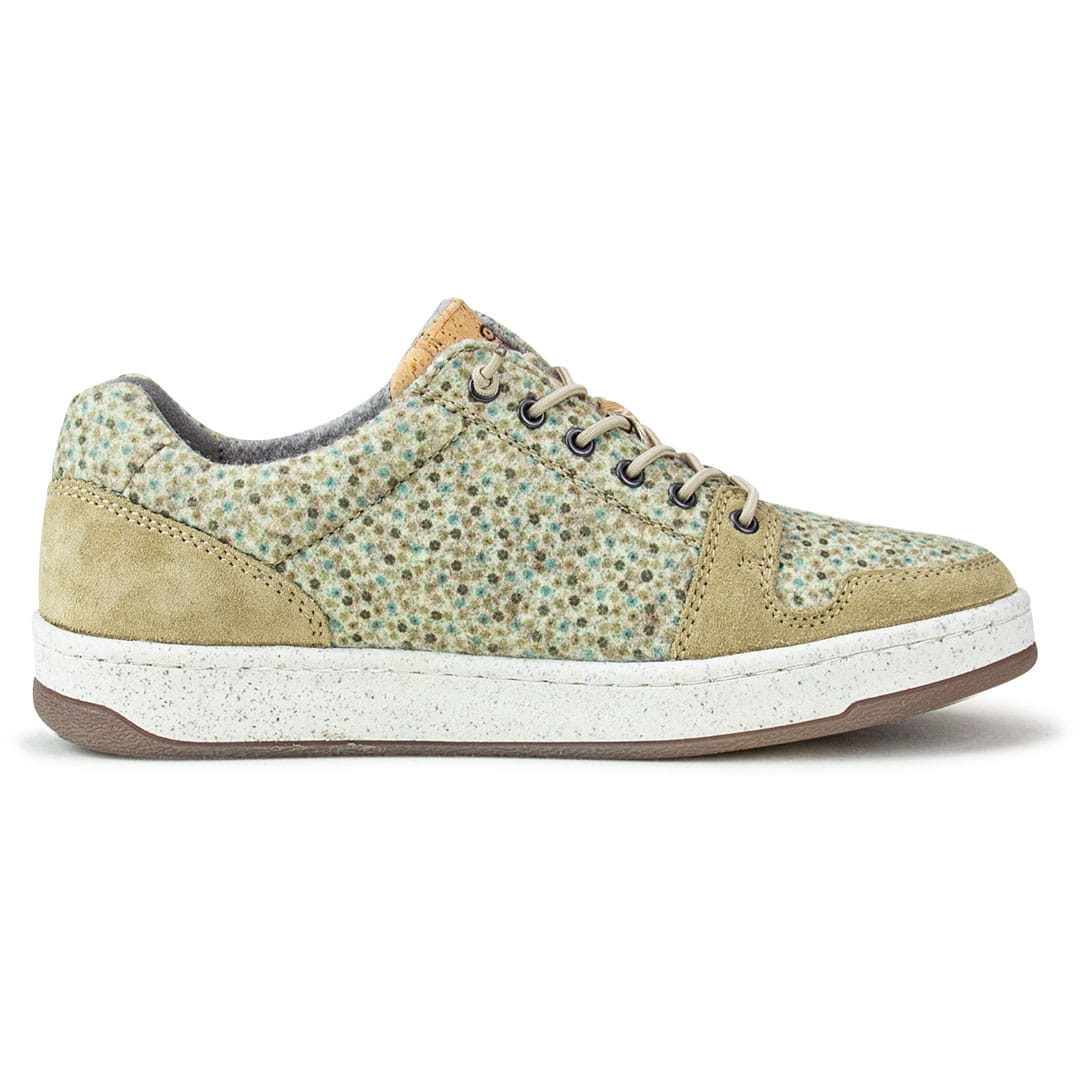
What makes our woollen shoes for women so special?
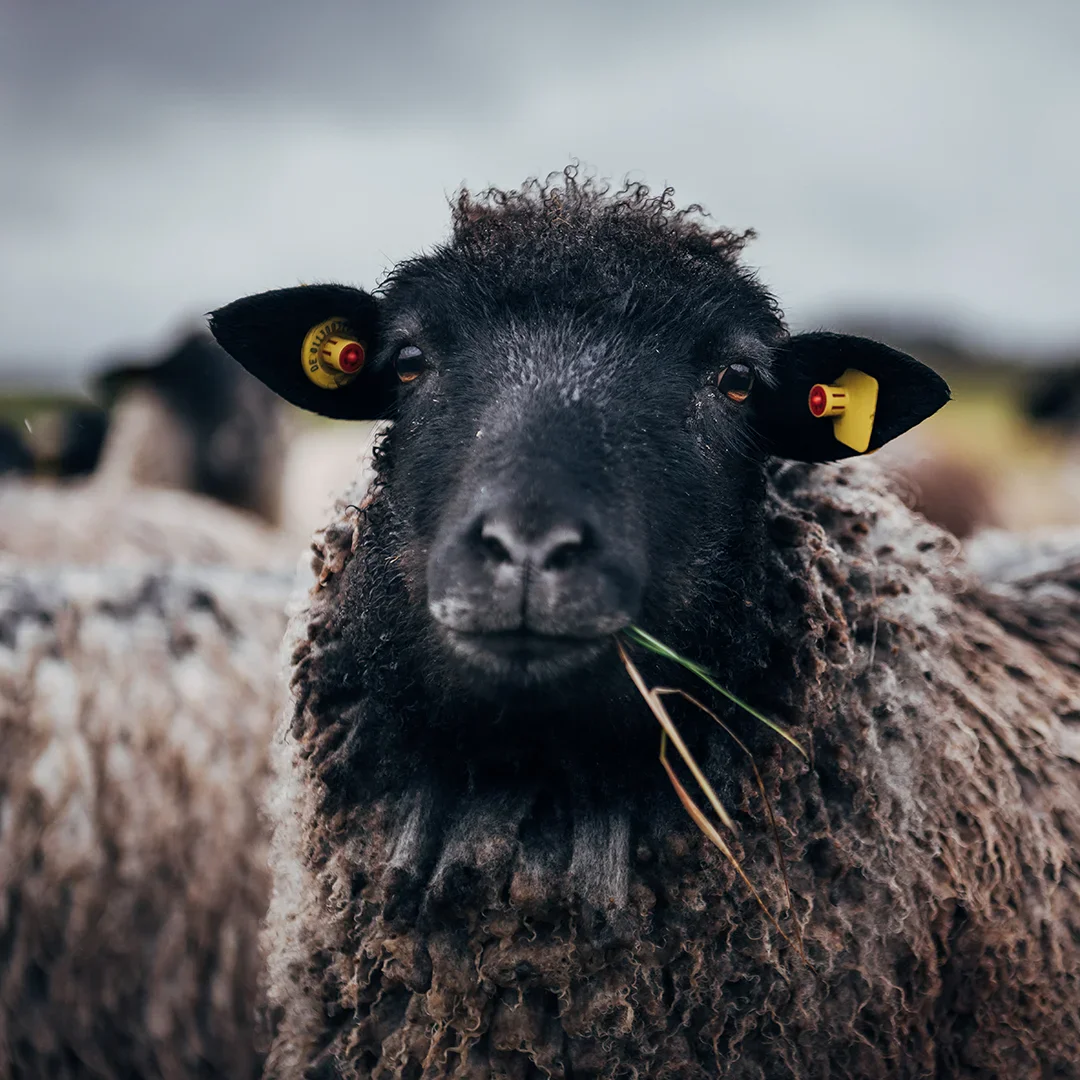
At Doghammer, we focus on natural materials for our women’s woollen shoes. Alongside cork, woollen is also a popular material for our shoes. The reason for this is simple: we are absolutely convinced of the unique properties of wool and how it is sourced – provided that animal welfare standards are upheld. For this reason, we work exclusively with suppliers who certify that their livestock are reared without mulesing. The Doghammer hut shoes were our first women’s shoes made from wool. For these, we used wool in the strap and as the upper material. We now also use wool in our women’s hut shoes and woollen Chelsea boots.

Origin of the raw materials for the women’s woollen shoes
With Local Commutern, we have taken an important step towards greater transparency and sustainability. For our women’s woollen shoes, we use woollen loden from Nordwolle, a company based in northern Germany that processes wool from German sheep. As well as Nordwolle from Germany, we also work with the Italian supplier Bigagli and Upperglobal from Portugal. We source the felt that we use as the upper material in our trainers, Chelsea boots and slippers from Bigagli. Upperglobal supplies us with the woollen lining, which ensures a comfortably temperature-regulated foot environment inside the woollen shoes.

What type of wool is used to make woollen shoes for women?
Felt, loden and wool fabric – we use these different types of processed wool for our ladies’ woollen shoes. In the case of felt, the wool is matted into a felt fabric using many small needles – much like dreadlocks, the wool fibres become matted through the constant passing of the needle. The result is a relatively firm fabric, which can vary in thickness. With loden, the wool yarn is spun and then fulled. This produces a more flexible and thin material, which, however, becomes very durable thanks to the spinning process. In the case of woollen lining, the wool is bonded to a backing, usually a textile or synthetic fabric. As a result, the wool fibres are not interlocked, creating a very airy fabric that is perfectly suited as an inner lining for ladies’ winter shoes.
How are the women’s woollen shoes made?
Our women’s woollen shoes are handcrafted by a family-run shoe manufacturer in Portugal. We prefer to work with suppliers from Europe and ensure our entire supply chain is transparent. As well as wool, we use cork as another natural raw material in our women’s woollen shoes. For example, you’ll find recycled cork in the soles of all our trainers, hut shoes and Chelsea boots. Thanks to the cork content, we can reduce the amount of rubber required by up to 10 per cent. The removable insole is moulded from cork and recycled EVA (an insulating material). Are you interested in the production processes or further details about how our shoes are made? No problem – we’ve set out all the information about our women’s woollen shoes transparently in an app.
How do I remove dirt from the women’s woollen shoes?
There are a few things to bear in mind if you want to keep your women’s woollen shoes looking their best: 1. The best way to remove coarse dirt is with a soft (!) brush and lukewarm water. It’s important that you use a very soft brush; if the brush is too hard, it can damage the woollen upper. Wool is naturally dirt-repellent, which is why we recommend not using any harsh cleaning products. 2. It’s important that the wool is completely dry before you waterproof the shoes. If you want to waterproof your woollen shoes once they’re completely dry, you can use a standard waterproofing spray. Our personal recommendation is a waterproofing spray from the Collonil Organic range. Please do not use shoe polish under any circumstances, as this will cause the wool to become greasy.