

Merino shoes for men
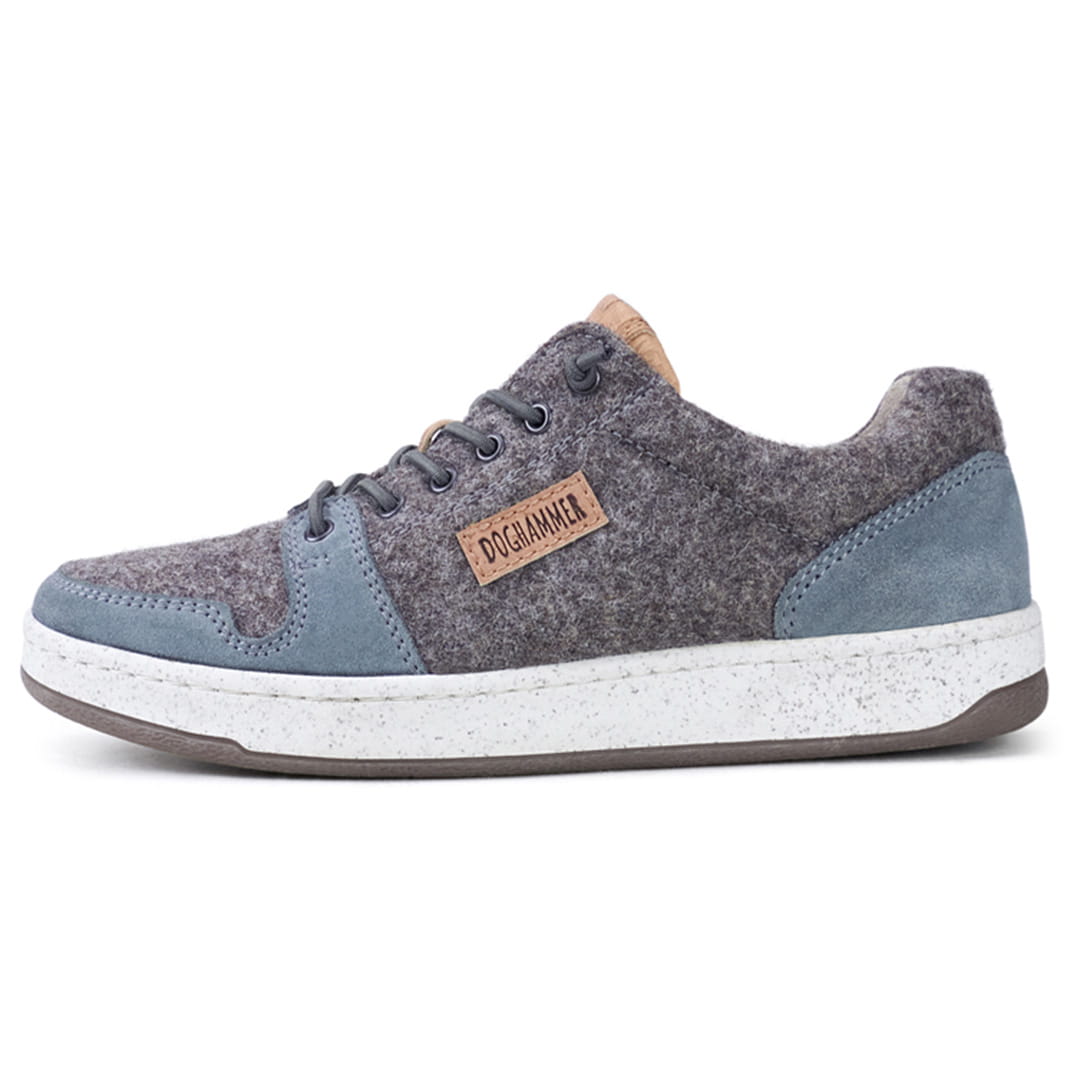
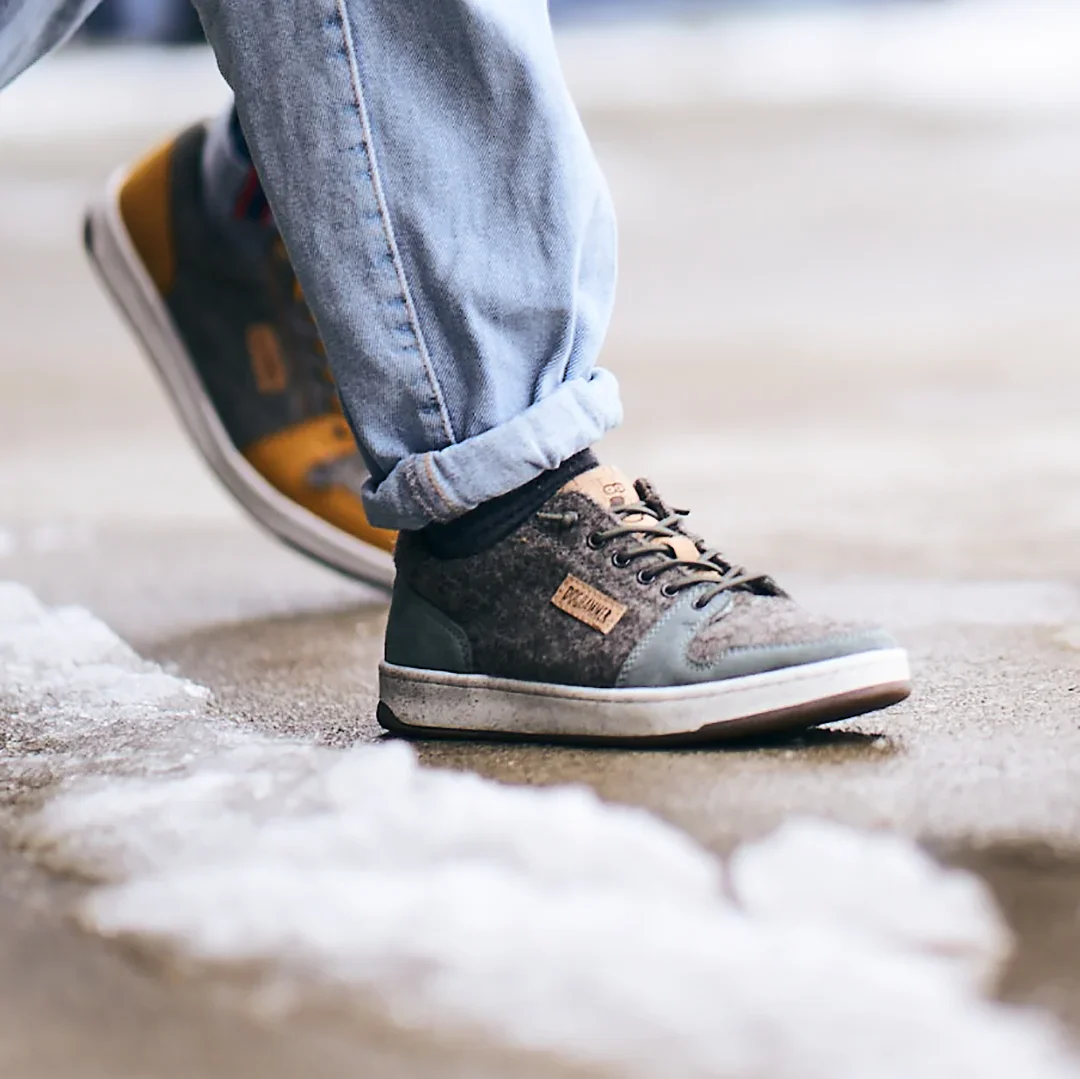
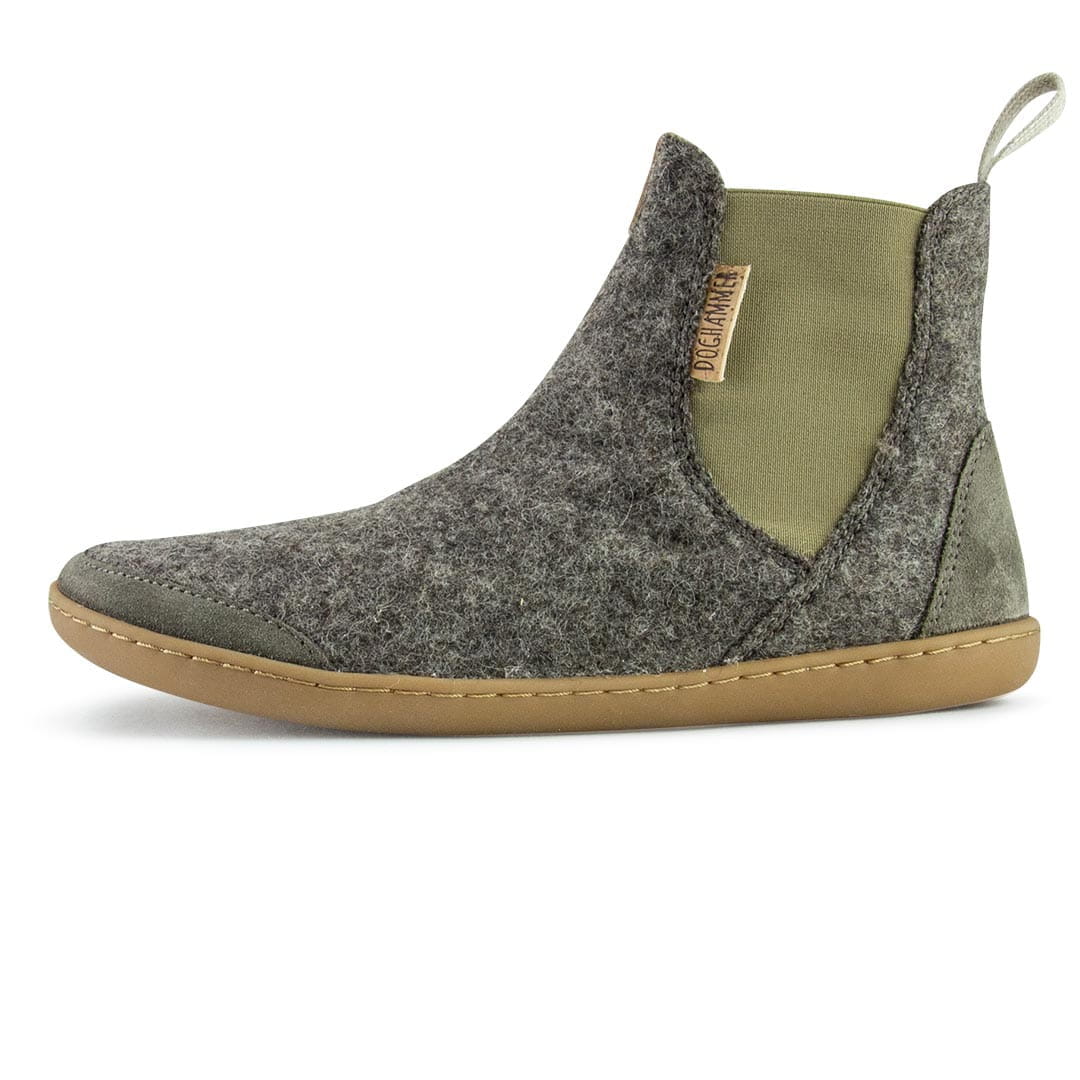
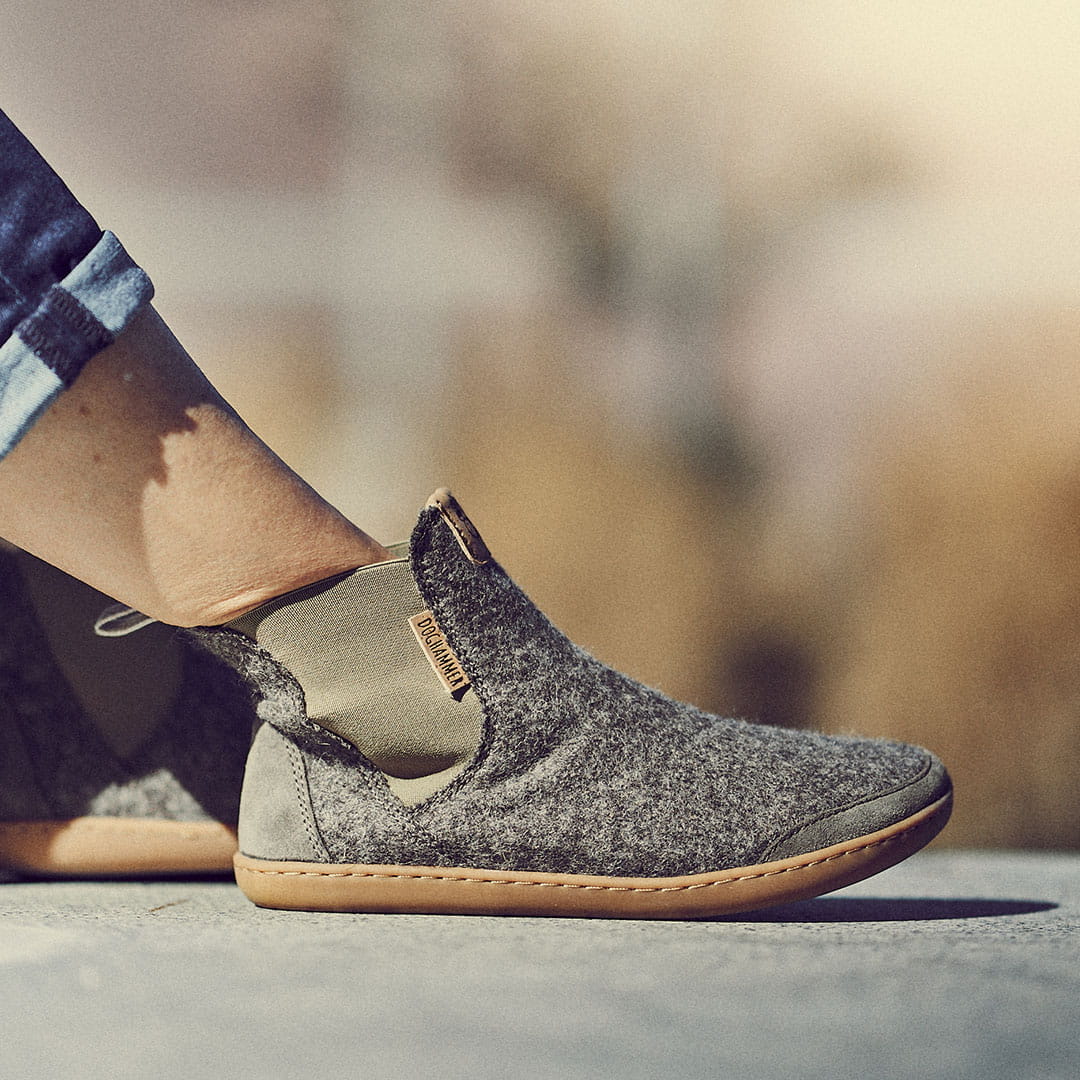
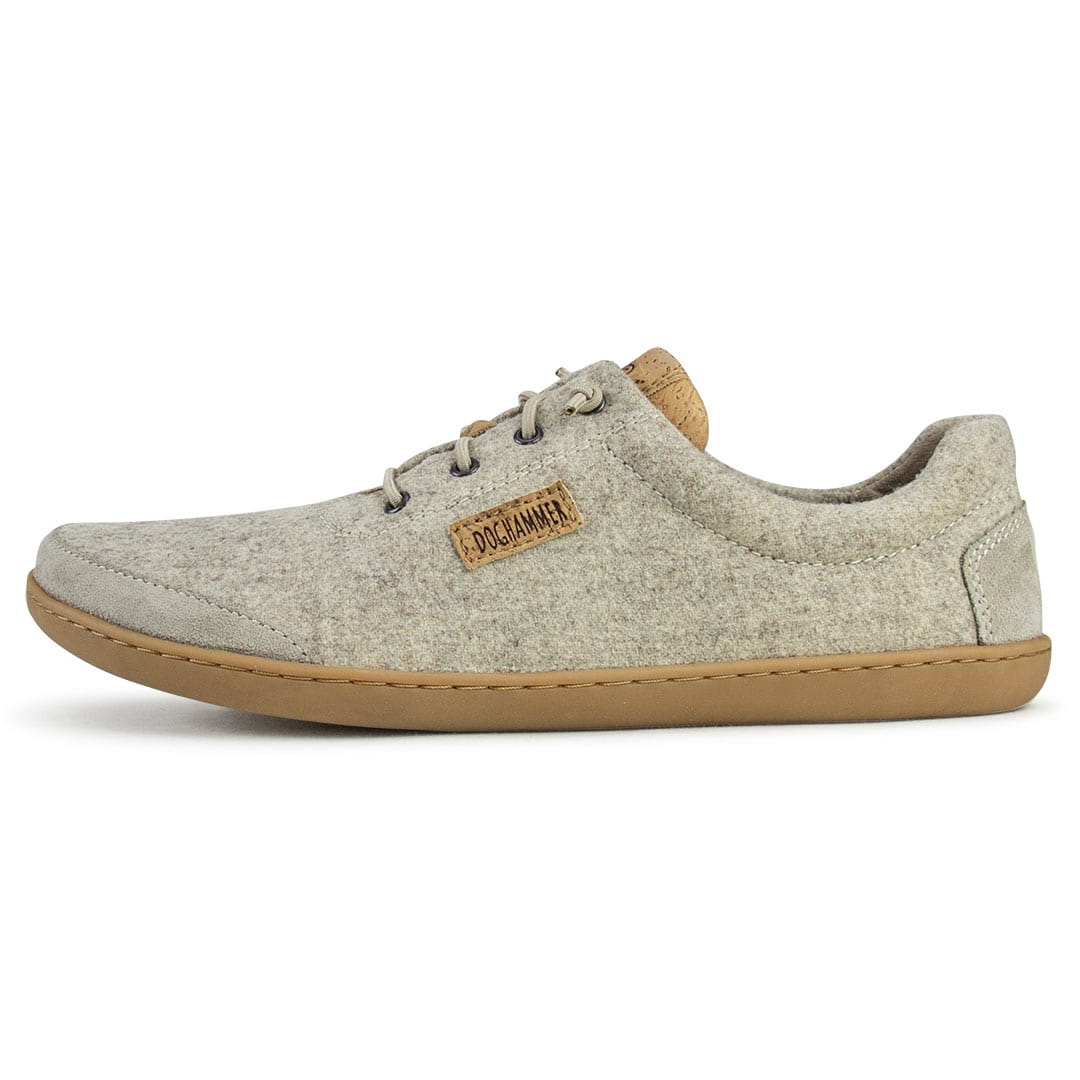
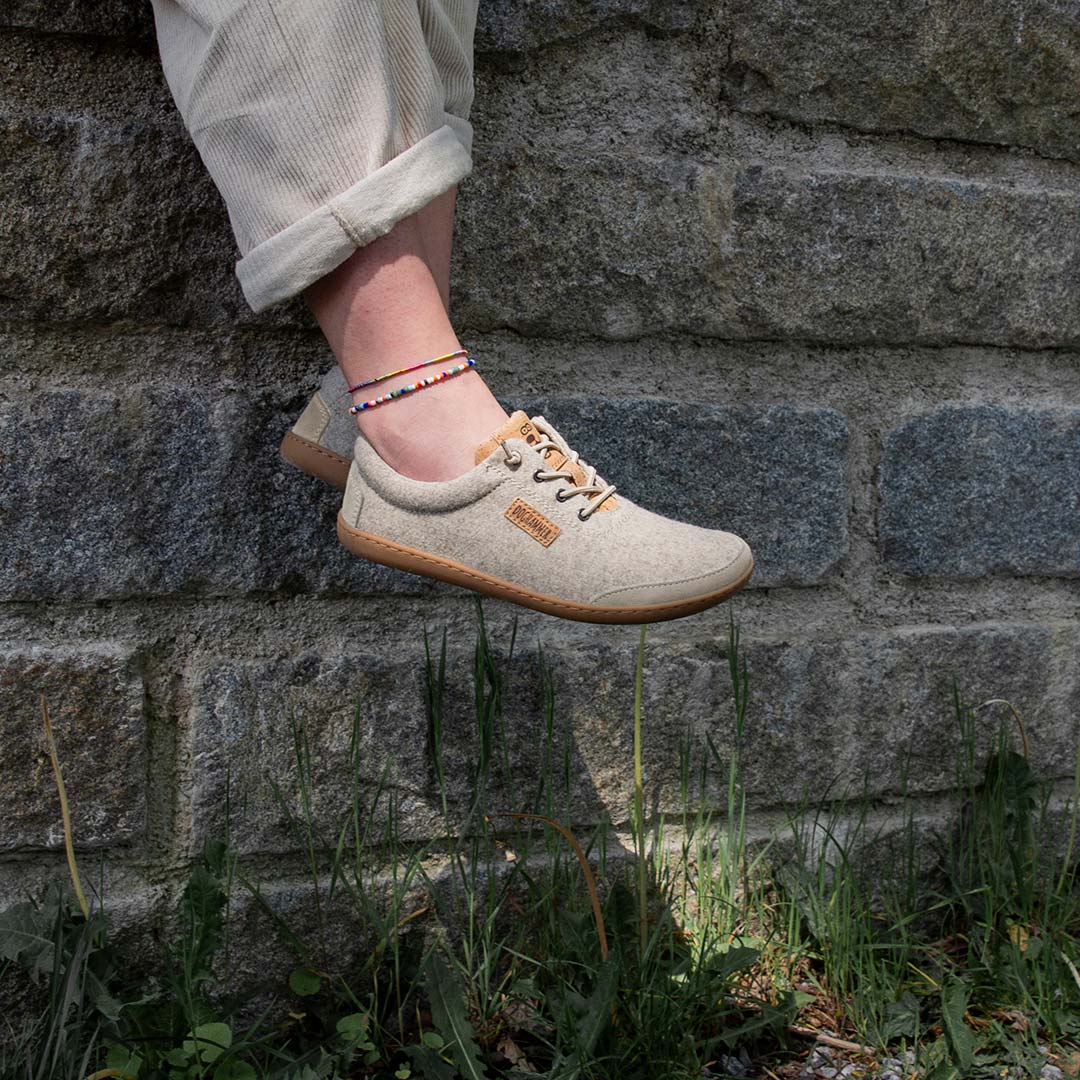
With our Merino shoes for men, we have a genuine ‘three-season shoe’ in our range. Thanks to the natural properties of sheep’s wool, these shoes provide a unique foot climate – whatever the weather! When selecting the wool, we opt for mulesing-free sheep’s wool and combine it with other materials such as leather, faux leather or fabrics. What are you waiting for? Treat your feet to a unique experience!

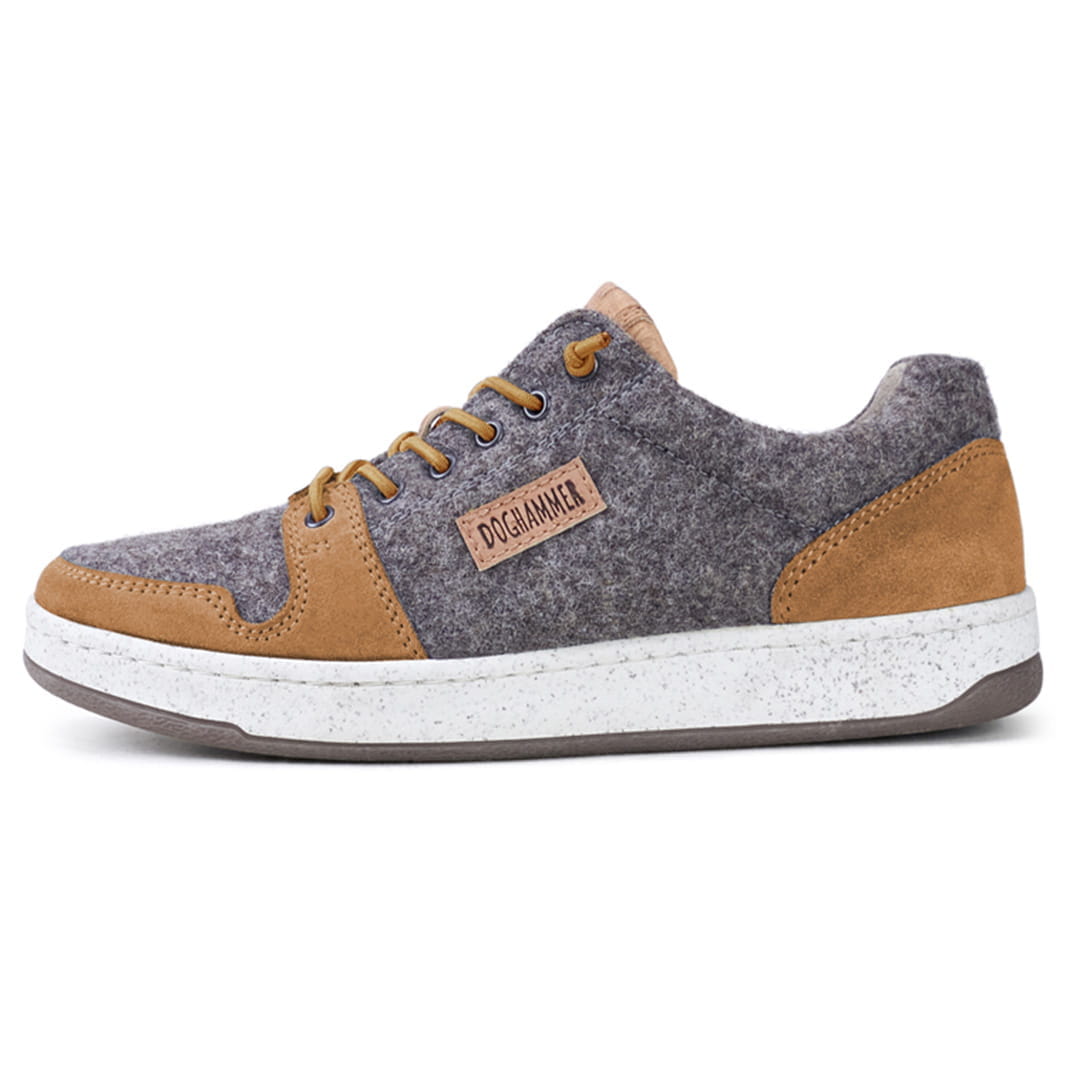
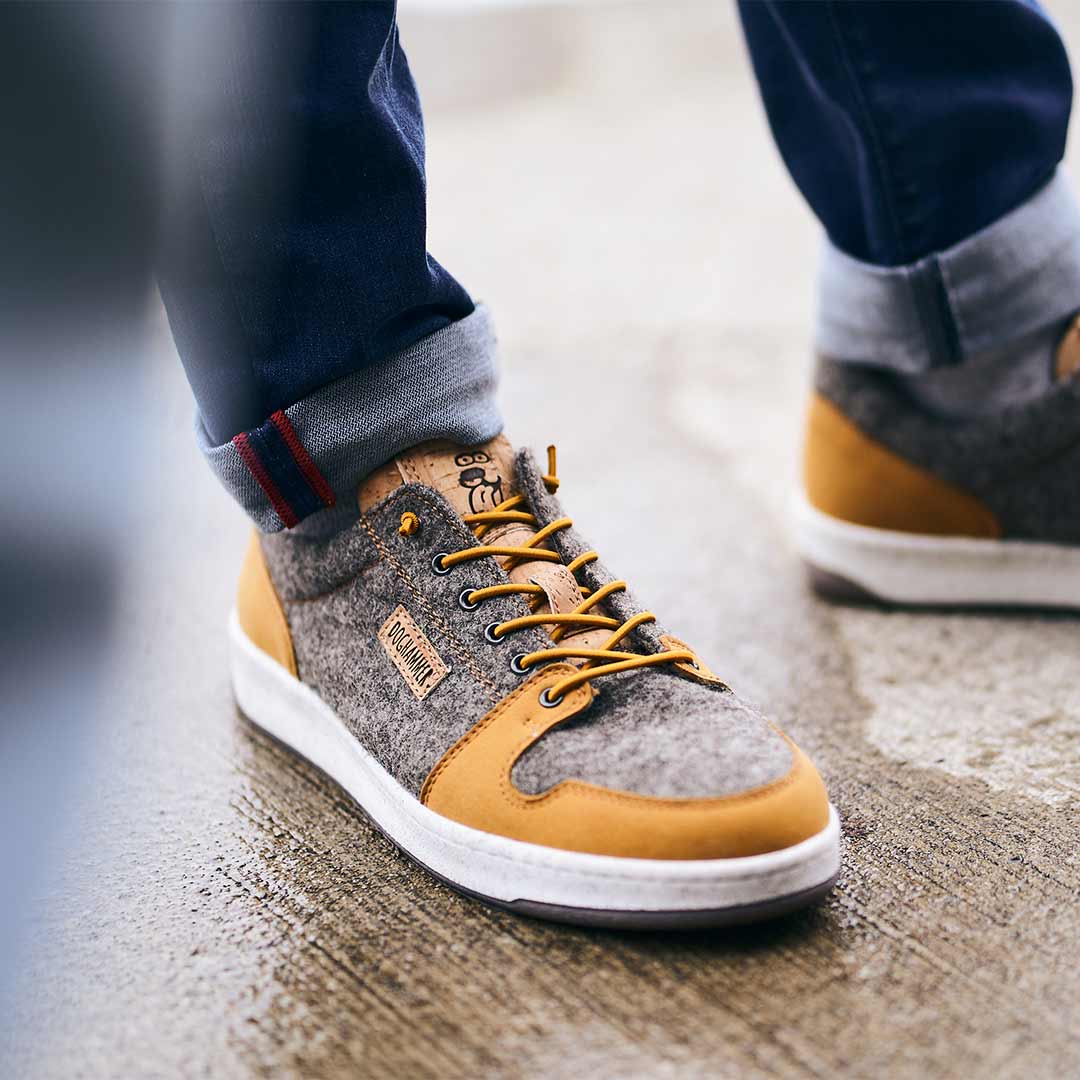
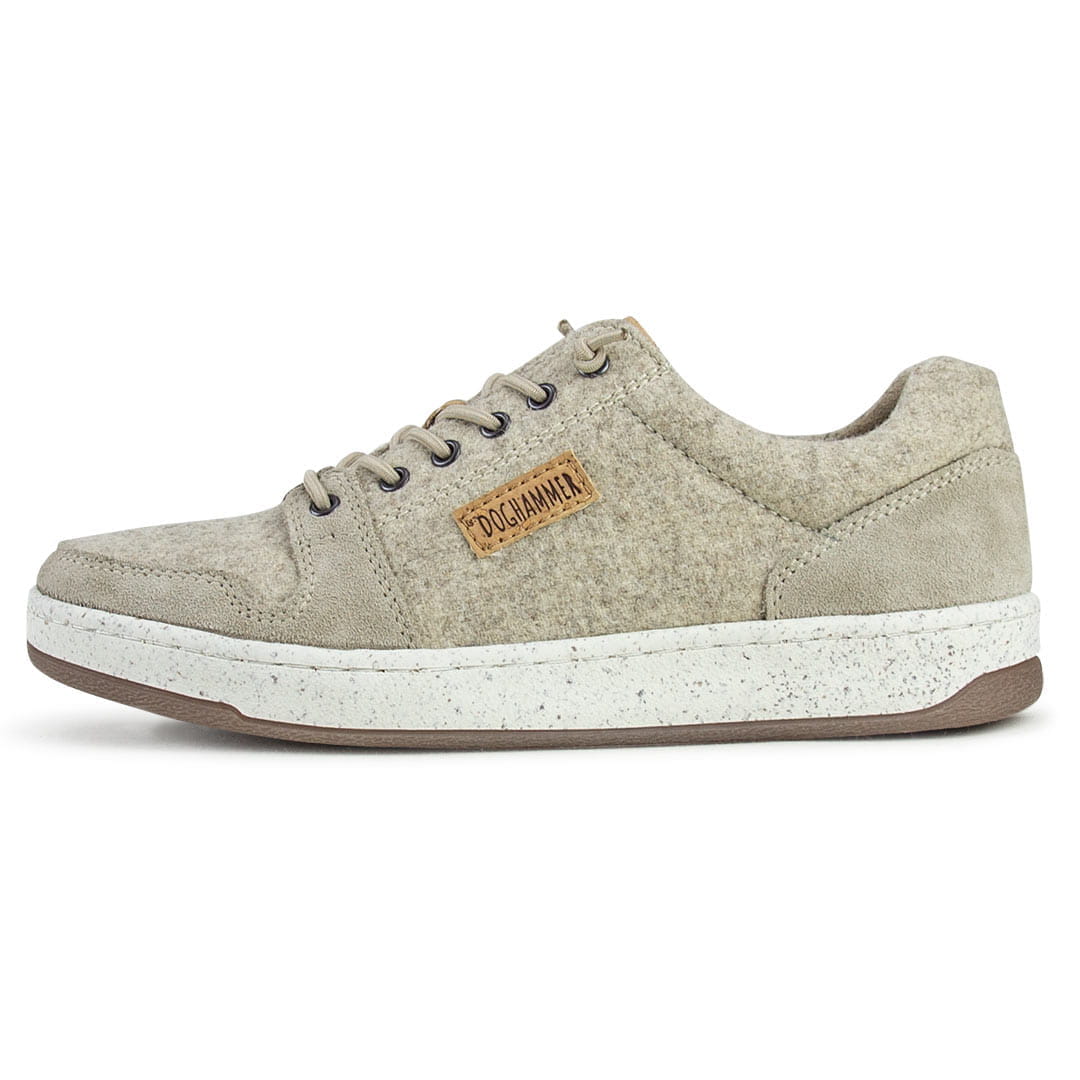
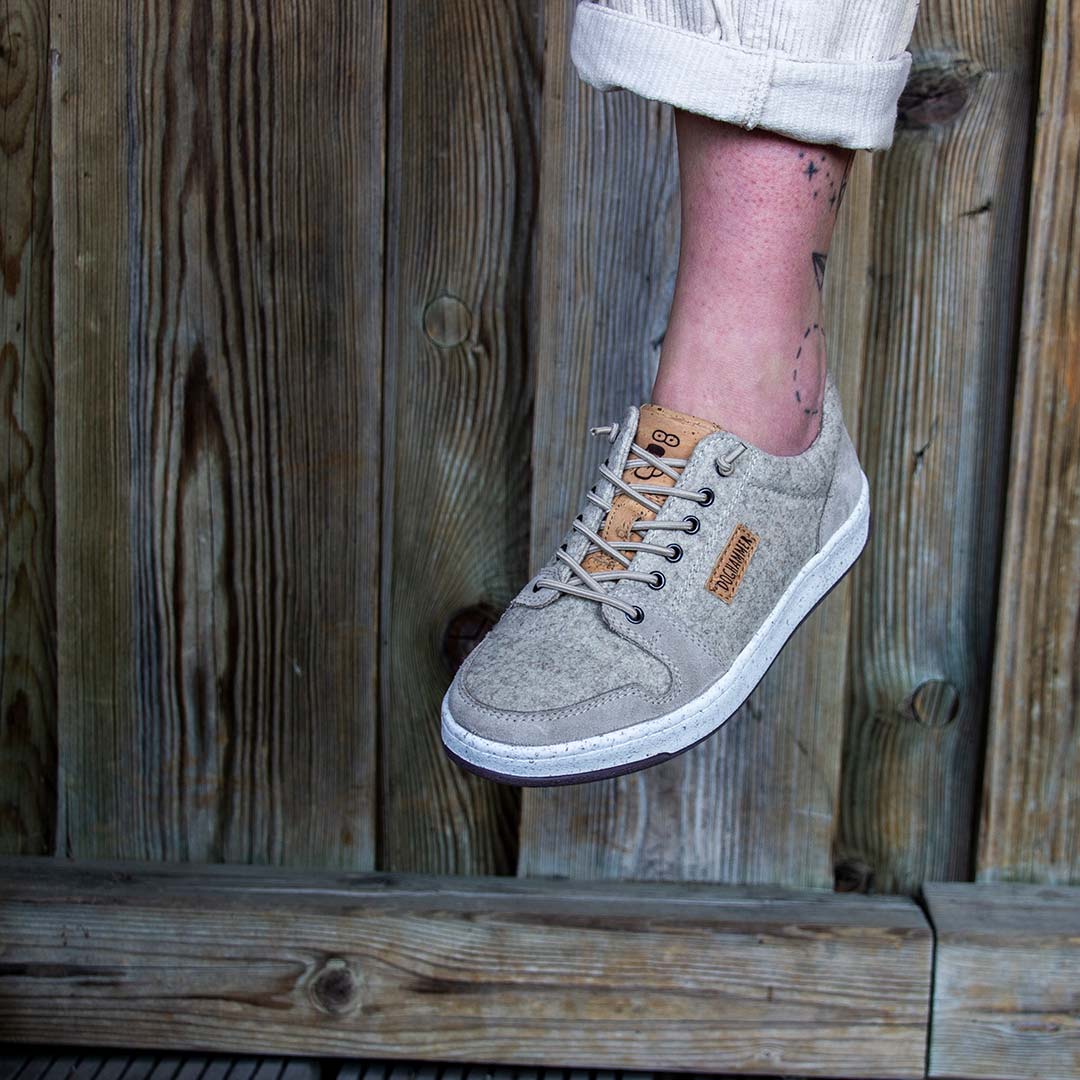
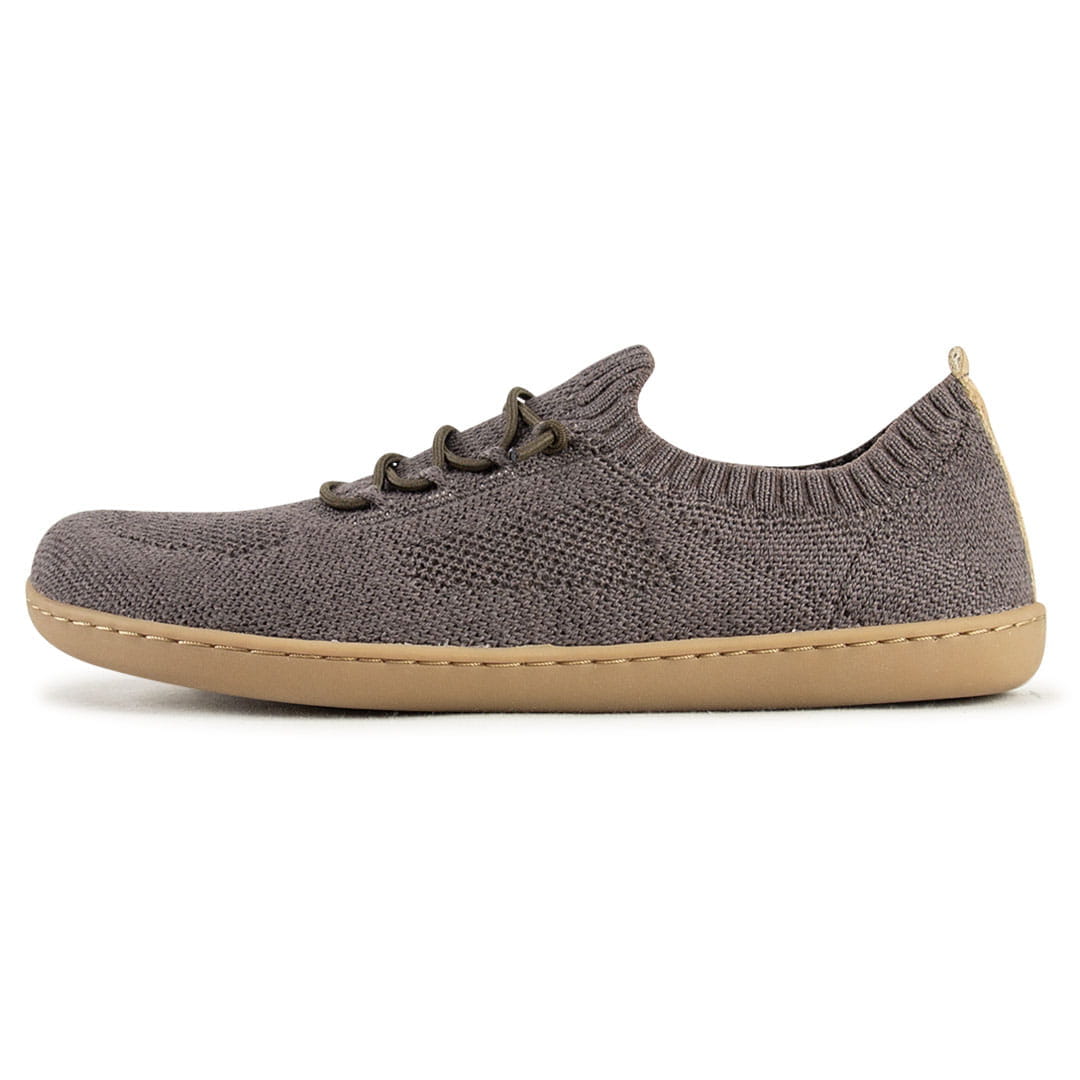
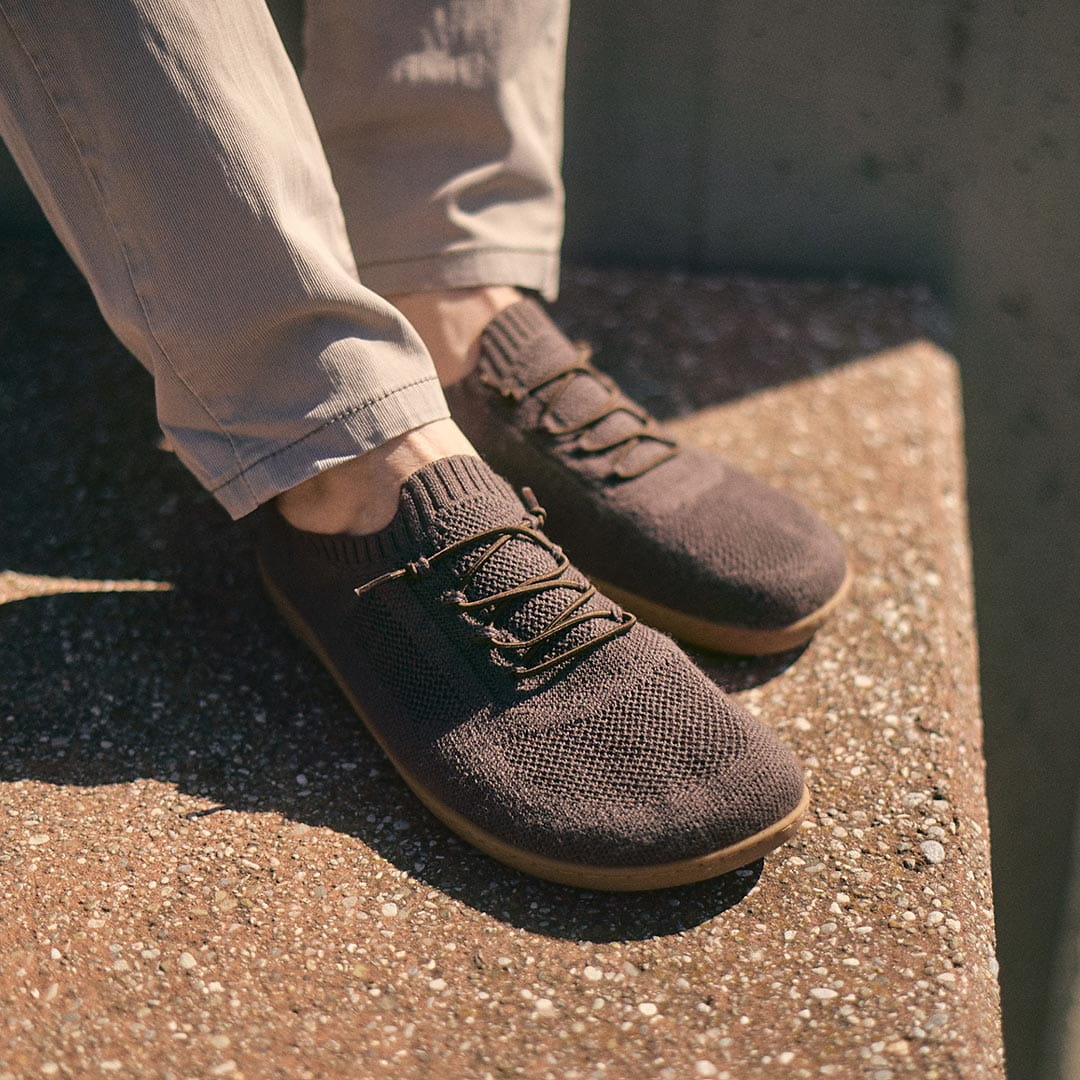
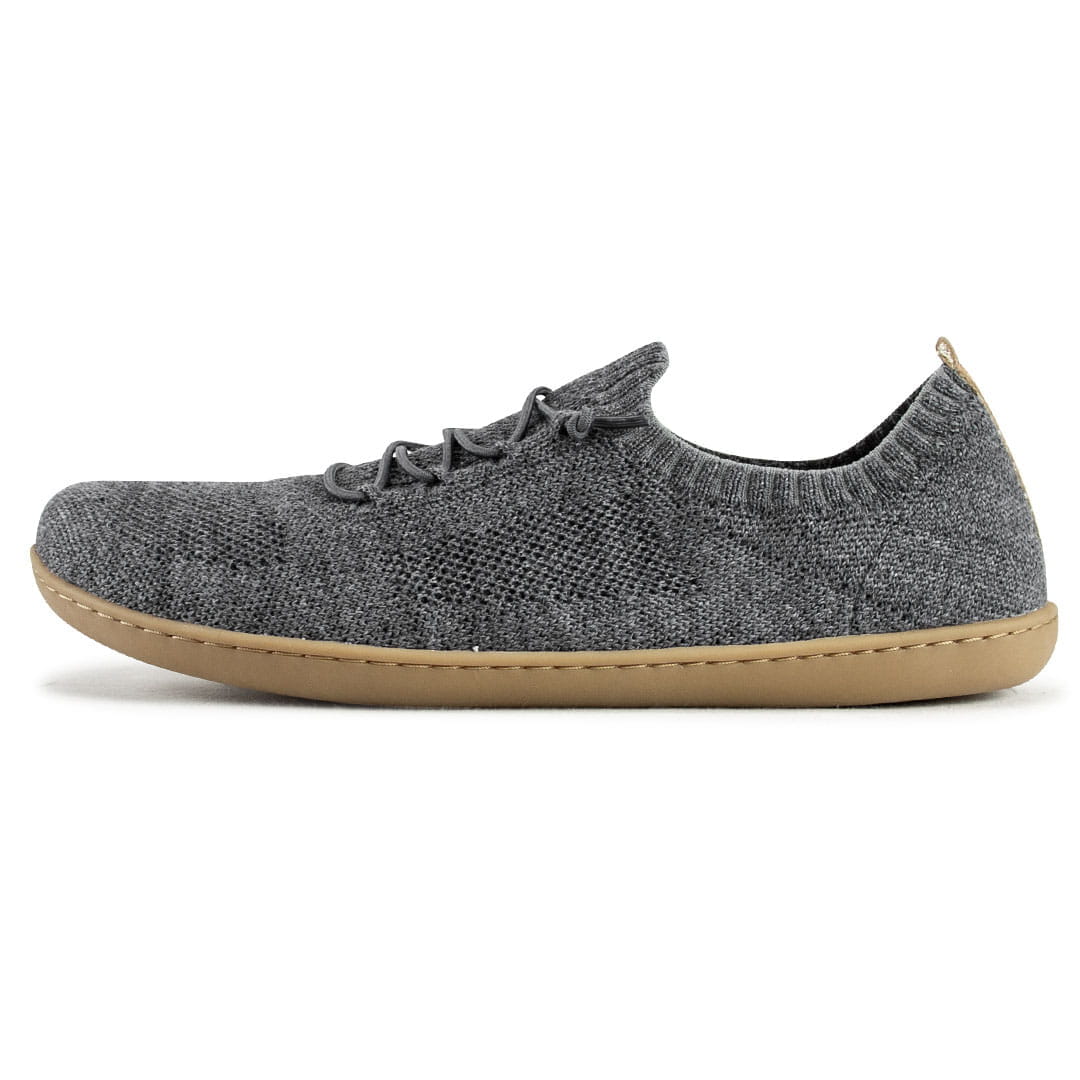

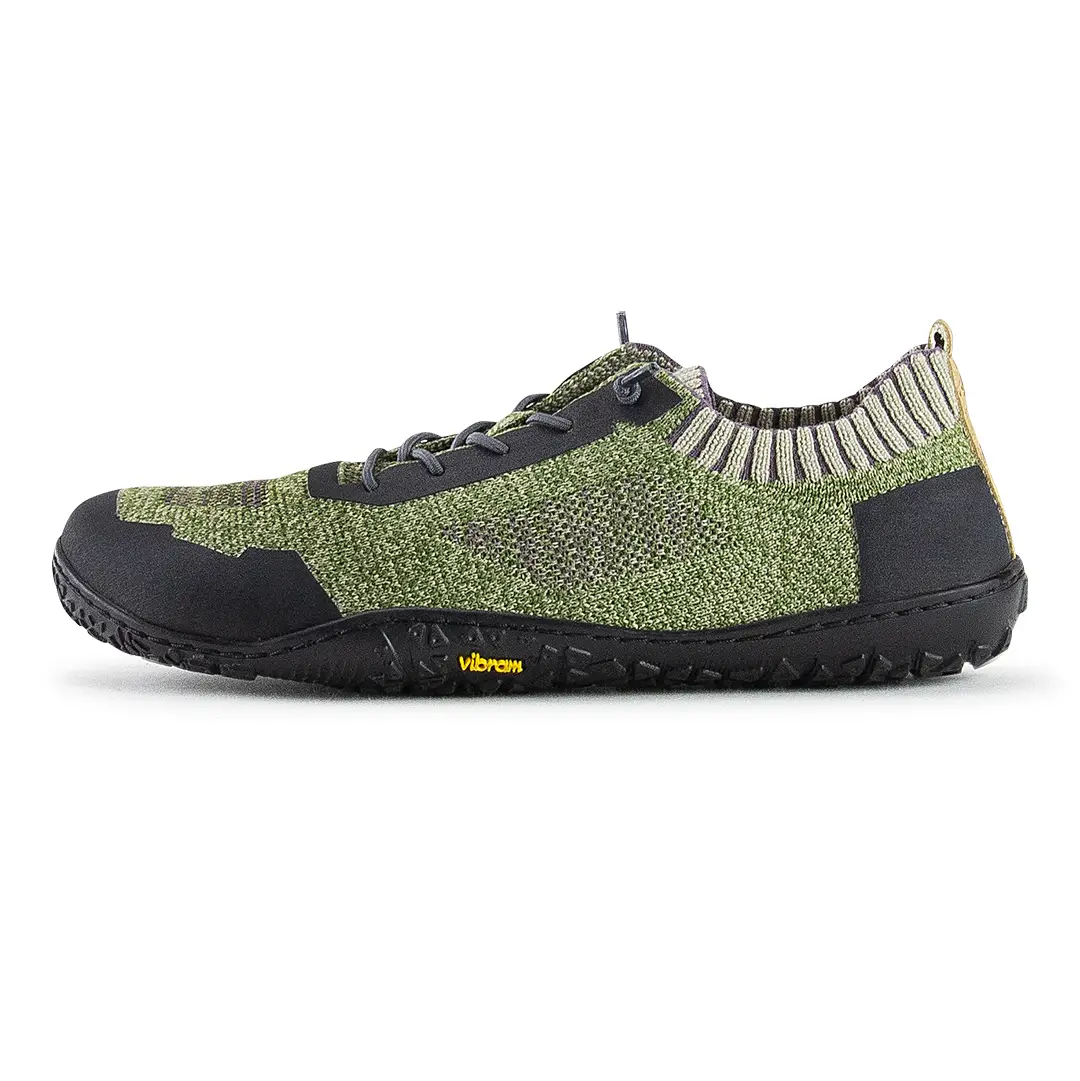

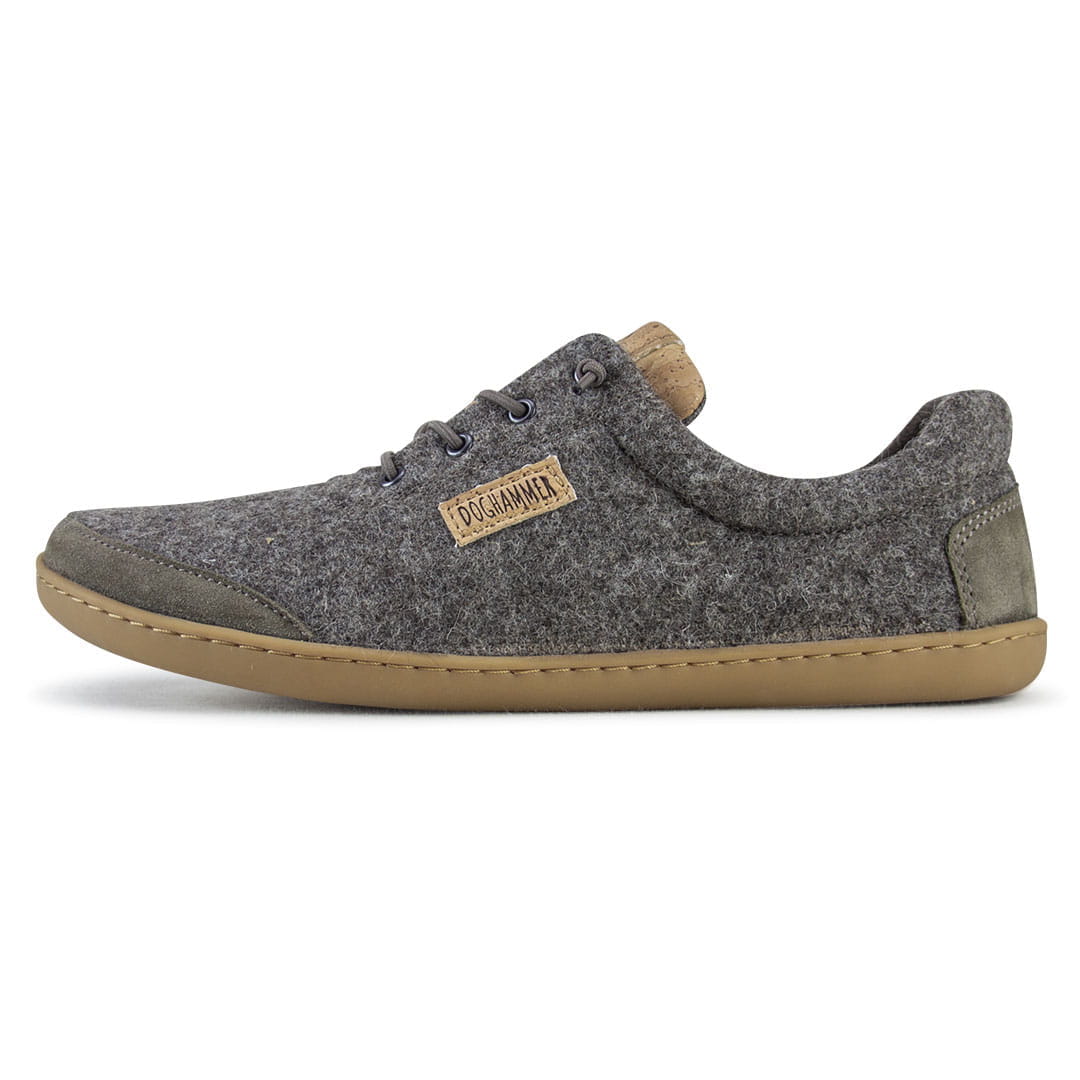
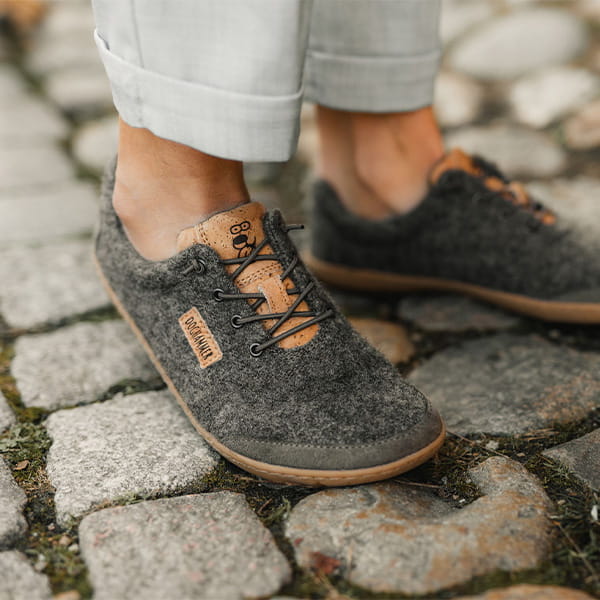
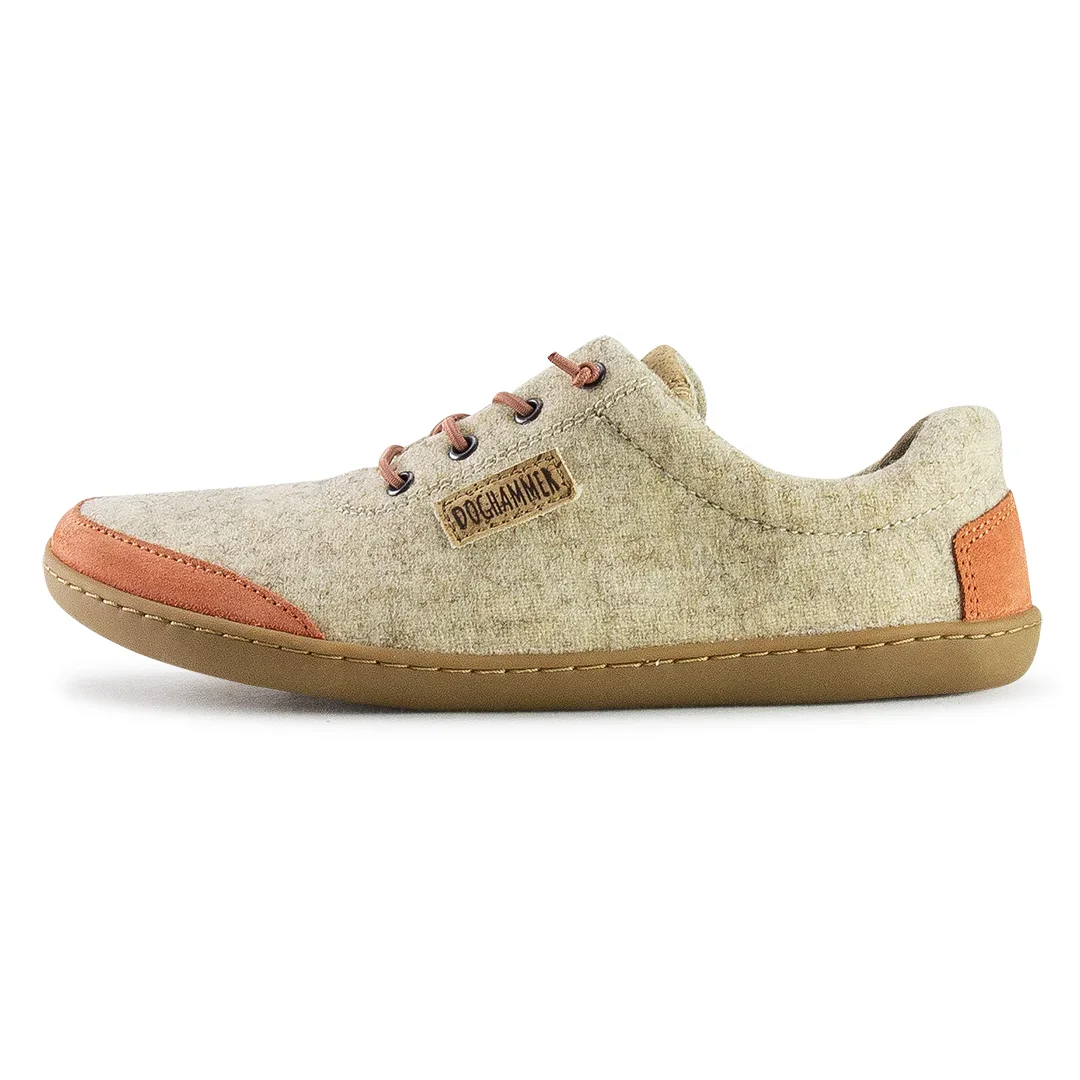

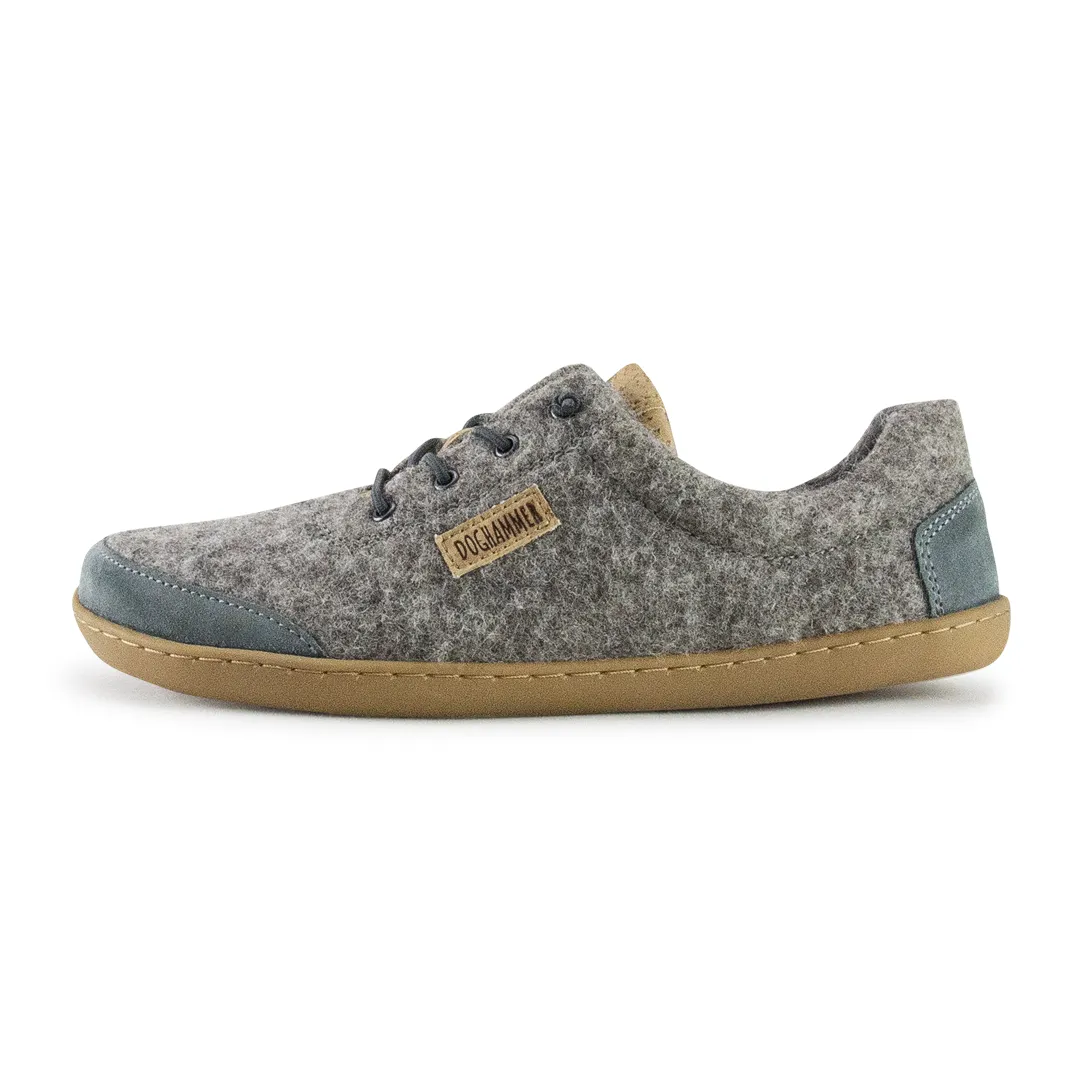
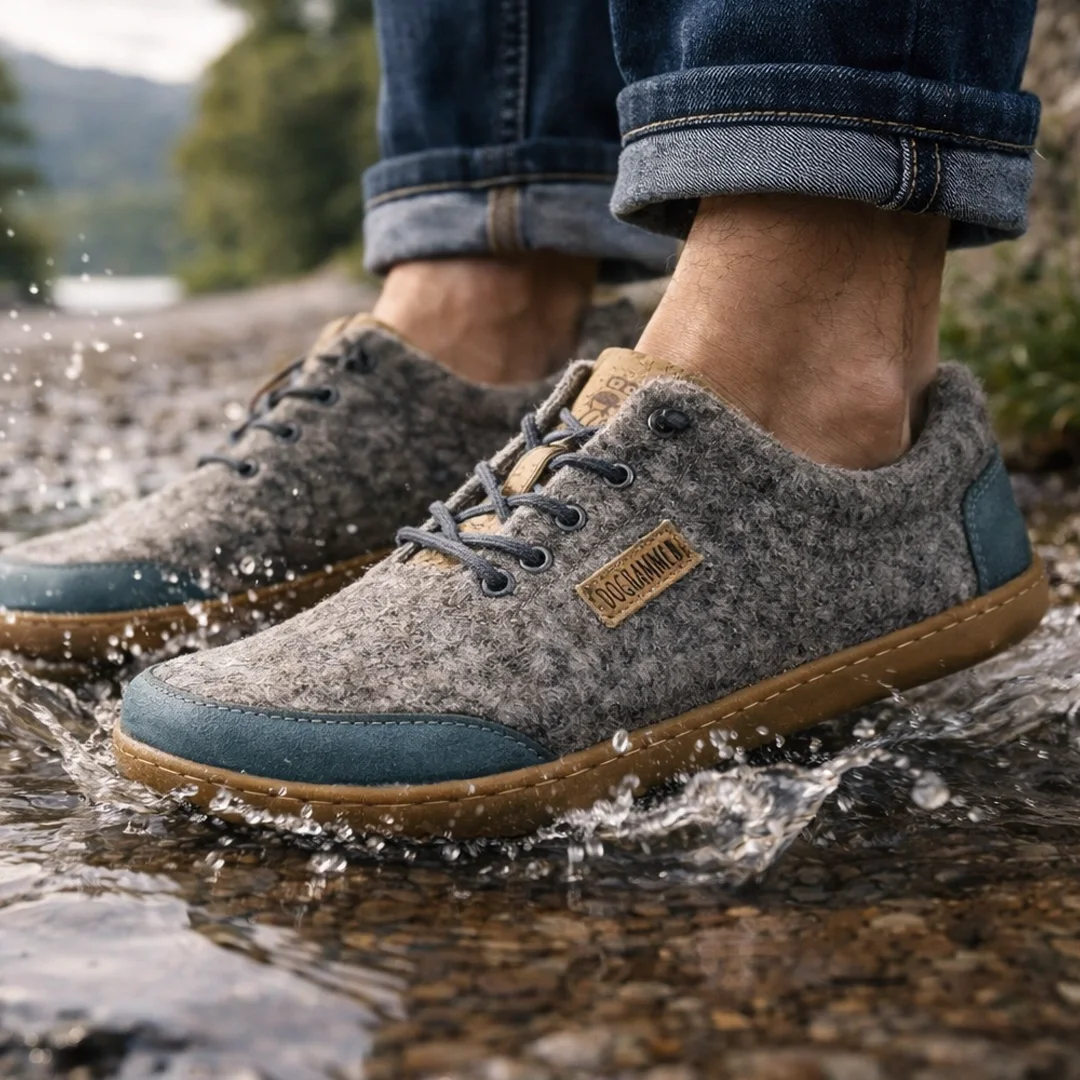
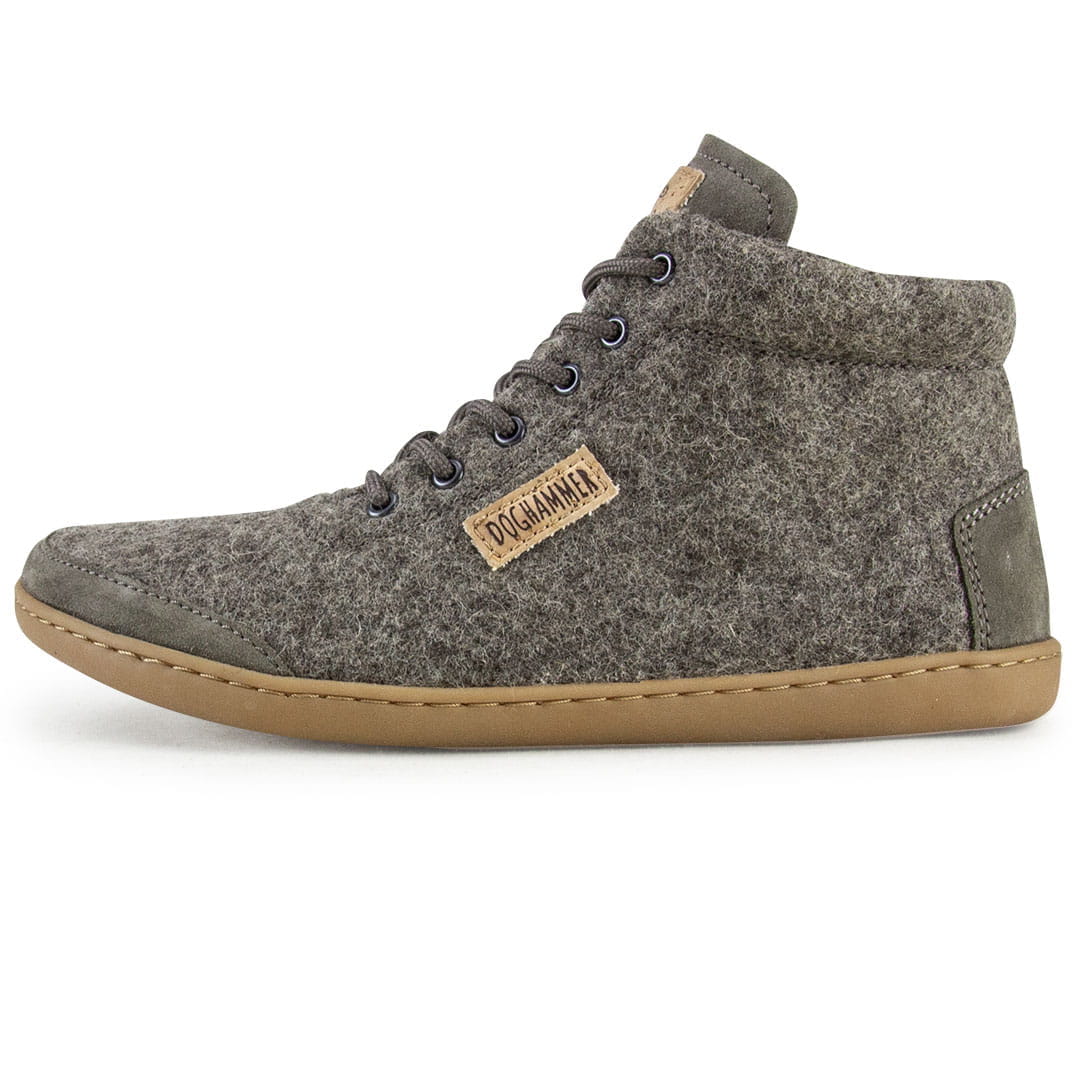
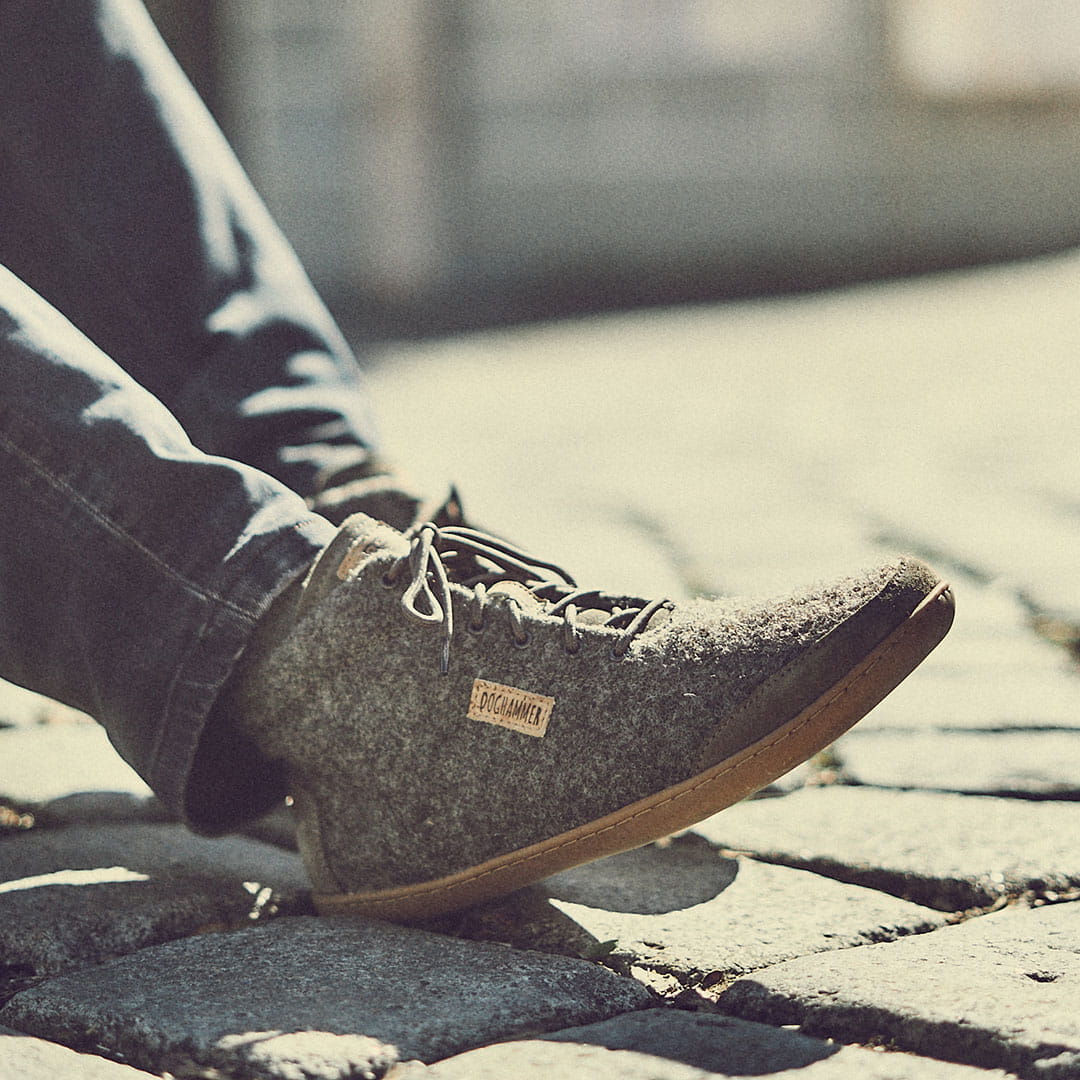
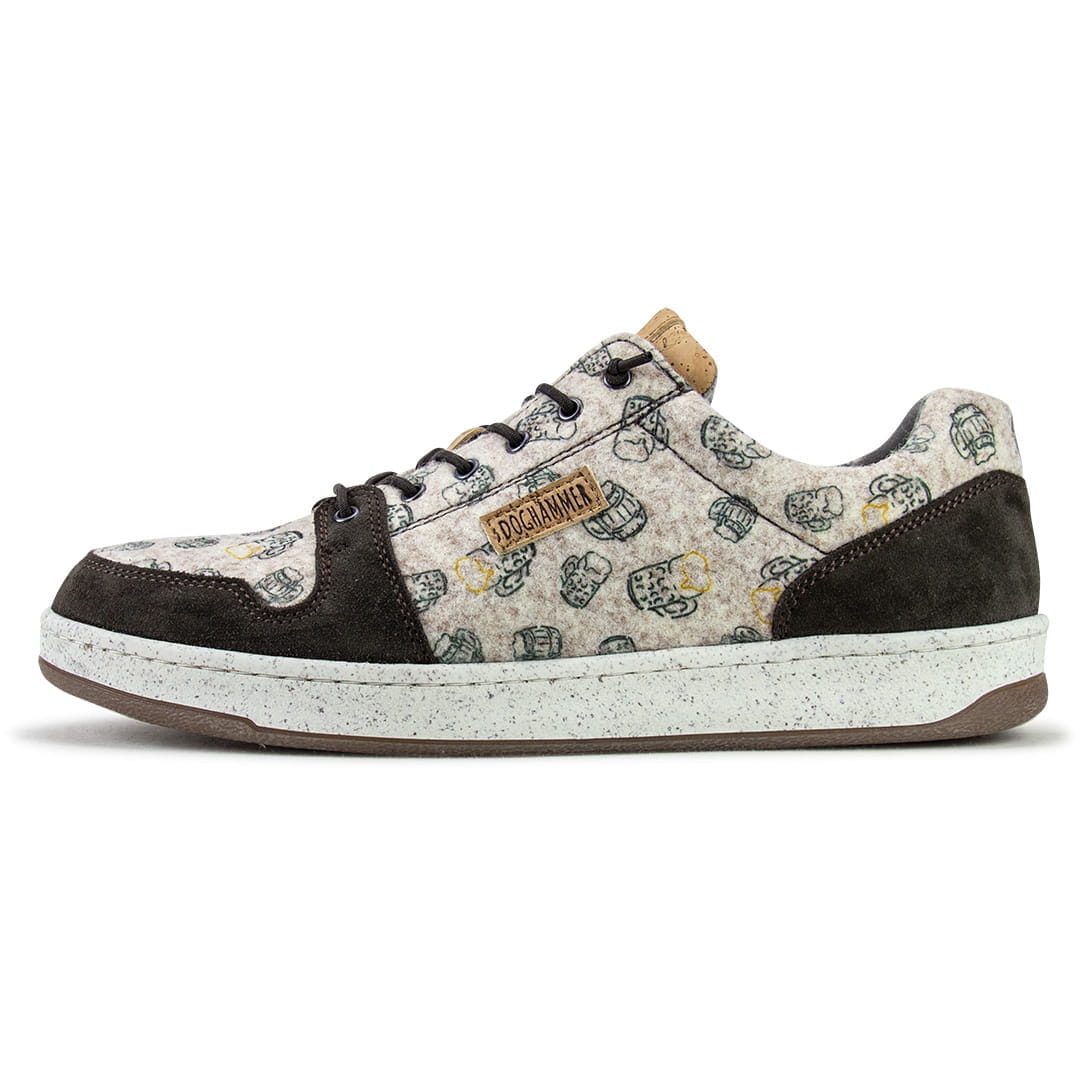
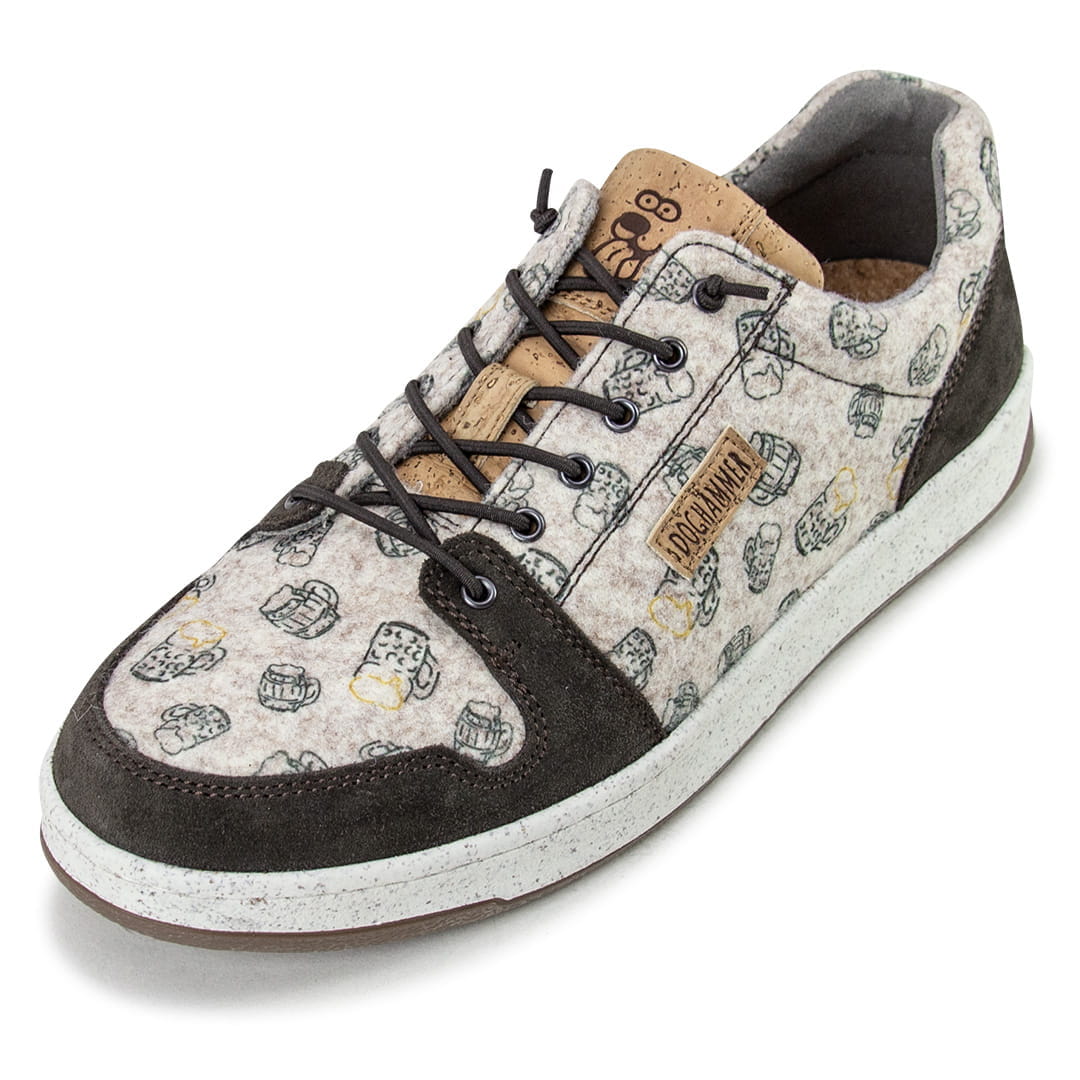
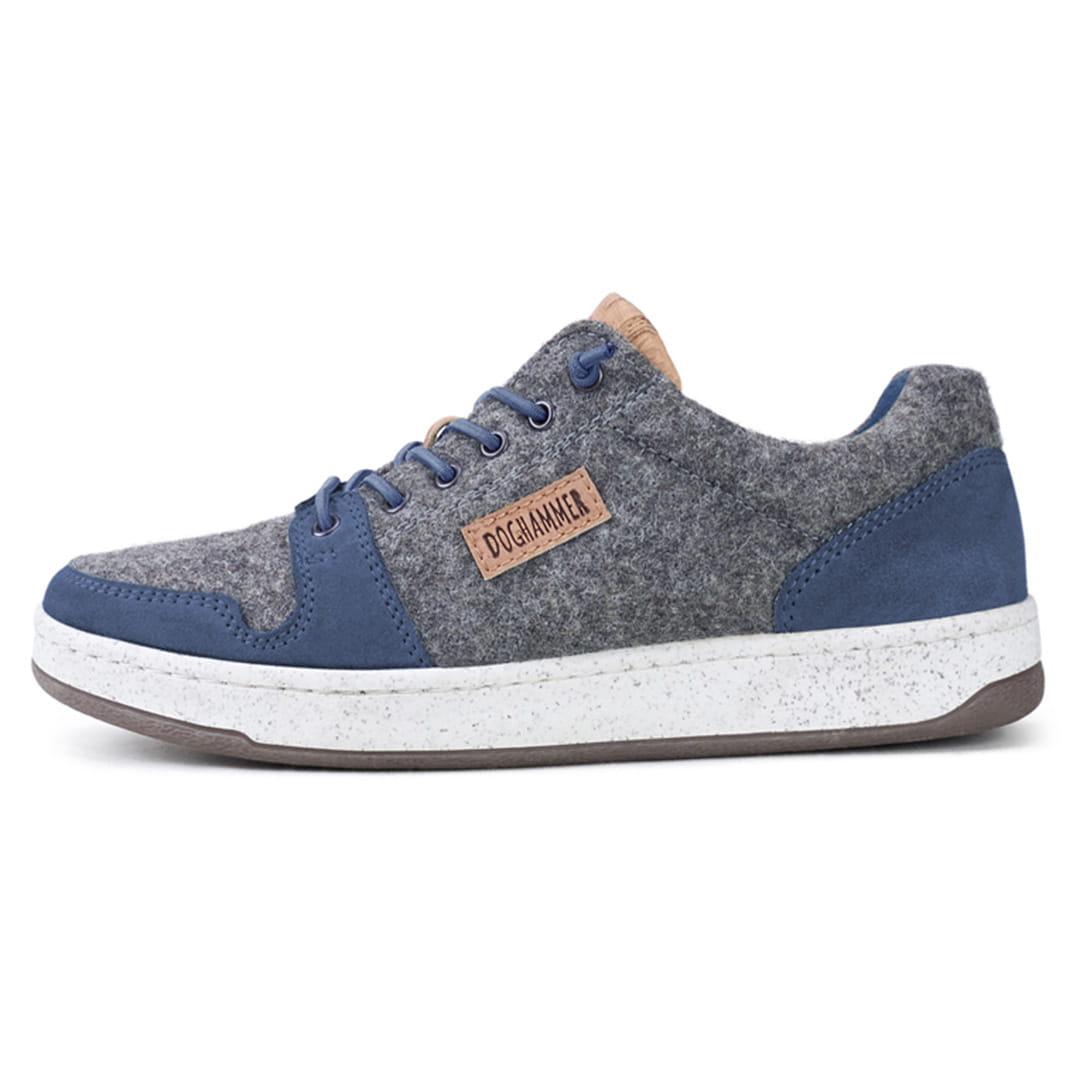
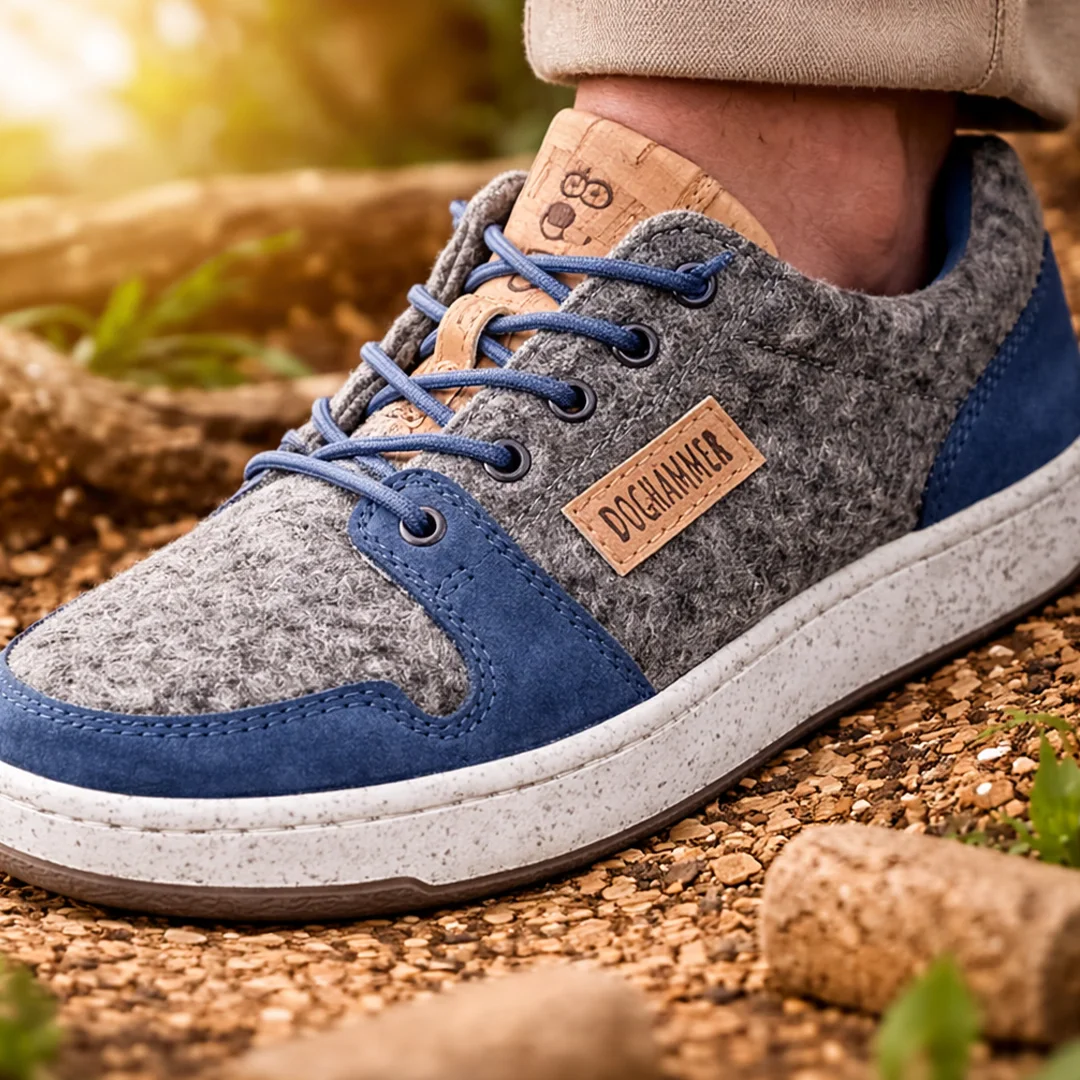
What makes our men’s merino shoes so special?
Our merino shoes for men offer a unique foot climate! We owe this to genuine sheep’s wool and its natural properties. Wool is, in fact, antibacterial, temperature-regulating and moisture-repellent. What does this actually mean in practice for your merino shoes? A major advantage is the water-repellent property, which keeps your feet dry even in damp weather. Of course, you can’t compare this to a hiking boot with a membrane, but a light rain or slush won’t bother the shoes. Another plus point for woollen shoes is that they don’t develop any unpleasant odours. This is down to the antibacterial properties of the wool. The advantages just mentioned are down to the wool grease (also known as lanolin), which acts like a protective film around the wool fibres and prevents the absorption of water or bacteria.

What type of wool is used for the men’s merino shoes?
We use a variety of wool types for our men’s merino shoes: as well as merino wool, we also use felt made from recycled wool and loden made from Pomeranian land sheep from northern Germany. Experience over recent years has shown us that not every type of wool is suitable for making shoes. For this reason, we use merino wool exclusively as a lining material in our Wool Commuter. For our Local Wool Commuter range, on the other hand, we use loden from Nordwolle. Due to the harsher climatic conditions, the wool from this breed of sheep is slightly firmer and more robust, which has a positive effect on the durability and resilience of our men’s woollen shoes. Even though merino is currently ‘on everyone’s lips’, we recommend the trainers made from loden wool from the North German sheep breed.

What is the best way to clean men’s merino shoes?
First of all, you should know that wool is self-cleaning thanks to its natural wool grease (lanolin). This applies provided that undyed wool was used to make the men’s merino shoes. In the case of dyed wool, the wool is first washed so that it can be re-dyed. During this process, the natural oils are washed out of the wool fibres, causing them to lose their natural properties. Back to cleaning your merino shoes: if you still wish to remove any dirt, we always recommend using lukewarm water and a soft cloth to wipe away the grime. Please do not treat the wool with standard shoe polish, as this will cause the wool fibres to clump together and become ‘greasy’. We recommend a special cleaning and care product for woollen items. This care tip naturally also applies to our other woollen shoes.
Where are the men’s merino shoes made?
Transparency is a key pillar of our company philosophy! For this reason, all Doghammer shoes are handcrafted in a family-run shoe workshop in Portugal – including the men’s merino shoes. A QR code on the shoe gives you in-depth insights into our suppliers, manufacturing processes and the origin of our raw materials. For example, it takes a seamstress in production a good half an hour to sew and finish all the individual parts of a Wool Commuter. By comparison, it takes as long as three-quarters of an hour to sew the upper of a walking boot.