Materials & packaging for barefoot shoes, trainers and the like.

Our materials: Natural. Well thought-out. Purposeful.
Whether it’s cork from Portugal, wool from Germany or recycled climbing ropes from the Alps – at Doghammer, every material is the result of a conscious decision. We prioritise renewable raw materials, European supply chains and innovative upcycling ideas. After all, the materials we use help determine our environmental footprint. We also pay attention to every detail when it comes to our packaging – from recycled kraft cardboard to minimal printing in black ink. For us, sustainability doesn’t end with the finished shoe; it begins with the selection of the right materials.
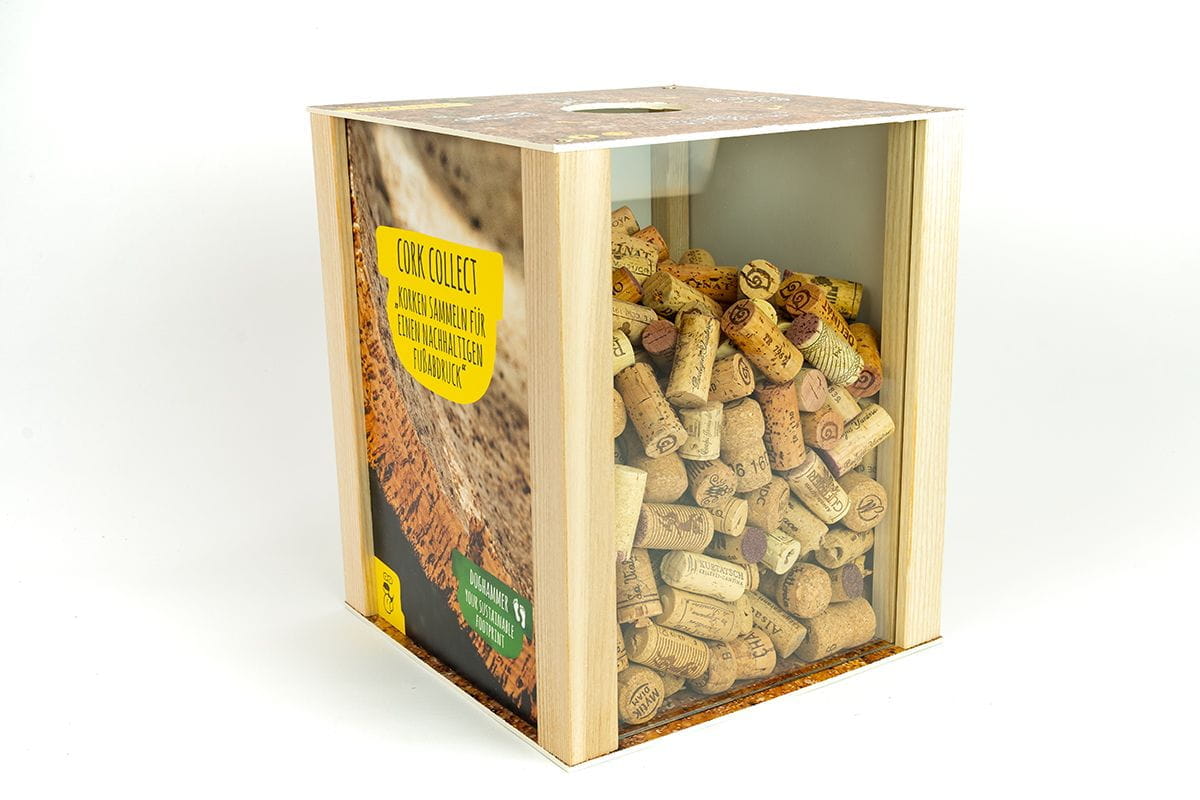
Our Cork Collect Challenge shows how the circular economy works on a small scale – and how you can get involved. You can find even more information about our barefoot shoes here.

recycled cork
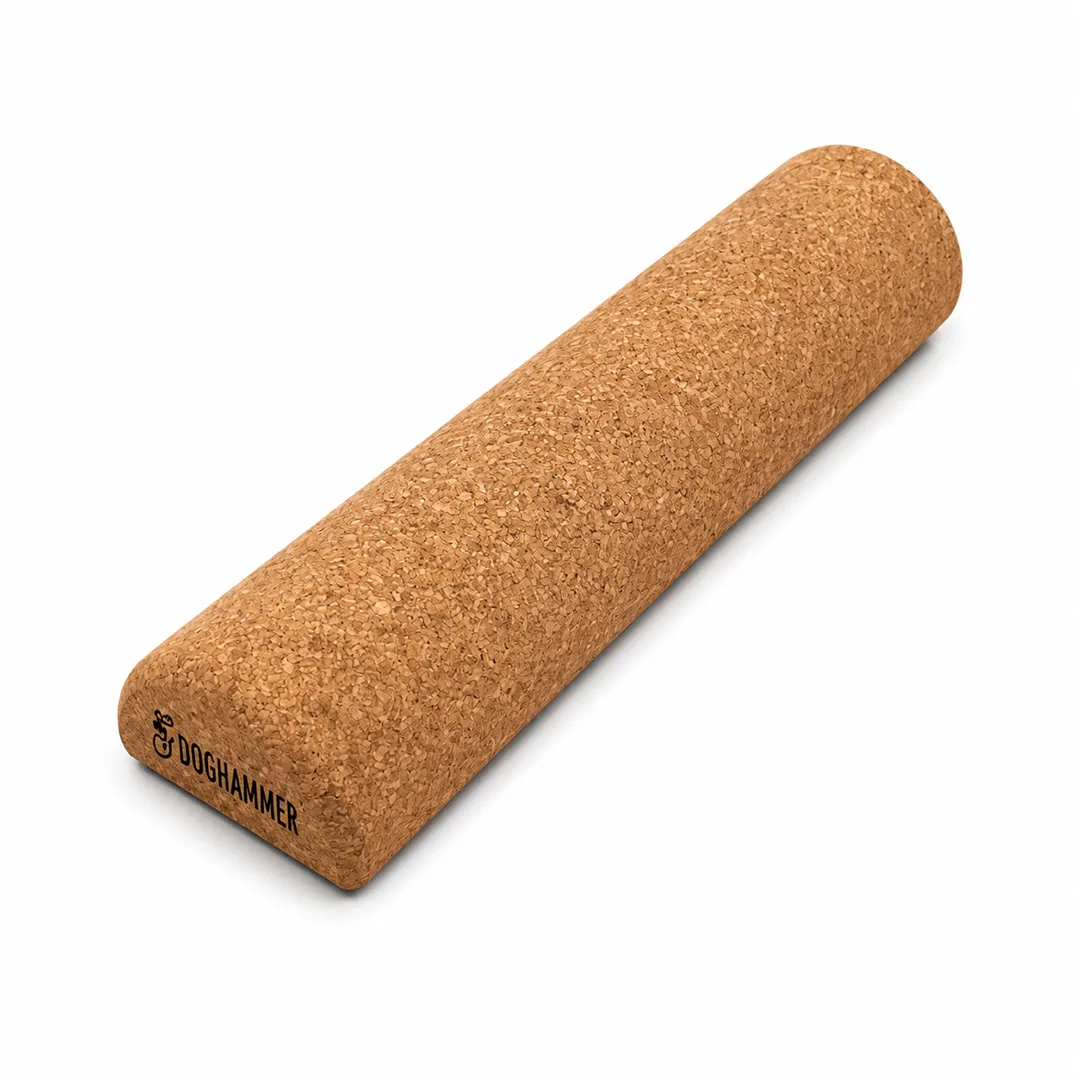
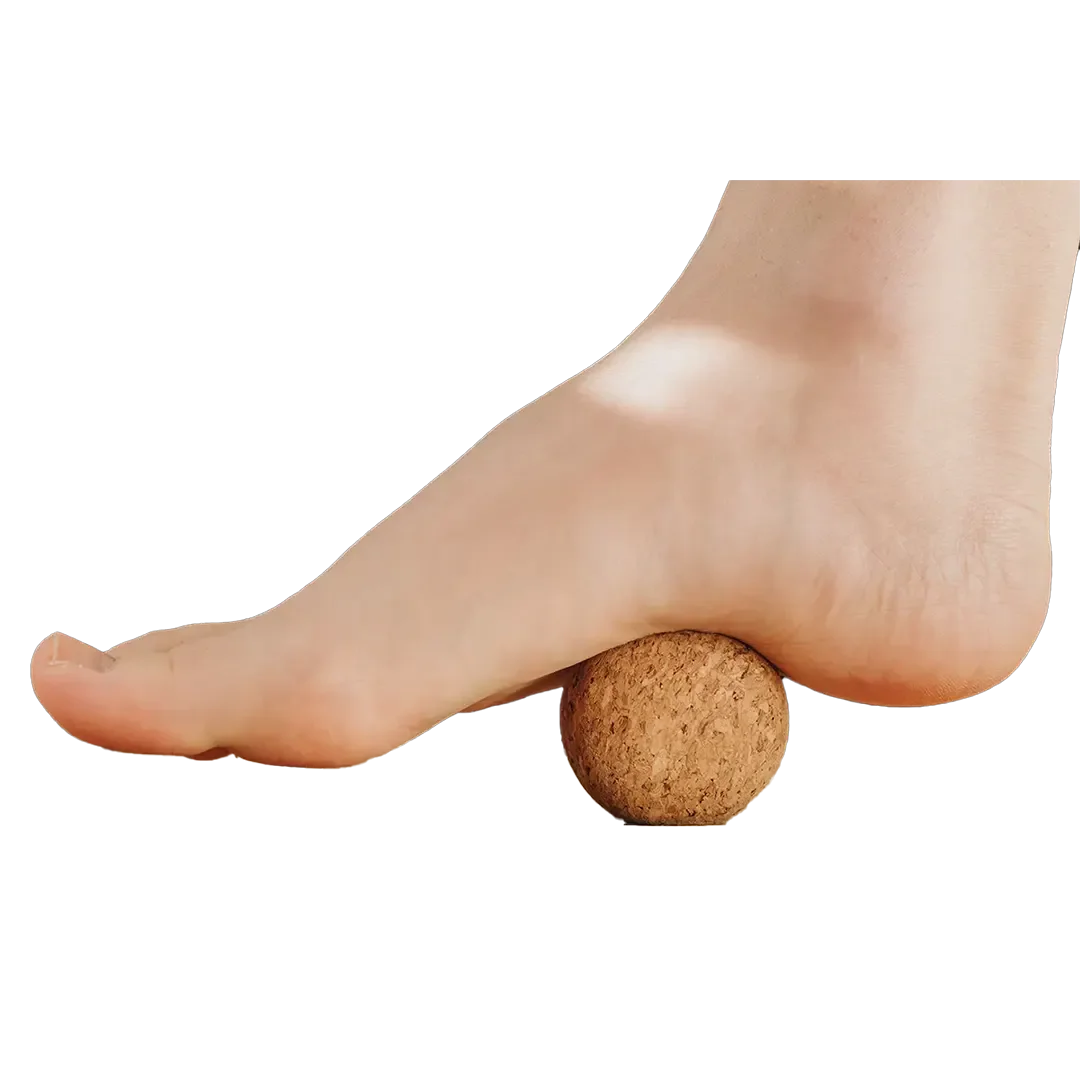
Our cork comes from the cork oak forests of Portugal – and partly also from our Cork Collect Challenge, in which old wine corks are collected and reused. Cork is not only a renewable raw material, but is also antibacterial, temperature-regulating and water-repellent. These natural properties make it the ideal material for the footbeds, uppers and soles of our sustainable shoes and barefoot shoes.


wool – genuine loden
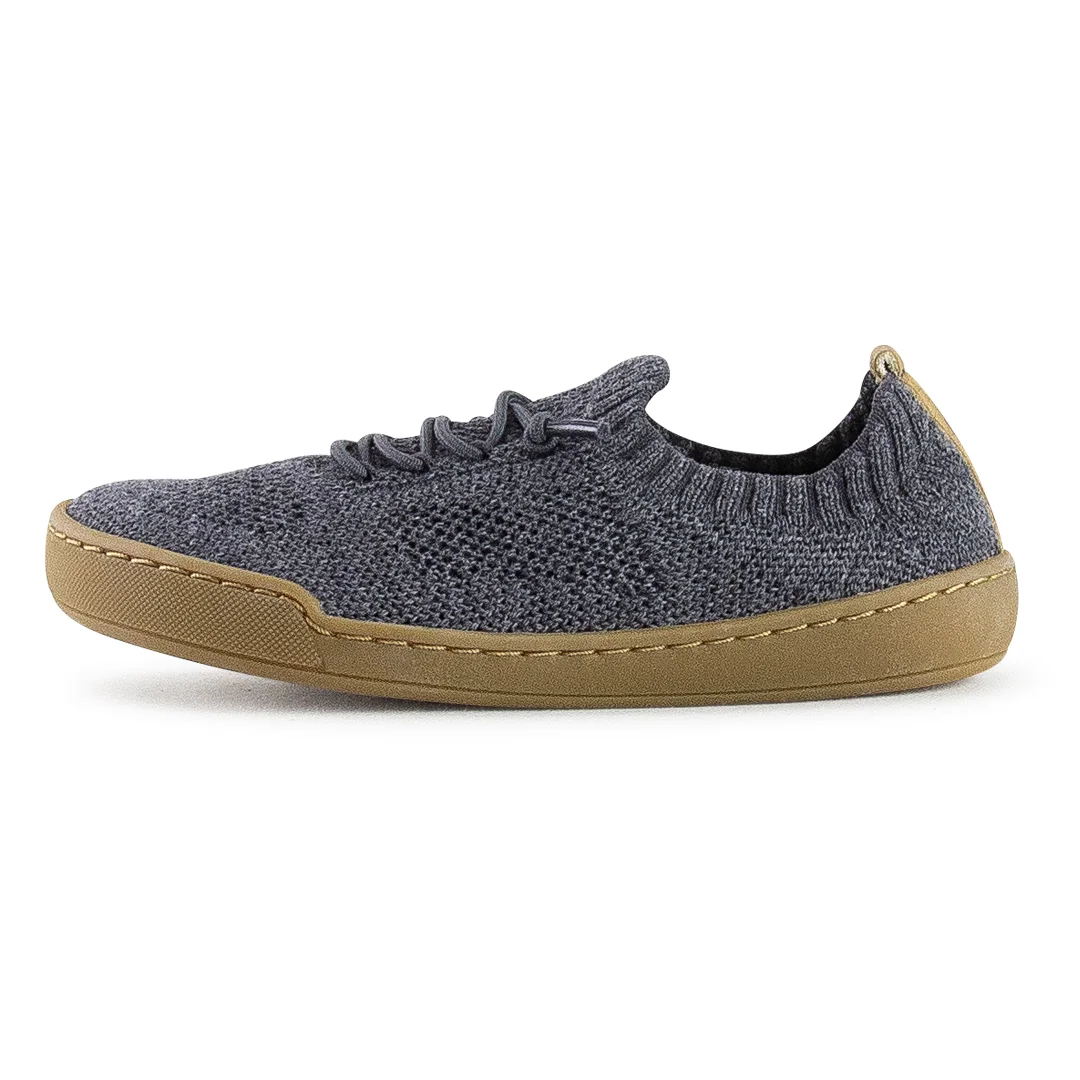
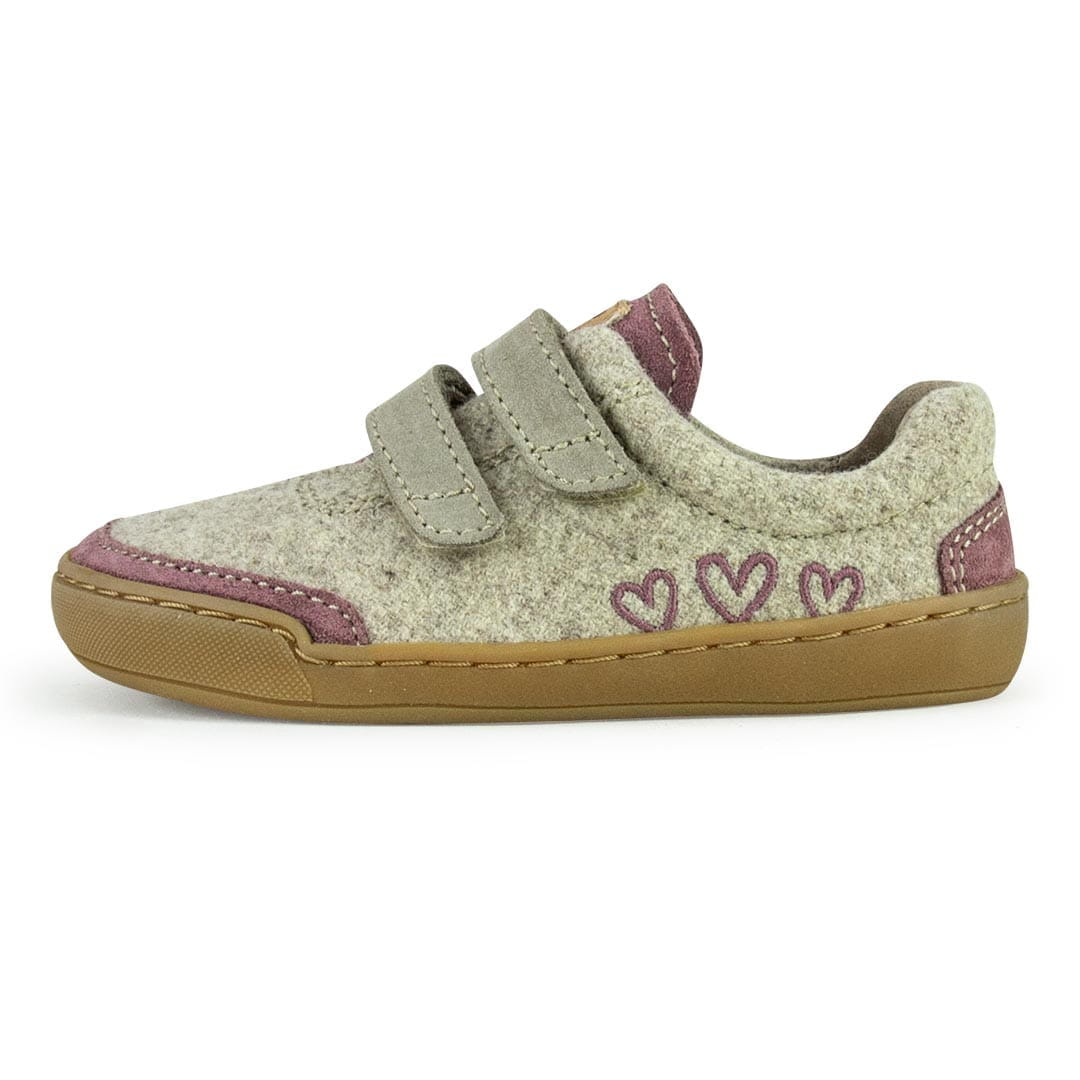
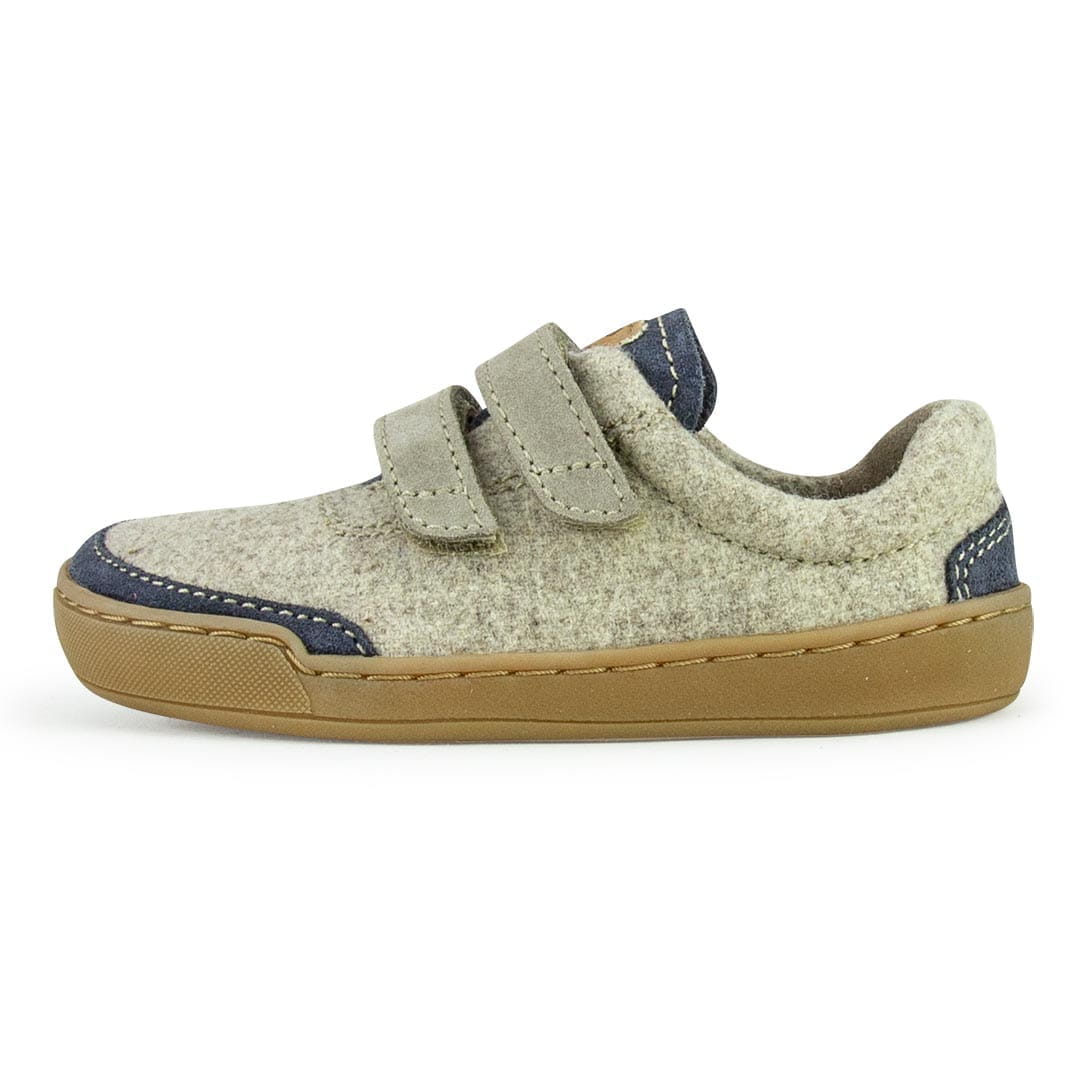
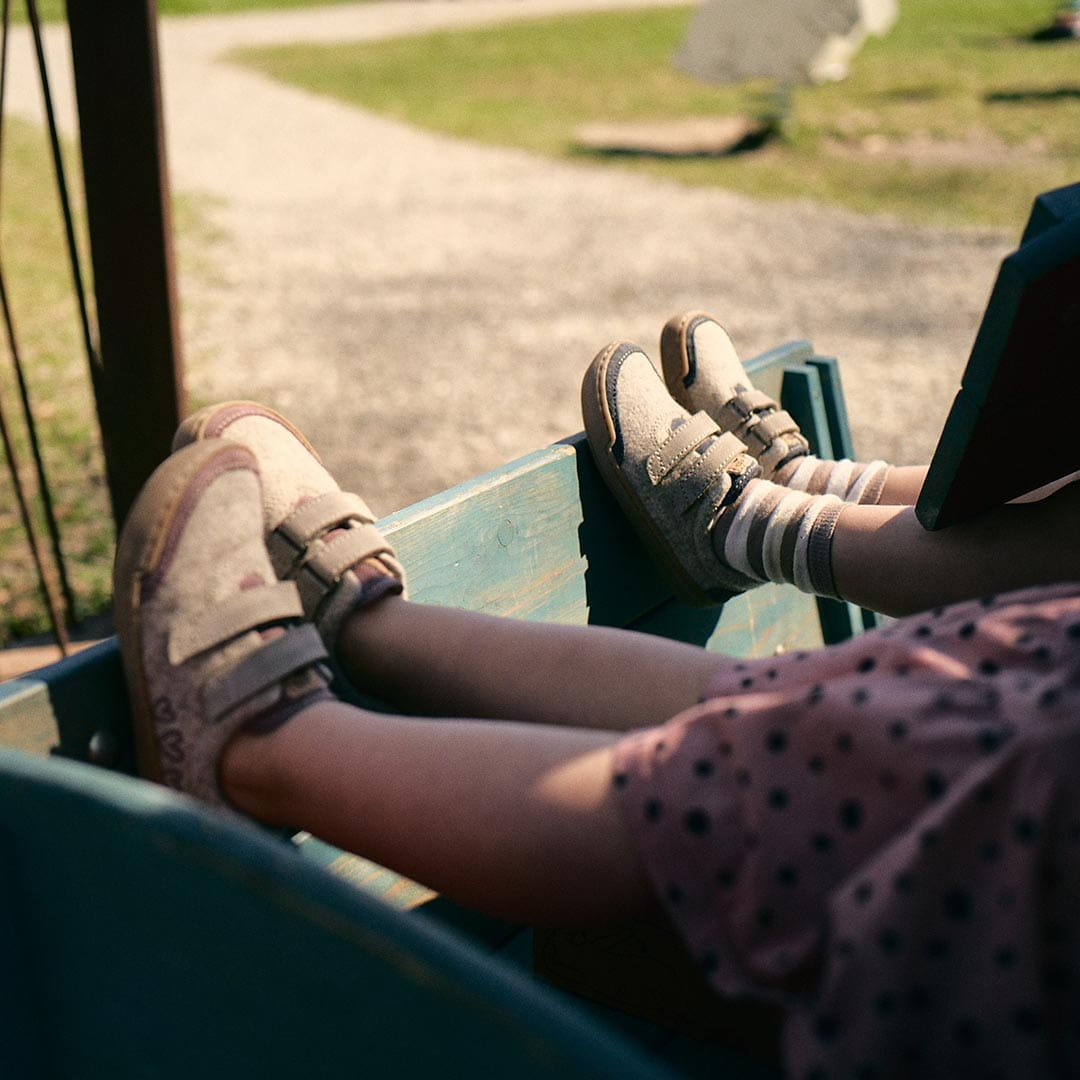
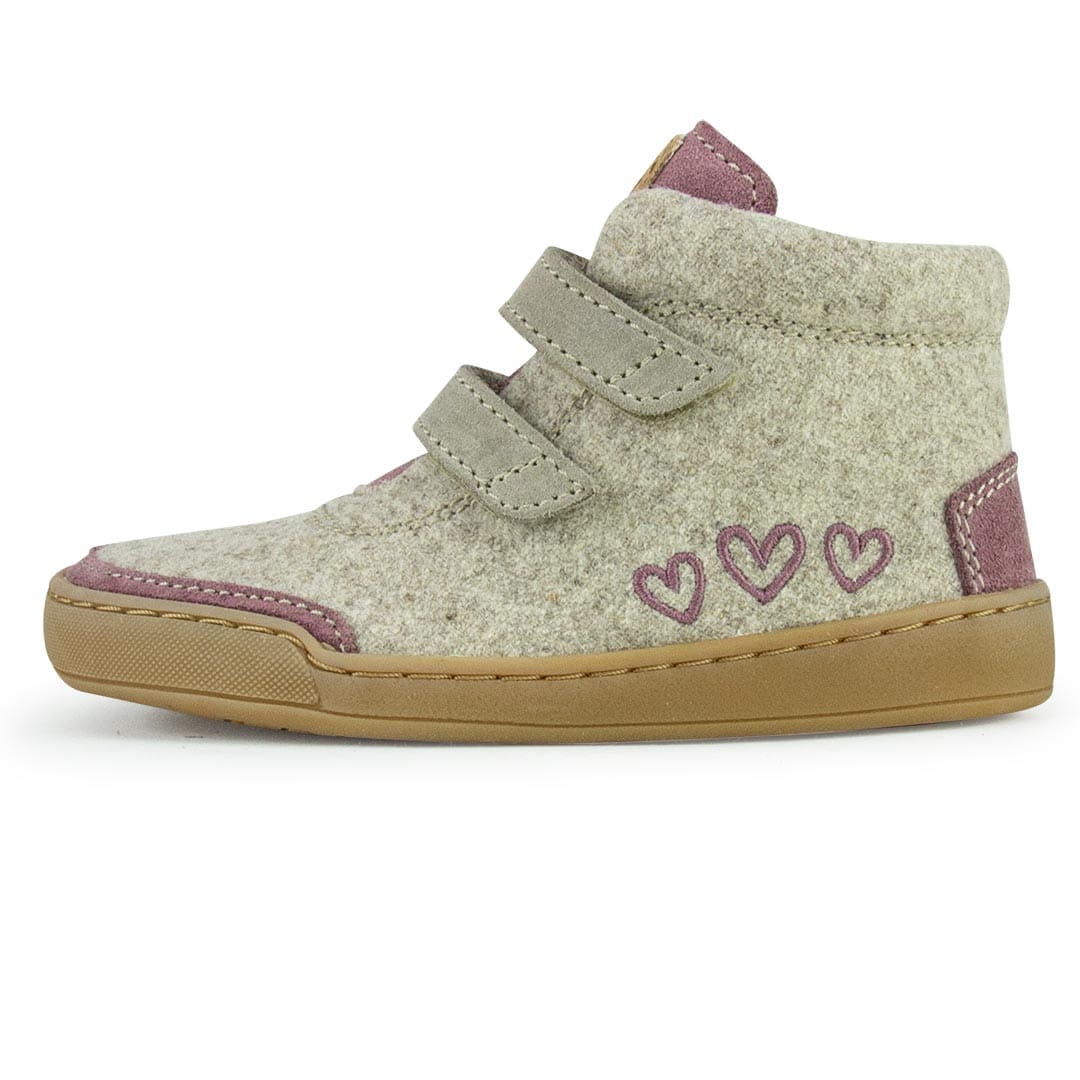
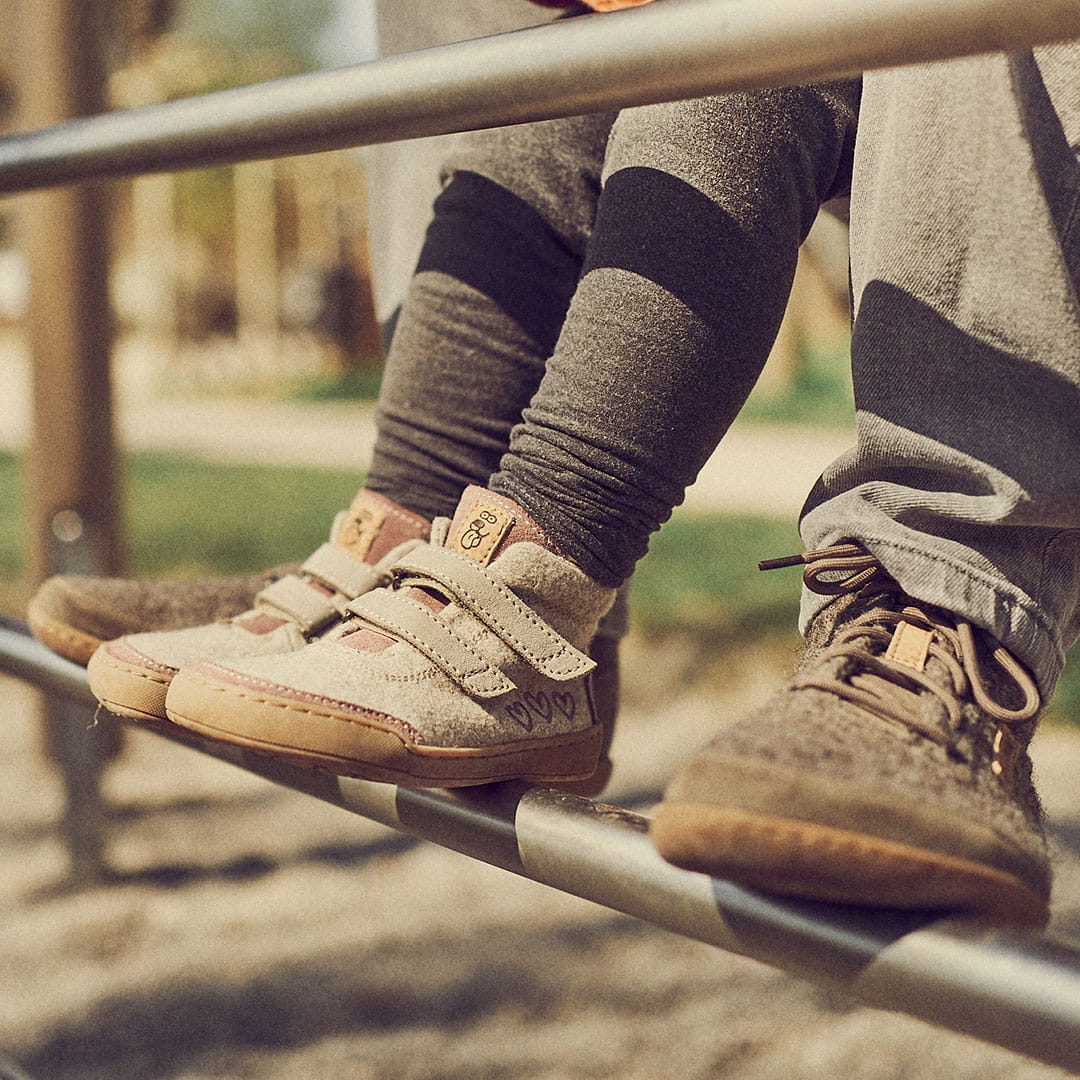
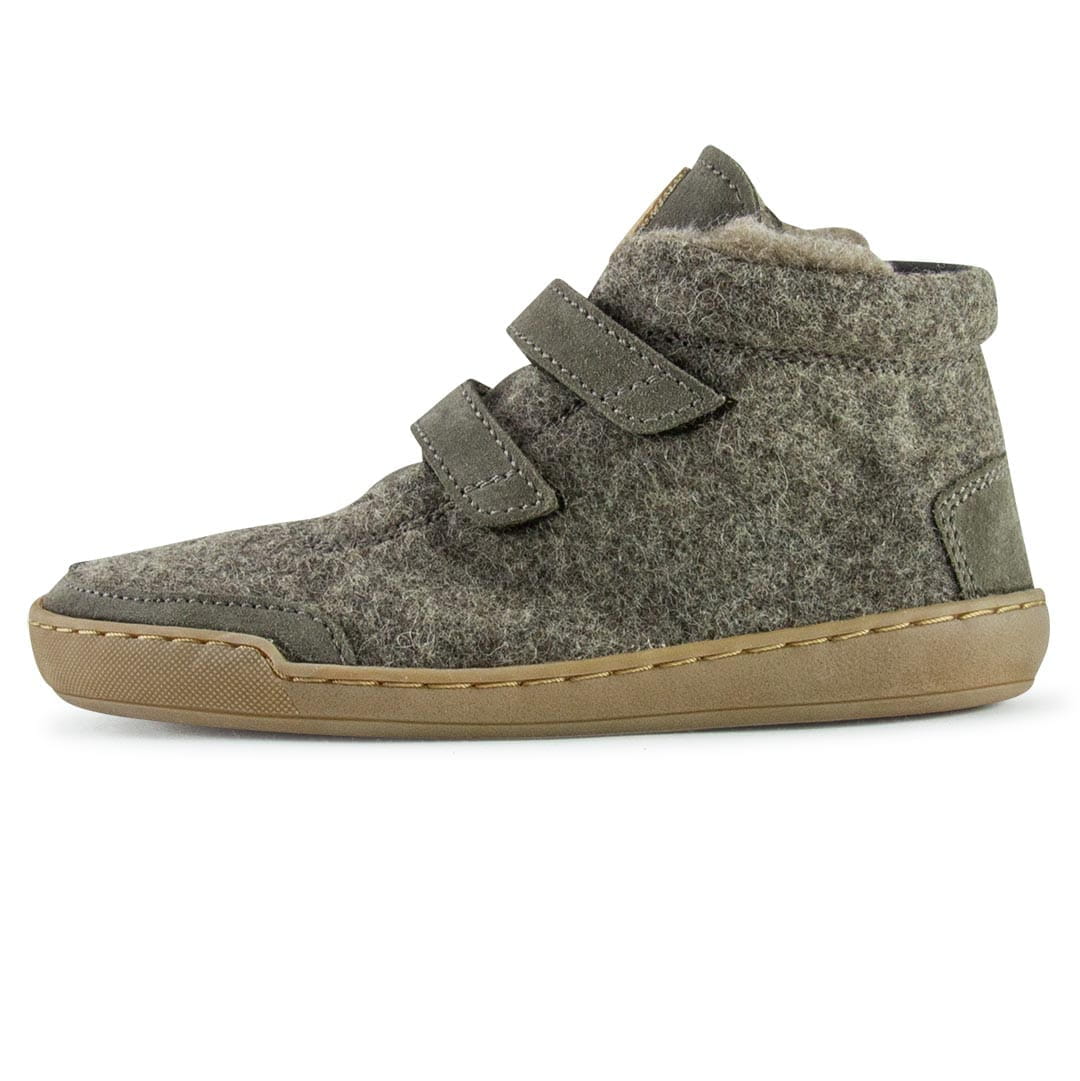
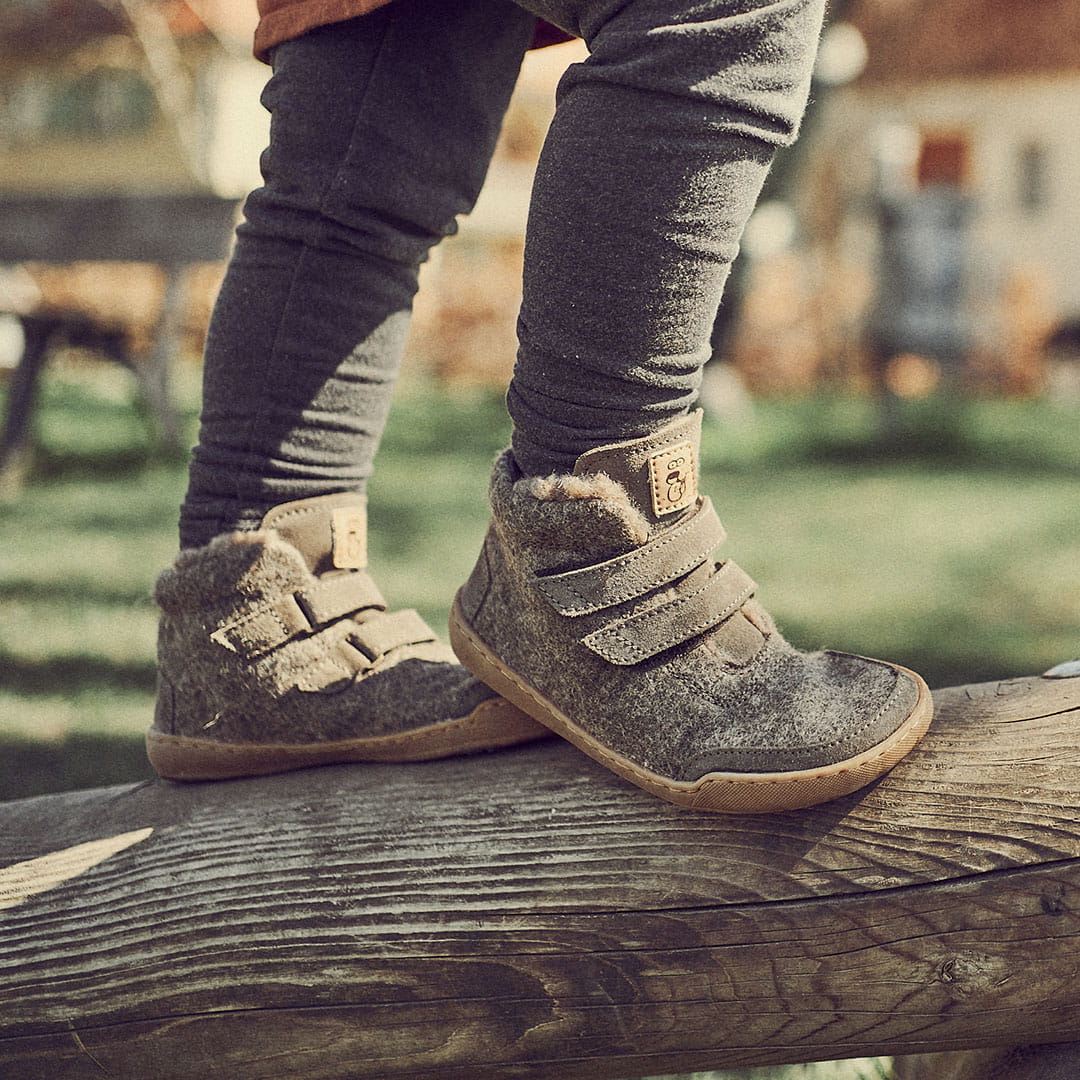
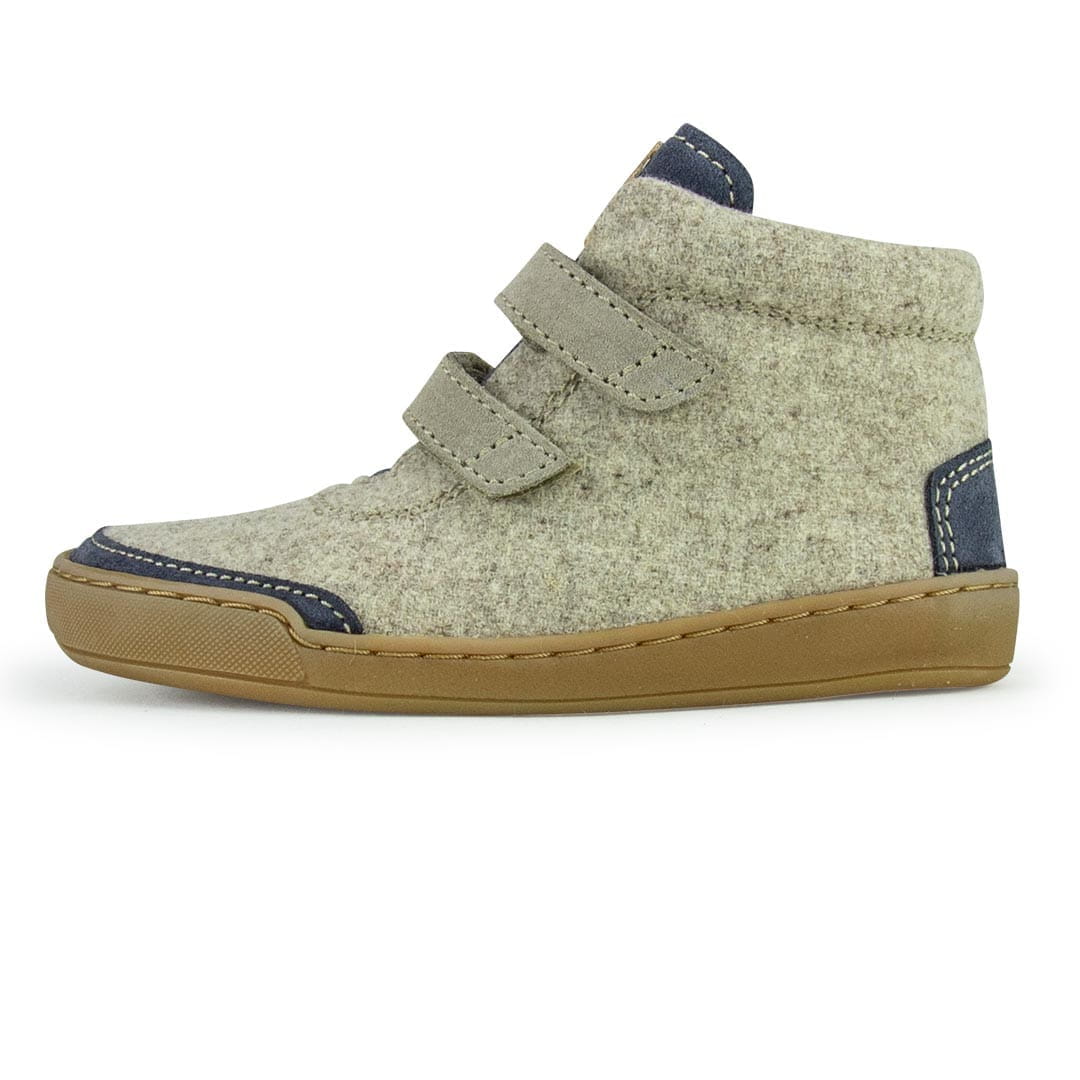
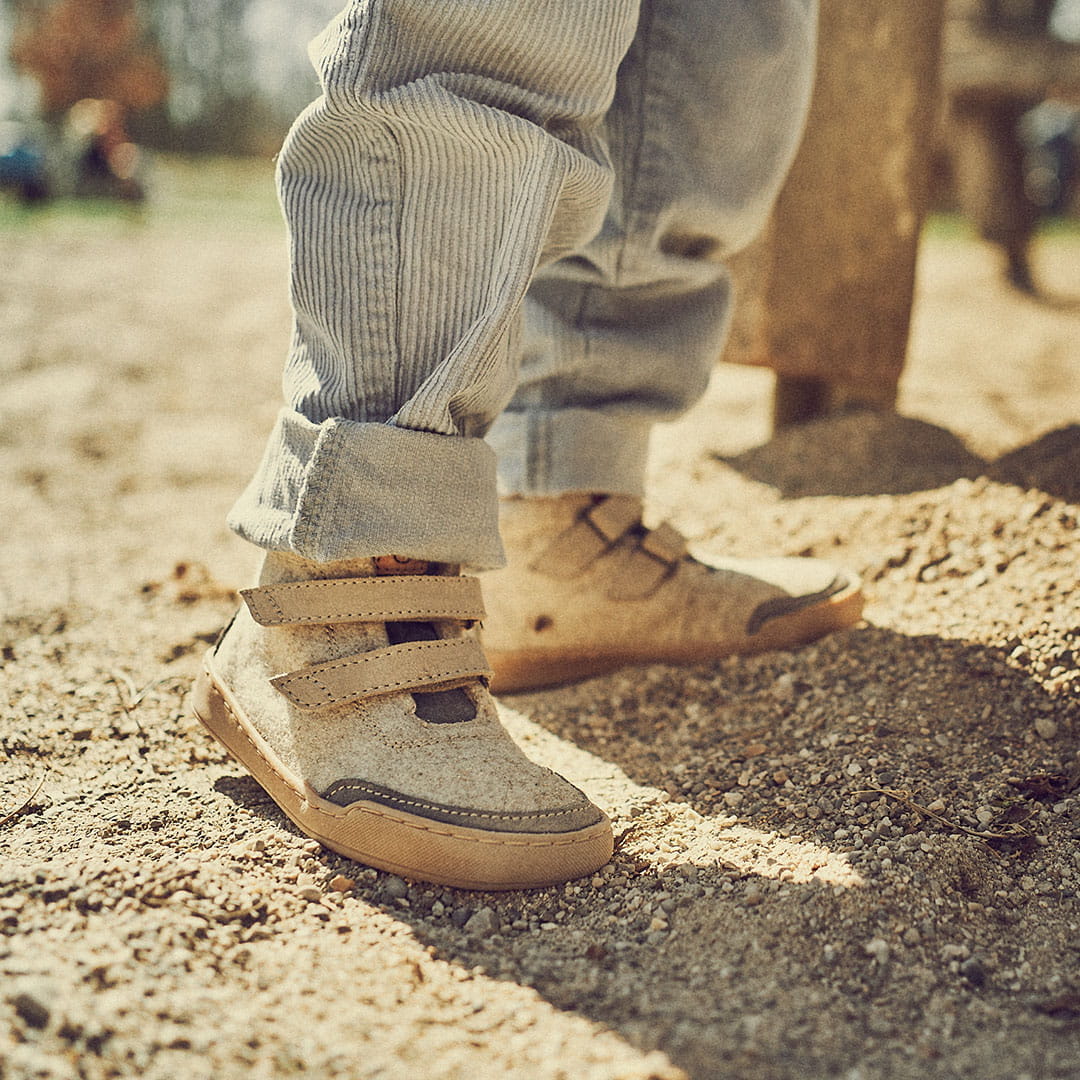
We source our wool exclusively from Europe – from sheep in Germany, Switzerland and Portugal. Nordwolle is one of our key wool suppliers. We also rely on our own mountain loden made from Alpine stone sheep from the Bavarian Alps. Wool impresses with its temperature-regulating, self-cleaning and moisture-repellent properties. That’s why we use it not only for our barefoot and hut shoes, but also for trainers, Chelsea boots and hiking boots with a woollen lining, where our Cork & Wool Inside technology ensures the best possible foot climate.


European leather
Our leather comes from Portugal, Spain or Italy – exclusively from tanneries that operate in accordance with the standards of the Leather Working Group (LWG). This means: strictly monitored environmental requirements, transparent processes and production that conserves resources as much as possible. Furthermore, our leather is a by-product of the meat industry that would otherwise go to waste. It is particularly durable, robust and, at the same time, breathable. That is why we use it specifically in areas subject to heavy wear – such as the toe and heel caps of our shoes.


Upcycled materials
For our upcycled designs, we use industrial materials to which we give a new lease of life. These include, amongst other things, offcuts from the production of ski climbing skins by Contour and POMOCA, used climbing ropes in collaboration with Newseed, ski base layers from ORTOVOX, and old glasses straps from SCOTT. What would otherwise end up as rubbish is transformed by us into a new, functional and sustainable shoe. In this way, we avoid waste and send a clear message in favour of greater resource conservation in the outdoor sector.


Sustainably packaged barefoot shoes, trainers and more.
Our shoe boxes are made from recycled kraft cardboard and are deliberately printed in plain black only – this saves printing ink and conserves resources. The boxes are manufactured not far from our shoe factory in Portugal and are designed so that you can reuse them at home. We also prioritise sustainability when it comes to shipping: we avoid unnecessary outer packaging and do not use any plastic. This ensures that even our packaging aligns with our holistic approach.
Why working with an organisation for people with disabilities is so important to us
Ever since Doghammer was founded, we have been working with a centre for people with disabilities. For us, this partnership is not just a marketing ploy, but a completely natural part of our day-to-day work.
In the beginning, our bespoke flip-flops were made there. Today, the staff take on many more tasks: they sew the straps for our bespoke flip-flops, carry out various upcycling projects and work with us to manage our warehouse and dispatch.
We are often asked whether this sort of collaboration amounts to exploitation. Our experience shows the opposite to be true. The people there take on tasks that suit their abilities and work in an environment with clear structures and established processes. It is precisely this structure that is important to many of our staff.
Anyone who wishes to is welcome to come and see for themselves. We’re always delighted to have people take a look behind the scenes.
The question of pay also comes up regularly. Special legal regulations apply in such organisations. If wages were to be significantly increased, state support payments for the staff could be reduced. That is why the system is deliberately structured differently from that of traditional companies.
For us, one thing is paramount: a long-term, respectful partnership on an equal footing.